Israel’s ‘Whitewash’ of Australian Aid Worker’s Death Sparks Fury: Canberra Vows to Fight for Justice
- Australian government slams Israeli investigation into the death of aid worker Zomi Frankcom as a ‘so-called’ report with ‘nothing to see here’
- Prime Minister Anthony Albanese vows to press for an independent review and demands a ‘far more transparent and clear explanation’ from Israel
- Frankcom’s family labels the findings a ‘miscarriage of justice’ and an ‘insult to her legacy’ as Israel refuses to release audio from the drone strikes that killed her
- Calls grow for Israeli ambassador to be expelled from Australia and for sanctions to be placed on Israel over its handling of the investigation
The Australian government has unleashed a scathing attack on Israel’s investigation into the death of aid worker Zomi Frankcom, labelling it a ‘whitewash’ that fails to deliver justice for the slain humanitarian.
Frankcom was killed in an attack on an aid convoy in the Gaza Strip in April 2024, and the Israeli military’s findings that there was no suspicion of criminal misconduct have been met with outrage in Canberra.
Prime Minister Anthony Albanese has vowed to press for an independent review into the attack, saying that Australia deserves better than the ‘so-called’ report delivered by Israel.
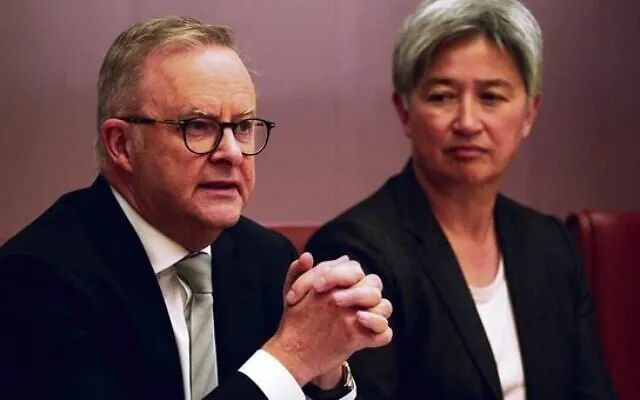
‘There’s a need for a far more transparent and clear explanation from the Israeli government,’ he told ABC’s 7.30 program. Albanese has promised to work with Frankcom’s family to call for a more thorough investigation, saying that they deserve to be consulted on the matter.
Frankcom’s family has labelled the findings a ‘miscarriage of justice’ and an ‘insult to her legacy’, and has demanded that Israel release audio from the drone strikes that killed her.
The Israeli government has so far refused to release the footage, sparking further anger and frustration among those seeking justice for Frankcom.
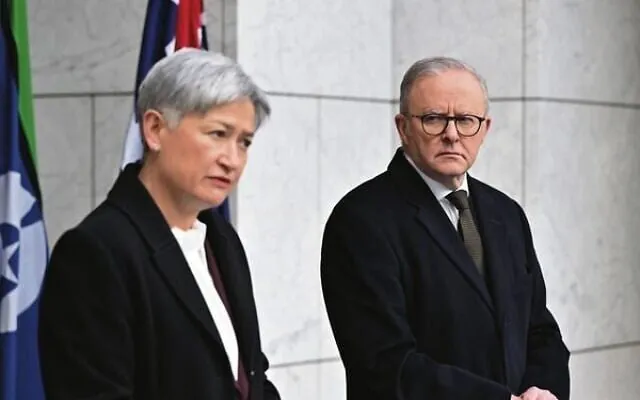
The incident has sparked a diplomatic row between Australia and Israel, with Foreign Affairs Minister Penny Wong condemning the actions of Israel and saying they fell short of the accountability Australia expected.
Israeli ambassador Hillel Newman was summoned to Parliament House by Senator Wong on Thursday morning to explain the outcome of the two-year investigation.
As tensions between the two countries escalate, calls are growing for Dr Newman to be expelled from Australia over his refusal to apologise for Frankcom’s death.
Pro-Palestine advocates, including Greens Senator Mehreen Faruqi and the Jewish Council of Australia, are also demanding sanctions be placed on Israel over its handling of the investigation.
Analysis: What This Means for AustraliaThe fallout from Frankcom’s death has significant implications for Australia’s diplomatic relations with Israel and its stance on human rights in the Middle East.
The Australian government’s strong response to the Israeli investigation suggests that it is willing to take a tougher stance on human rights abuses in the region, even if it means straining relations with a key ally.
However, the incident also highlights the challenges of navigating complex geopolitical relationships in the Middle East.
Senator Wong has maintained that ties with Israel are important for advancing Australia’s diplomatic interests, and the government will need to balance its desire for justice for Frankcom with the need to maintain a constructive relationship with Israel.
Security analysts say that the incident also raises concerns about the safety of Australian aid workers in conflict zones, and the need for greater accountability from governments and military forces involved in these regions.
‘The death of Zomi Frankcom is a tragic reminder of the risks faced by aid workers in conflict zones,’ said one analyst.
‘The Australian government’s response to this incident will be closely watched by aid agencies and human rights groups, who will be seeking assurances that the government is taking concrete steps to protect its citizens and promote accountability for human rights abuses.’
Industry observers believe that the incident could also have economic implications for Australia, particularly in terms of trade and investment with Israel.
‘The Australian government’s stance on human rights in the Middle East could impact its trade relationships with countries in the region,’ said one observer.
‘If Australia is seen as a champion of human rights, it could attract investment and trade from like-minded countries, but it could also face backlash from countries that view its stance as overly critical.’
The Australian government has unleashed a scathing attack on Israel’s investigation into the death of aid worker Zomi Frankcom, labelling it a ‘whitewash’ that fails to deliver justice for the slain humanitarian. Frankcom was killed in an attack on an aid convoy in the Gaza Strip in April 2024, and the Israeli military’s findings that there was no suspicion of criminal misconduct have been met with outrage in Canberra.
Prime Minister Anthony Albanese has vowed to press for an independent review into the attack, saying that Australia deserves better than the ‘so-called’ report delivered by Israel. ‘There’s a need for a far more transparent and clear explanation from the Israeli government,’ he told ABC’s 7.30 program. Albanese has promised to work with Frankcom’s family to call for a more thorough investigation, saying that they deserve to be consulted on the matter.
Frankcom’s family has labelled the findings a ‘miscarriage of justice’ and an ‘insult to her legacy’, and has demanded that Israel release audio from the drone strikes that killed her. The Israeli government has so far refused to release the footage, sparking further anger and frustration among those seeking justice for Frankcom.
The incident has sparked a diplomatic row between Australia and Israel, with Foreign Affairs Minister Penny Wong condemning the actions of Israel and saying they fell short of the accountability Australia expected. Israeli ambassador Hillel Newman was summoned to Parliament House by Senator Wong on Thursday morning to explain the outcome of the two-year investigation.
As tensions between the two countries escalate, calls are growing for Dr Newman to be expelled from Australia over his refusal to apologise for Frankcom’s death. Pro-Palestine advocates, including Greens Senator Mehreen Faruqi and the Jewish Council of Australia, are also demanding sanctions be placed on Israel over its handling of the investigation.
The fallout from Frankcom’s death has significant implications for Australia’s diplomatic relations with Israel and its stance on human rights in the Middle East. The Australian government’s strong response to the Israeli investigation suggests that it is willing to take a tougher stance on human rights abuses in the region, even if it means straining relations with a key ally.
However, the incident also highlights the challenges of navigating complex geopolitical relationships in the Middle East. Senator Wong has maintained that ties with Israel are important for advancing Australia’s diplomatic interests, and the government will need to balance its desire for justice for Frankcom with the need to maintain a constructive relationship with Israel.
Security analysts say that the incident also raises concerns about the safety of Australian aid workers in conflict zones, and the need for greater accountability from governments and military forces involved in these regions. ‘The death of Zomi Frankcom is a tragic reminder of the risks faced by aid workers in conflict zones,’ said one analyst. ‘The Australian government’s response to this incident will be closely watched by aid agencies and human rights groups, who will be seeking assurances that the government is taking concrete steps to protect its citizens and promote accountability for human rights abuses.’
Industry observers believe that the incident could also have economic implications for Australia, particularly in terms of trade and investment with Israel. ‘The Australian government’s stance on human rights in the Middle East could impact its trade relationships with countries in the region,’ said one observer. ‘If Australia is seen as a champion of human rights, it could attract investment and trade from like-minded countries, but it could also face backlash from countries that view its stance as overly critical.’