Australia’s $80 Billion Shadow Economy Exposed: Melbourne Restaurants and Cafes Under Fire in ATO Crackdown
- More than two dozen Melbourne restaurants, cafes, and fast food outlets have been raided by the ATO in a bid to disrupt the country’s massive shadow economy
- The surprise visits come after a flood of community tip-offs about cash-in-hand payments, dodgy record keeping, and missed super entitlements in the hospitality industry
- The ATO’s crackdown is part of a larger effort to tackle the estimated $80 billion shadow economy, which has doubled in size over the past decade
- Thousands of reports have been made about off-the-books activity in the hospitality industry, with takeaway businesses, cafes, and restaurants among the most common culprits
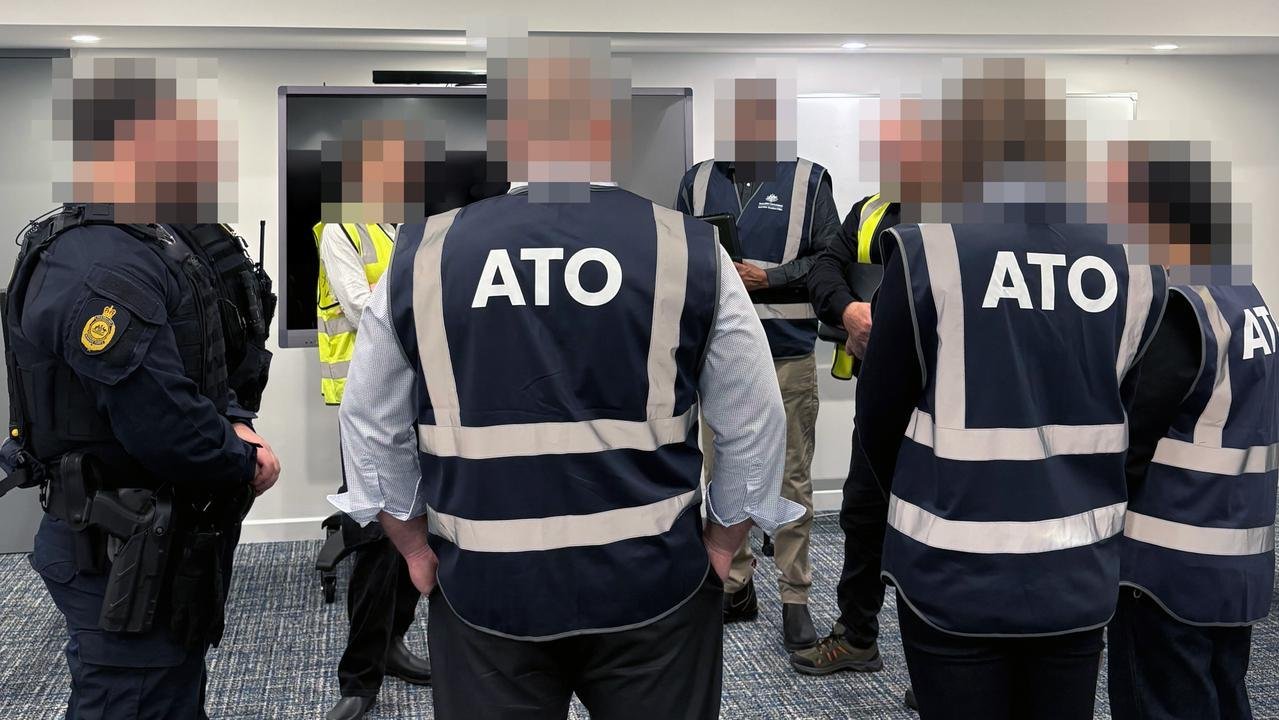
In a shocking move, the Australian Taxation Office (ATO) has launched a series of surprise raids on restaurants, cafes, and fast food outlets in Melbourne’s CBD, as part of its ongoing battle to disrupt the country’s massive shadow economy.
The raids, which took place on Tuesday and Wednesday, targeted 25 hospitality businesses, following a string of community tip-offs about cash-in-hand payments, issues with record keeping, and missed super entitlements.
The ATO’s assistant commissioner, Tony Goding, warned that the tax office is on the lookout for businesses that appear to be doing well, but whose books tell a different story.

The ATO’s investigation is just the latest salvo in the war against the shadow economy, which is estimated to have grown to a staggering $80 billion in 2025.
The shadow economy refers to economic activity that is not reported and taxed, and it’s a problem that’s been getting worse over the past decade.




In the 2025-26 financial year, there were over 2500 reports about off-the-books activity in the hospitality industry, with takeaway businesses, cafes, and restaurants among the most common culprits.
Nationally, there were over 52,000 tip-offs about individuals and businesses evading their fair share of tax, employers not paying their employees’ super, and other shadow economy activities.
So, why is the shadow economy such a big problem? The answer lies in the fact that it’s a major drain on the economy, depriving the government of much-needed revenue.
It’s also unfair to honest businesses and individuals who do the right thing and pay their taxes.
The ATO is working hard to tackle the problem, using a combination of data analysis, intelligence gathering, and good old-fashioned detective work to track down businesses that are operating in the shadows.
The tax office is also working closely with other agencies, including the Shadow Economy Taskforce, to share information and coordinate efforts.
Analysis: What This Means for Australia is that the country is facing a major challenge in terms of tax evasion and non-compliance.
The shadow economy is a significant problem that affects not just the government’s bottom line, but also the broader economy and society. It’s a problem that requires a coordinated effort to tackle, involving not just the ATO, but also other agencies, businesses, and individuals.
Security analysts say that the shadow economy is a major national security risk, as it can be used to fund organized crime and terrorism.
Law enforcement insiders warn that the shadow economy is also a major contributor to social and economic inequality, as it allows some businesses and individuals to gain an unfair advantage over others.
Industry observers believe that the ATO’s crackdown on the hospitality industry is just the beginning of a larger effort to tackle the shadow economy.
They say that the tax office will need to use a combination of carrots and sticks to encourage businesses to comply with the law, including offering incentives for whistleblowers and imposing harsh penalties on those who are caught evading tax.
As Goding noted, “Aussies know when something doesn’t seem right, and they’re increasingly calling it out when they see someone trying to gain an unfair advantage by operating in the shadows.” With over 360,000 tip-offs about suspected tax evasion and other dodgy activity reported since mid-2019, it’s clear that the community is playing a vital role in helping the ATO to tackle the shadow economy.
In the past two years, the ATO has prosecuted over 350 individuals and entities for non-lodgment shadow economy activity, resulting in over $2.7 million in fines.
This is a significant step in the right direction, but it’s just the tip of the iceberg.
The ATO will need to continue to work hard to tackle the shadow economy, using all the tools at its disposal to track down businesses and individuals who are operating in the shadows.
As the country continues to grapple with the challenges of the shadow economy, one thing is clear: it will take a coordinated effort from all stakeholders to tackle this complex and entrenched problem.
By working together, we can create a fairer and more equitable society, where everyone pays their fair share of tax and contributes to the economy.
The ATO’s efforts to tackle the shadow economy are also closely tied to the issue of national security, as the shadow economy can be used to fund organized crime and terrorism.
The tax office is working closely with other agencies, including the Australian Federal Police, to share information and coordinate efforts to tackle the shadow economy.
By addressing the root causes of the shadow economy, we can also help to reduce the risk of social inequality and promote a more prosperous and stable society.
As the ATO continues to crack down on the shadow economy, it’s clear that this is a problem that will require ongoing attention and effort to solve.