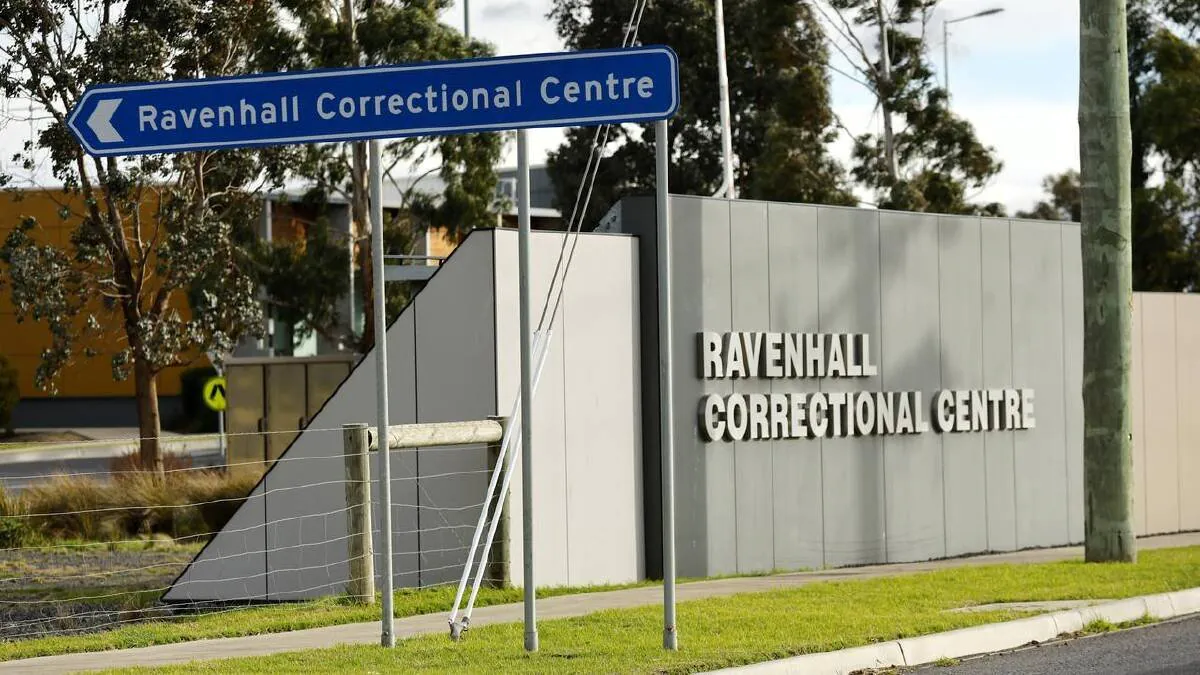
Victorian Prisoners’ Sentence Discounts Under Fire: Coalition Pledges to Axe Controversial Scheme Amid Community Outrage
- Convicted criminals in Victoria, including killers, rapists, and pedophiles, have had nearly 2300 years shaved off their prison terms due to a scheme granting sentence discounts for good behaviour during emergencies
- The coalition has pledged to abolish the scheme, labelling it a “freebie” that does not meet community expectations and is out of step with other states
- Victorian prisoners were automatically granted four days off their sentences for every day of lockdown during the COVID-19 pandemic, sparking widespread criticism and calls for reform
- The scheme has been particularly contentious in cases such as that of convicted murderer Shane Robertson, who had 14 months wiped from his sentence due to COVID-era emergency management days
The Victorian prison system has been under intense scrutiny in recent years, with many questioning the fairness and efficacy of its sentencing laws.
At the forefront of this debate is the contentious scheme granting sentence discounts to prisoners for good behaviour during emergencies, such as lockdowns and industrial disputes.
This system, unique to Victoria, has been the subject of widespread criticism, with many arguing that it does not meet community expectations and is out of step with other states.

According to Freedom of Information documents, nearly 2300 years have been shaved off inmates’ prison terms over a four-year period due to the scheme.
This has sparked outrage among many in the community, who feel that the discounts are unfair and do not reflect the severity of the crimes committed.




The coalition has seized on this sentiment, pledging to abolish the scheme if they are elected to power in the upcoming November election.
Opposition police and corrections spokesman Brad Battin has been vocal in his criticism of the scheme, labelling it a “freebie” that does not meet community expectations.
The scheme has been particularly contentious in cases such as that of convicted murderer Shane Robertson, who brutally bashed his partner Katie Haley to death in 2018.
Robertson had 14 months wiped from his sentence due to COVID-era emergency management days, a decision that has been widely condemned.
Ms Haley’s father and sister, Boyd and Bianca Unwin, have led the campaign to scrap the controversial law, arguing that it is unfair and does not reflect the severity of the crime committed.
The coalition’s pledge to abolish the scheme has been welcomed by the Unwin family, who hope that it will bring about much-needed reform to the Victorian prison system.
The COVID-19 pandemic has brought the scheme into sharp focus, with prisoners automatically granted four days off their sentences for every day of lockdown. This has resulted in significant reductions in prison terms, with many offenders, including killers, rapists, and pedophiles, benefiting from the scheme.
While the automatic granting of COVID-related emergency management days ended in February 2023, with prisoners now required to apply for them, the controversy surrounding the scheme continues to simmer.
The Victorian government has defended the scheme, arguing that it is necessary to maintain order and stability within the prison system.
However, this defence has been rejected by the coalition, who argue that the scheme is a “straw-man policy” that does not address the underlying issues within the prison system.
Analysis: What This Means for Australia.
The controversy surrounding the Victorian prison scheme has significant implications for Australia as a whole. The scheme has been widely criticised, with many arguing that it is unfair and does not reflect the severity of the crimes committed.
The coalition’s pledge to abolish the scheme has been welcomed by many, who hope that it will bring about much-needed reform to the Victorian prison system.
However, the issue also raises broader questions about the efficacy of Australia’s sentencing laws and the need for reform.
Security analysts say that the scheme has created a culture of entitlement among prisoners, who feel that they are entitled to sentence discounts regardless of their behaviour.
Law enforcement insiders warn that this culture can have serious consequences, including increased violence and disorder within the prison system.
Expert commentary on the issue has been divided, with some arguing that the scheme is necessary to maintain order and stability within the prison system. Others, however, argue that the scheme is flawed and does not reflect the severity of the crimes committed.
Industry observers believe that the scheme has created a perverse incentive, where prisoners are rewarded for good behaviour during emergencies, rather than being punished for their crimes.
As the debate surrounding the scheme continues, it is clear that the issue is complex and multifaceted, requiring a nuanced and informed approach.
The Victorian government’s defence of the scheme has been rejected by the coalition, who argue that it is a “straw-man policy” that does not address the underlying issues within the prison system.
With the November election looming, it remains to be seen whether the coalition’s pledge to abolish the scheme will be realised, and what implications this will have for the Victorian prison system and the broader community.
In the context of law and order, the controversy surrounding the Victorian prison scheme highlights the need for reform and the importance of ensuring that sentencing laws are fair and effective.
The scheme has been widely criticised, with many arguing that it is unfair and does not reflect the severity of the crimes committed. As the debate surrounding the scheme continues, it is clear that the issue is complex and multifaceted, requiring a nuanced and informed approach.
The coalition’s pledge to abolish the scheme has been welcomed by many, who hope that it will bring about much-needed reform to the Victorian prison system.
However, the issue also raises broader questions about the efficacy of Australia’s sentencing laws and the need for reform, particularly in the context of community safety and corrections.
Ultimately, the controversy surrounding the Victorian prison scheme serves as a reminder of the importance of ensuring that sentencing laws are fair and effective. The scheme has been widely criticised, with many arguing that it is unfair and does not reflect the severity of the crimes committed.
As the debate surrounding the scheme continues, it is clear that the issue is complex and multifaceted, requiring a nuanced and informed approach.
The coalition’s pledge to abolish the scheme has been welcomed by many, who hope that it will bring about much-needed reform to the Victorian prison system.
However, the issue also raises broader questions about the efficacy of Australia’s sentencing laws and the need for reform, particularly in the context of national security and crime prevention.
According to Australian Bureau of Statistics, the rate of recidivism in Australia is a significant concern, with many offenders returning to prison within a short period of release.
This highlights the need for effective sentencing laws and rehabilitation programs, which can help to reduce the rate of recidivism and improve community safety.