
Bangkok On The Brink: ‘City Of Water’ Teeters As Torrential Rains Bring Chaos And Destruction To Thailand’s Capital
- Floodwaters engulf major areas of Bangkok, forcing thousands to flee and leaving a trail of devastation in their wake
- More than 84,000 people across 21 provinces affected by the deluge, with authorities scrambling to respond to the crisis
- Heavy rain warnings extended through Sunday, sparking fears of further flooding and disruption to the city’s infrastructure
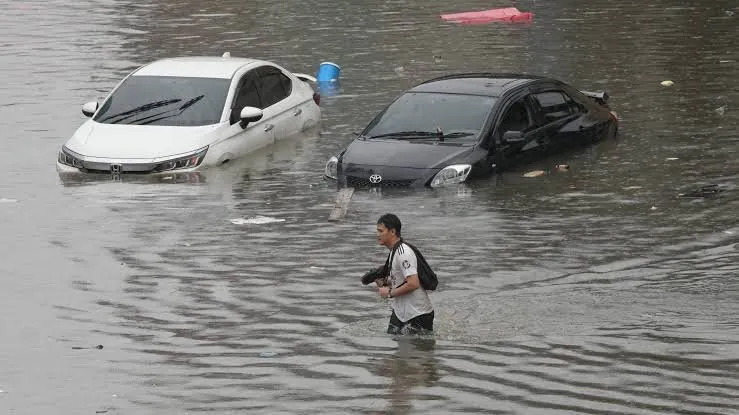
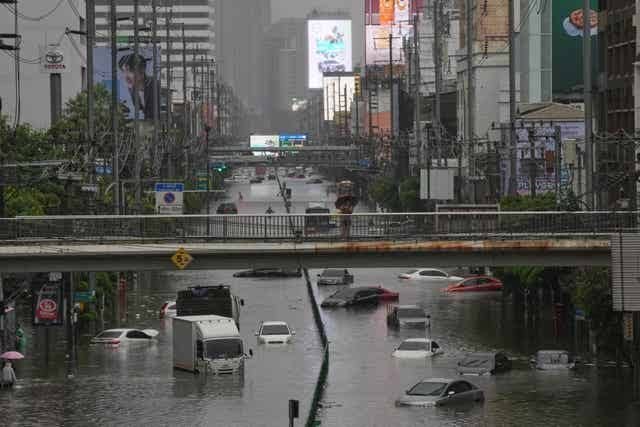
- Residents left stranded as roads become rivers, with cars abandoned and homes inundated by the rising waters
The city of Bangkok, often dubbed the ‘Venice of the East’, has been transformed into a veritable aquatic landscape, as days of relentless rain have brought the Thai capital to its knees.
The deluge, which began on Thursday afternoon and persisted through to Saturday morning, has seen major canals overflow, with accumulated rainfall exceeding a staggering 20cm in some areas.
As the floodwaters continue to spread, residents are being forced to evacuate, with many left to wonder when the waters will recede and life can return to normal.
At the heart of the crisis is a strong low-pressure system, which has been wreaking havoc over the central region, combining with strengthening southwest monsoon conditions to create a perfect storm of biblical proportions.
The Thai Meteorological Department has warned that the heavy rain is set to continue, with the city’s residents bracing themselves for further disruption and chaos.
As the situation continues to unfold, authorities have been working tirelessly to respond to the crisis, with emergency warning messages sent to those in affected areas and shelters set up to accommodate those forced to flee their homes.
But as the people of Bangkok struggle to come to terms with the devastation, questions are being asked about the city’s ability to cope with such extreme weather events.
The floods, which have blocked roads and brought traffic to a standstill, have exposed the weaknesses in the city’s infrastructure, leaving many to wonder whether enough is being done to mitigate the effects of such disasters.
As the city’s governor, Chadchart Sittipunt, works to reassure residents that the flooding should recede once the rain subsides, concerns remain about the long-term implications of such events, and the need for a more robust and resilient response to the challenges posed by climate change.
In the midst of the chaos, residents have been left to pick up the pieces, with many forced to abandon their cars and seek shelter in makeshift camps.
The images of submerged roads and abandoned vehicles have sent shockwaves around the world, highlighting the devastating impact of the floods on the city and its people.
As the situation continues to unfold, one thing is clear: the city of Bangkok is facing a crisis of unprecedented proportions, and it will take a concerted effort from authorities, residents, and the international community to rebuild and recover from the devastation.
As the people of Thailand struggle to come to terms with the disaster, the country’s government has been working to provide support and assistance to those affected.
The authorities have set up shelters and provided food and water to those in need, but more needs to be done to address the root causes of the crisis.
The floods are a stark reminder of the need for investment in infrastructure and disaster mitigation measures, and the importance of international cooperation in responding to such events.
As the city begins the long and difficult process of recovery, it is clear that the road ahead will be fraught with challenges, but with the resilience and determination of the Thai people, there is hope for a brighter future.
Analysis: What This Means for Australia is a critical question, as the country’s close ties with Thailand and its people mean that the implications of the crisis will be felt far beyond the borders of the affected region.
The floods are a stark reminder of the need for Australia to be prepared for extreme weather events, and to have in place robust measures to mitigate the effects of such disasters.
As the country’s authorities work to respond to the crisis, it is clear that there are lessons to be learned from the experience of Bangkok, and the need for a concerted effort to address the challenges posed by climate change.
Security analysts say that the crisis in Bangkok highlights the need for Australia to be vigilant in its response to natural disasters, and to have in place measures to protect its citizens and infrastructure from the effects of such events.
Law enforcement insiders warn that the floods have the potential to create a range of security challenges, from looting and civil unrest to the spread of disease and the disruption of critical services.
Industry observers believe that the crisis is a wake-up call for Australia, highlighting the need for investment in disaster mitigation measures and the importance of international cooperation in responding to such events.
As the people of Bangkok begin the long and difficult process of recovery, it is clear that the road ahead will be fraught with challenges. But with the resilience and determination of the Thai people, and the support of the international community, there is hope for a brighter future.
The crisis in Bangkok is a stark reminder of the need for Australia to be prepared for extreme weather events, and to have in place robust measures to mitigate the effects of such disasters.
By learning from the experience of Bangkok, and working together to address the challenges posed by climate change, Australia can help to create a safer and more resilient future for all.
The floods in Bangkok have also highlighted the importance of disaster mitigation measures, and the need for investment in infrastructure to protect against the effects of extreme weather events.
The crisis has also underscored the importance of international cooperation, as countries work together to respond to the challenges posed by climate change.
As the world looks on, it is clear that the people of Bangkok will need all the support they can get, and that the international community has a critical role to play in helping the city to recover and rebuild.
The Australian Bureau of Statistics has warned that the economic implications of the crisis will be significant, and that the effects will be felt far beyond the borders of Thailand.