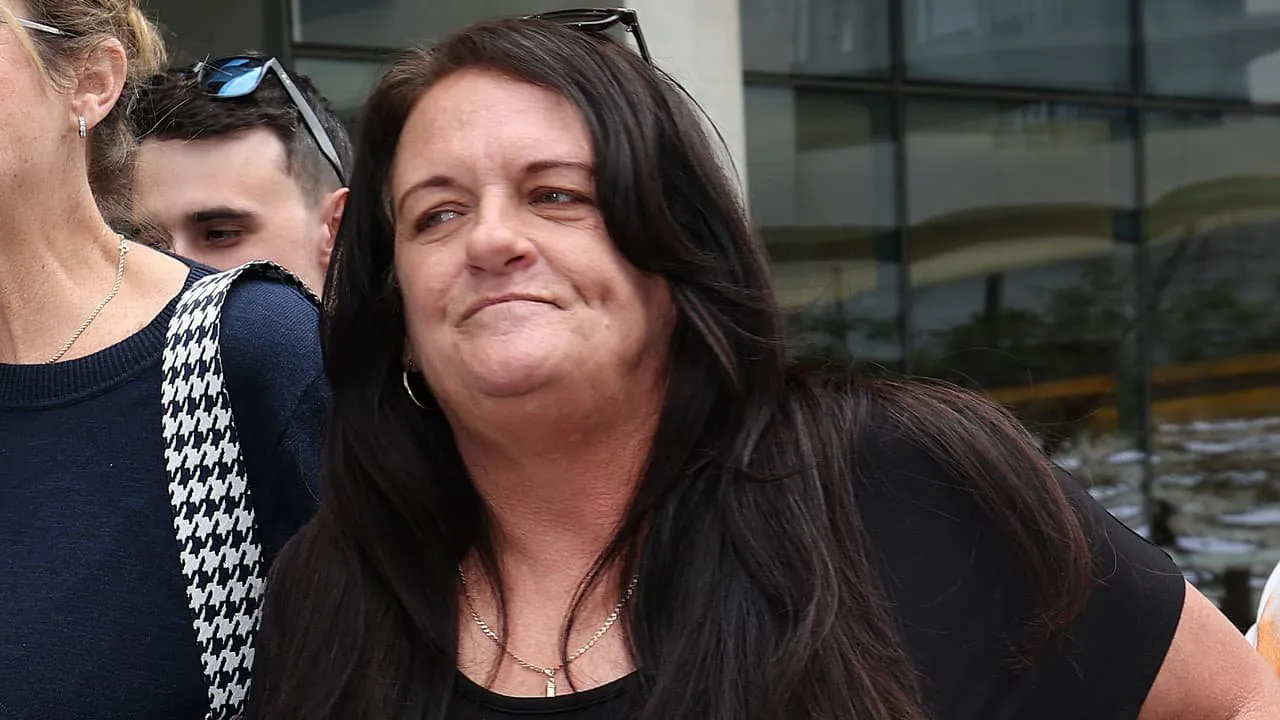
Terminal Love: Woman Who Helped Dying Husband End His Life Walks Free, Exposing Australia’s Euthanasia Dilemma
- A 52-year-old woman has been spared jail for assisting her terminally ill husband’s suicide, sparking debate about Australia’s voluntary assisted dying laws
- The case highlights the devastating consequences of motor neurone disease and the difficult choices faced by loved ones
- As the woman walks free, experts warn that Australia’s euthanasia laws are failing to provide adequate support for those in need
- The verdict raises questions about the role of law enforcement and the judiciary in cases involving end-of-life care and assisted dying
The Brisbane Supreme Court has handed down a landmark verdict, sparing a woman from jail for her role in helping her terminally ill husband end his life.
Kylie Truswell-Mobbs, 52, pleaded guilty to assisting suicide after administering a lethal dose of medication to her husband, David Mobbs, who was suffering from aggressive motor neurone disease.
The case has sparked a national conversation about Australia’s voluntary assisted dying laws and the need for greater support for those facing end-of-life care.
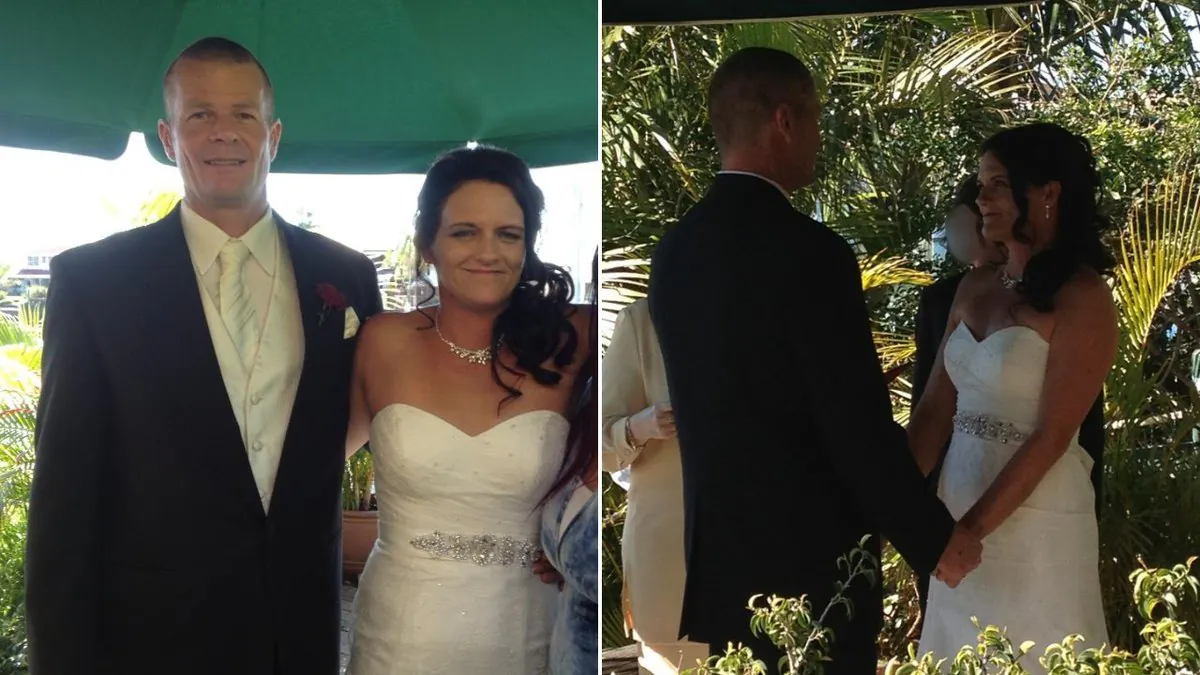
David Mobbs, a former firefighter, was diagnosed with motor neurone disease in April 2023 and rapidly deteriorated, losing his independence and ability to communicate. By December 2023, he was unable to walk, move, or speak, and could only communicate through blinking, making noises, or using a letter board.
Despite being eligible for voluntary assisted dying, the process would have taken at least nine days, prompting Truswell-Mobbs to take matters into her own hands.

With the full knowledge of her sons and carers, she administered a lethal dose of medication, ending her husband’s suffering.
The case is a heart-wrenching example of the difficult choices faced by loved ones when dealing with terminal illness. Truswell-Mobbs’s actions were motivated by love and a desire to end her husband’s suffering, rather than malice or intent to harm.
The court acknowledged this, with Justice Tom Sullivan describing her as remorseful and accepting that her actions were driven by a desire to alleviate her husband’s pain.
The verdict has been welcomed by advocates for euthanasia law reform, who argue that Australia’s current laws are inadequate and fail to provide sufficient support for those in need.
Analysis: What This Means for Australia, the implications of this case are far-reaching, with significant consequences for national security, law enforcement, and community safety.
The case highlights the need for greater investment in palliative care and support for those facing end-of-life care.
It also raises questions about the role of law enforcement and the judiciary in cases involving assisted dying, and whether current laws are sufficient to protect the rights of individuals and their loved ones.
As Australia continues to grapple with the complexities of euthanasia, this case serves as a stark reminder of the need for compassion, empathy, and understanding in our approach to end-of-life care.
Security analysts say that the case underscores the importance of having robust and compassionate laws in place to support individuals and families dealing with terminal illness.
Law enforcement insiders warn that the current laws can often put loved ones in impossible situations, forcing them to choose between breaking the law and alleviating their loved one’s suffering.
Industry observers believe that the verdict will add momentum to the push for euthanasia law reform, with many arguing that Australia’s current laws are out of step with community expectations and the need for greater support for those facing end-of-life care.
As Truswell-Mobbs walks free, she has expressed relief that the case has finally come to an end, saying that she feels a weight has been lifted from her shoulders.
The verdict has been welcomed by her family and supporters, who have praised her courage and selflessness in the face of overwhelming adversity. However, the case also serves as a reminder of the need for greater awareness and understanding of motor neurone disease and its devastating consequences.
By sharing her story, Truswell-Mobbs hopes to raise awareness and promote greater compassion and empathy for those affected by terminal illness.
The case has also sparked a wider conversation about the role of voluntary assisted dying in Australia, with many arguing that the current laws are inadequate and fail to provide sufficient support for those in need.
voluntary assisted dying laws vary across the country, with some states and territories having more progressive laws than others. However, the case highlights the need for a more uniform approach, one that prioritizes compassion, empathy, and understanding.
As Australia continues to navigate the complexities of euthanasia, it is clear that a more nuanced and multifaceted approach is needed, one that balances the need for individual autonomy with the need for protection and support.
Experts warn that the current laws can often create a culture of secrecy and fear, where individuals and families are forced to make difficult choices in isolation.
Australian Bureau of Statistics data shows that the number of Australians seeking assistance with end-of-life care is increasing, highlighting the need for greater investment in palliative care and support services.
By prioritizing compassion, empathy, and understanding, Australia can work towards creating a more supportive and inclusive environment for those facing terminal illness, one that acknowledges the complexity and nuance of end-of-life care.