
Australia Teeters On The Brink Of Political Upheaval As Pauline Hanson Surges Ahead In Queensland, Leaving Labor And Coalition Scrambling For Survival
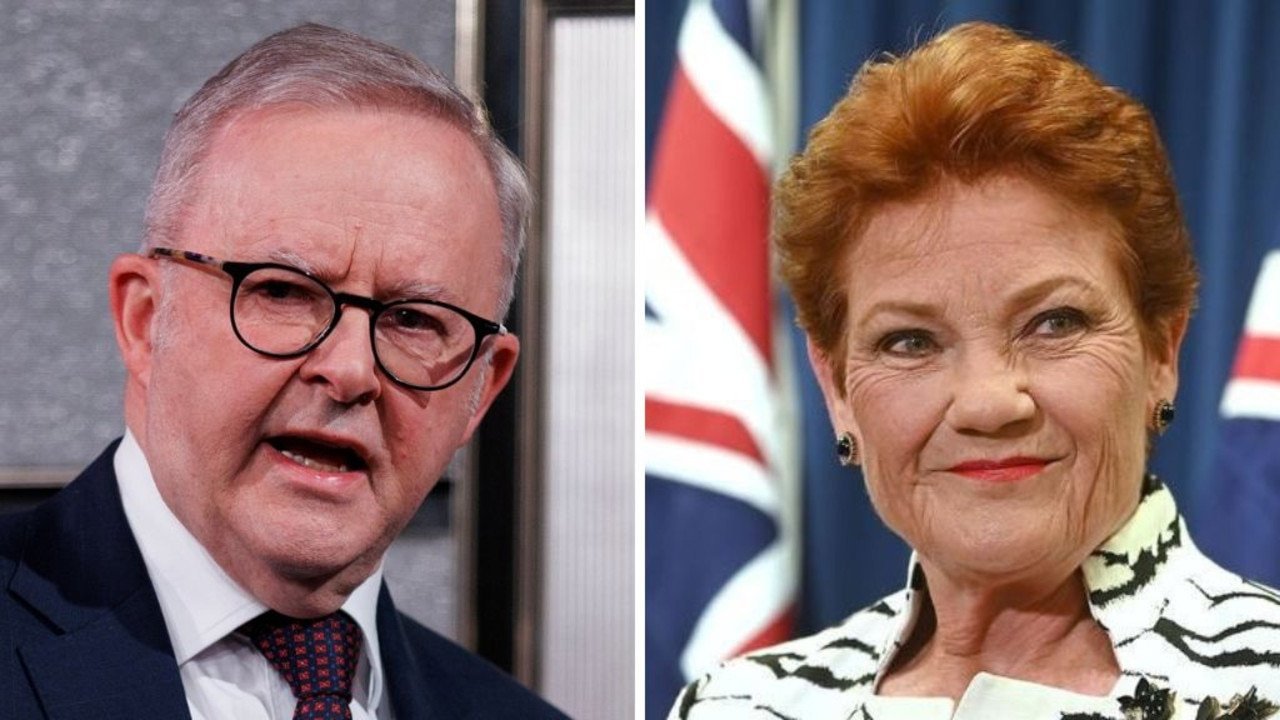
- A shocking new poll reveals One Nation leader Pauline Hanson is now the preferred prime minister in Queensland, with 52 per cent of voters backing her over Anthony Albanese’s 48 per cent.
- One Nation’s primary vote has skyrocketed to 36 per cent in Queensland, while Labor’s has plummeted to 25 per cent, sparking fears of a major political shake-up.
- The party’s surge is not limited to Queensland, with One Nation also making significant gains in NSW, South Australia, and Western Australia, leaving the major parties reeling.
- As the cost of living crisis deepens and the Reserve Bank prepares to increase interest rates, Australians are increasingly turning to alternative parties in search of change, leaving the Coalition and Labor scrambling to respond.
The latest Newspoll results have sent shockwaves through the Australian political landscape, with One Nation leader Pauline Hanson emerging as the preferred prime minister in Queensland.
The poll, conducted for The Australian, shows Hanson leading Anthony Albanese by 52 per cent to 48 per cent, a result that has left the major parties reeling.
The surge in support for One Nation is not limited to Queensland, with the party also making significant gains in NSW, South Australia, and Western Australia, where it is now polling at 31 per cent, 31 per cent, and 29 per cent respectively.
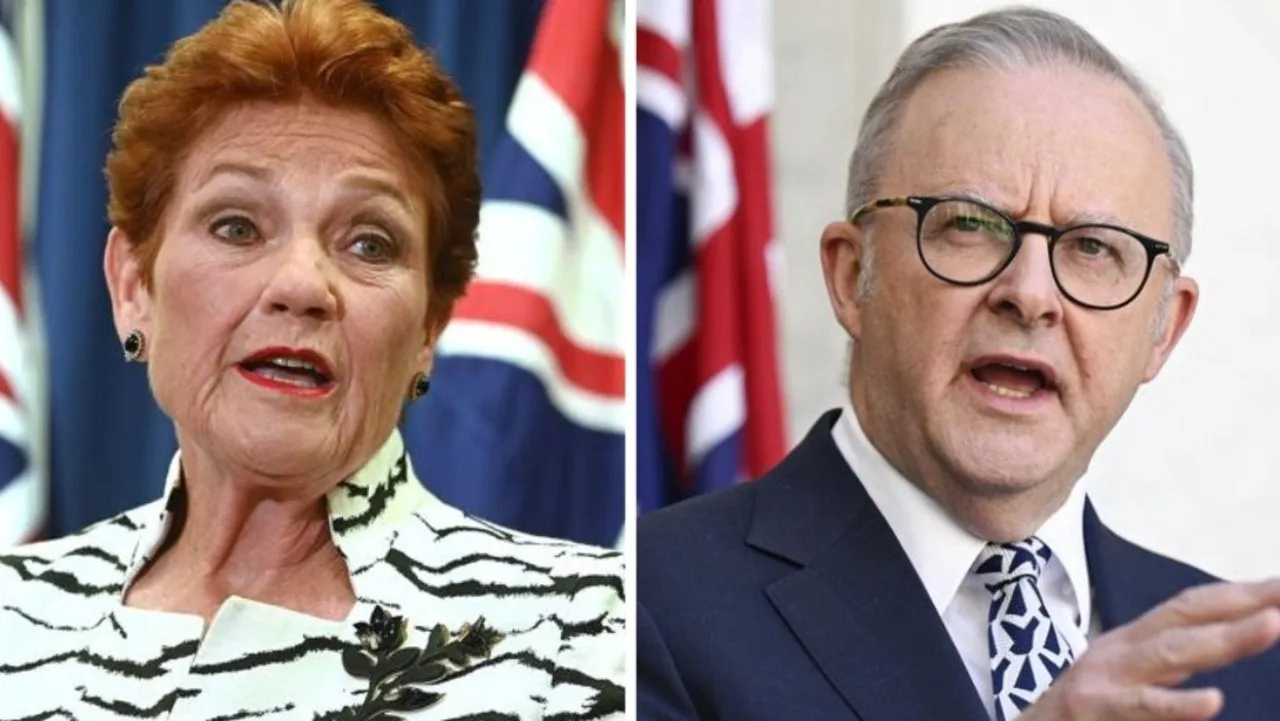
One Nation’s rise to prominence has been swift and decisive, with the party capitalizing on the growing discontent among Australian voters.
The cost of living crisis, which has seen households struggle to make ends meet, has been a major factor in the party’s surge, with many voters turning to One Nation in search of change.
Shadow defence minister James Paterson acknowledged the trend, saying that One Nation appears to be the most significant change on offer, but warned that the party lacks a credible plan and team to deliver on its promises.
The polling results have significant implications for the major parties, with Labor’s primary vote in Queensland plummeting to 25 per cent.
The Coalition, which has long been the dominant force in Australian politics, is also facing a challenge from One Nation, which is now polling ahead of the party in several key states.
Independent MP Allegra Spender said the trend away from the major parties is part of a broader shift in Australian politics, with voters increasingly disillusioned with the promises of the major parties and seeking alternative voices.
As the Reserve Bank prepares to increase interest rates, the Australian economy is bracing itself for another shock, with households already feeling the pinch of the cost of living crisis.
The interest rate hike is expected to bring more pain to Australian households, which are already struggling to make ends meet.
Against this backdrop, One Nation’s surge in the polls is likely to continue, as voters seek out alternative parties that promise to deliver on their promises.
Security analysts say that the rise of One Nation has significant implications for national security, as the party’s policies on immigration and border control are likely to be more restrictive than those of the major parties.
Law enforcement insiders warn that the rise of One Nation could also have significant implications for community safety, as the party’s policies on law and order are likely to be more punitive than those of the major parties.
The party’s surge in the polls has already led to a number of high-profile controversies, including MPs’ confusion over the party’s immigration policy and Hanson’s recent comments on Indigenous Australians.
Despite these controversies, One Nation continues to gain traction, with many voters seeing the party as a viable alternative to the major parties.
Analysis: What This Means for Australia is that the country is on the cusp of a major political shift, with the rise of One Nation threatening to upend the traditional dominance of the major parties.
The implications of this shift are far-reaching, with significant consequences for national security, law enforcement, and community safety.
As the Australian economy continues to struggle, the rise of One Nation is likely to be a major factor in the upcoming election, with voters seeking out alternative parties that promise to deliver on their promises.
Industry observers believe that the rise of One Nation is part of a broader trend towards populism, with voters increasingly seeking out parties that promise to deliver on their promises, rather than the traditional major parties.
Security analysts say that the rise of One Nation has significant implications for Australia’s role in international crime and geopolitics, as the party’s policies on immigration and border control are likely to be more restrictive than those of the major parties.
This could lead to a shift in Australia’s relationships with other countries, particularly in the Asia-Pacific region, where the country has long been a key player.
Law enforcement insiders warn that the rise of One Nation could also have significant implications for community safety, as the party’s policies on law and order are likely to be more punitive than those of the major parties.
As the Australian economy continues to struggle, the rise of One Nation is likely to be a major factor in the upcoming election, with voters seeking out alternative parties that promise to deliver on their promises.
Expert commentary on the rise of One Nation is divided, with some analysts seeing the party as a viable alternative to the major parties, while others warn of the dangers of populism.
However, one thing is clear: the rise of One Nation is a significant development in Australian politics, with far-reaching implications for the country’s future. As the election approaches, voters will be weighing up their options carefully, considering the policies and promises of each party.
For more information on the Australian political landscape, visit our politics page, or for more on the cost of living crisis, visit our cost of living page.
For information on the Reserve Bank’s interest rate decision, visit the Reserve Bank of Australia website.