
Tragedy Strikes Hollywood: Beloved 13-Year-Old Daughter of Actor-Director Chad Lowe Takes Her Own Life, Leaving Family and Community Reeling
- A devastating loss has shaken the family of actor-director Chad Lowe, as his 13-year-old daughter Fiona Hepler Lowe’s cause of death is revealed to be suicide, sparking an outpouring of grief and tributes from the community.
- The tragic event has highlighted the alarming rise of youth and teen suicide in the United States, with experts warning that it’s now the second leading cause of death among youth ages 10-14, and the third leading cause among people ages 15-24.
- As the nation grapples with this growing crisis, the 988 Suicide and Crisis Lifeline has become a vital resource for those struggling with mental health issues, providing a lifeline for individuals and families in desperate need of support and guidance.
- The Lowe family’s heartbreaking loss serves as a poignant reminder of the importance of addressing mental health, breaking down stigmas, and promoting open conversations about suicide prevention, as they urge others to reach out for help and support during this dark time.
The news of Fiona’s passing sent shockwaves through the entertainment industry and beyond, with fans and friends of the Lowe family taking to social media to express their condolences and share their own stories of struggle and resilience in the face of mental health challenges.
As the family navigates this unimaginable tragedy, they have chosen to use their platform to raise awareness about the critical issue of youth suicide, and to encourage others to seek help and support when needed.
According to the Los Angeles County Department of Medical Examiner, Fiona passed away on September 29, with the manner of death determined to be a suicide.
The case remains open, and the family has asked for privacy and prayers during this difficult time.
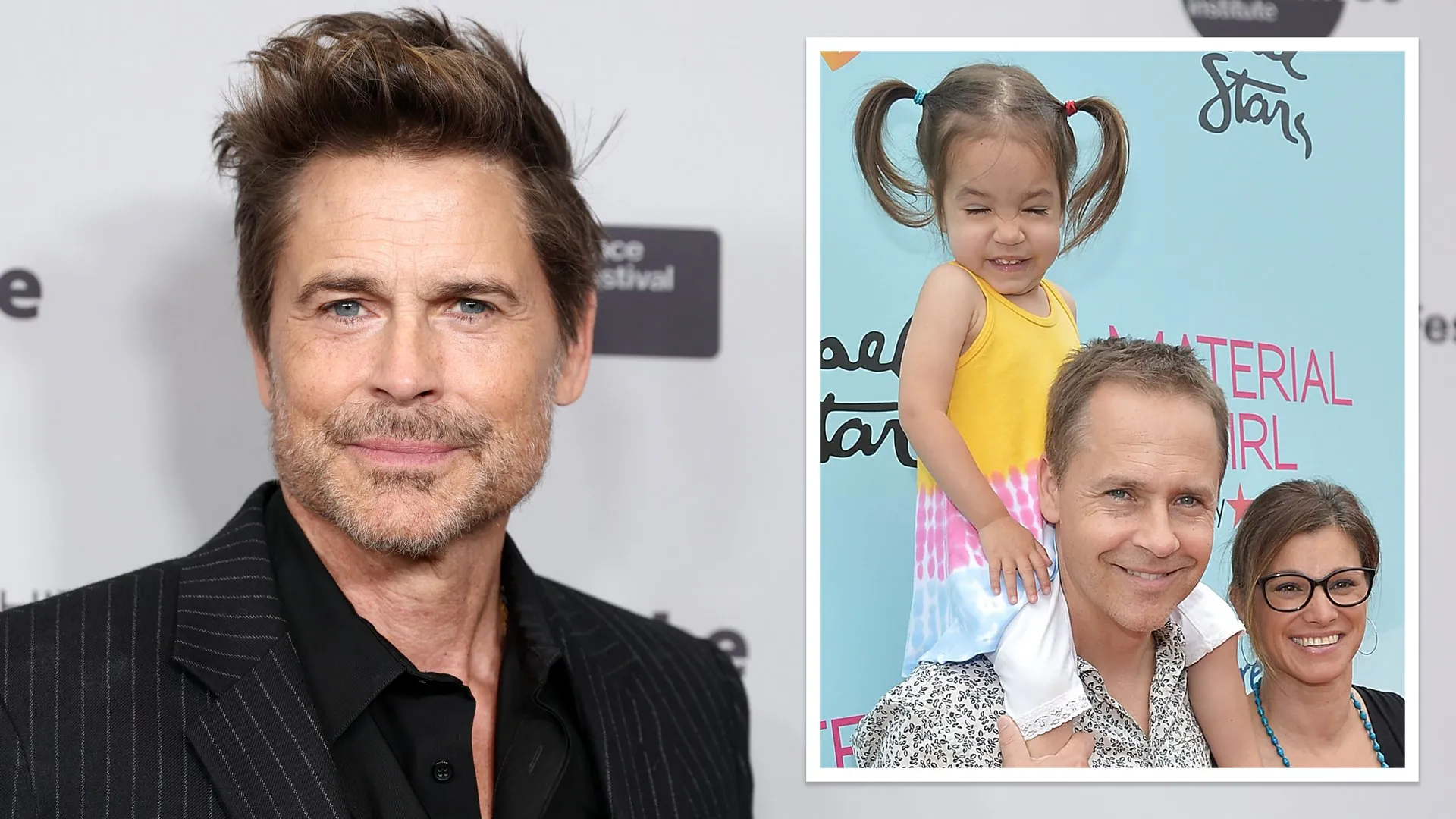
In a statement to People, Chad and his wife, Kim Painter, described their daughter as “a loving young girl who was smart, creative, and loved to dance,” and expressed their deep heartbreak and devastation at her loss.


As the investigation into Fiona’s death continues, experts are highlighting the importance of addressing the root causes of youth suicide, including prior suicide attempts, family history of suicide, and mental health conditions such as severe depression and anxiety disorders.
The National Alliance of Mental Illness has identified several factors that increase the risk of suicide, including substance misuse, impulsivity, and social isolation, as well as a history of traumatic experiences and lack of access to mental health care.
Security analysts say that the growing concern of youth and teen suicide has significant implications for community safety and well-being, emphasizing the need for increased awareness, education, and support for mental health initiatives.
Law enforcement insiders warn that the rise in youth suicide is a complex issue that requires a multifaceted approach, involving not only mental health professionals but also community leaders, educators, and families.
Analysis: What This Means for Australia is that the country must take a proactive approach to addressing the growing concern of youth and teen suicide, by investing in mental health initiatives, promoting open conversations about suicide prevention, and providing support and resources for individuals and families in need.
The Australian government has a critical role to play in addressing this issue, by working with mental health organizations, schools, and community groups to develop effective strategies for preventing youth suicide and promoting mental health and well-being.
Industry observers believe that the key to preventing youth suicide lies in early intervention and support, including access to mental health services, counseling, and peer support groups.
By providing young people with the tools and resources they need to manage their mental health, we can help to reduce the risk of suicide and promote a culture of resilience and hope.
As the Lowe family’s tragedy serves as a poignant reminder of the importance of addressing mental health, it’s clear that we must work together to create a society that supports and uplifts our young people, rather than leaving them to struggle in silence.
For those struggling with mental health issues, the 988 Suicide and Crisis Lifeline provides a vital lifeline, offering 24/7 support and guidance via phone, text, or online chat.
By reaching out for help and support, individuals can take the first step towards healing and recovery, and begin to build a brighter, more hopeful future for themselves and their loved ones.
As we reflect on the tragic loss of Fiona Hepler Lowe, we are reminded of the importance of looking out for one another, and of the critical role that we all play in promoting mental health and well-being in our communities.
Experts say that by working together to address the root causes of youth suicide, we can create a safer, more supportive environment for young people to thrive.
This includes promoting healthy relationships, encouraging open conversations about mental health, and providing access to resources and support services.
By taking a proactive approach to addressing this critical issue, we can help to reduce the risk of youth suicide and promote a culture of hope, resilience, and well-being.
In the wake of Fiona’s passing, the Lowe family has urged others to reach out for help and support, and to prioritize their mental health and well-being.
By sharing their story and raising awareness about the critical issue of youth suicide, they hope to inspire others to take action, and to create a brighter, more hopeful future for young people everywhere.
As we mourn the loss of this talented and vibrant young girl, we are reminded of the importance of looking out for one another, and of the critical role that we all play in promoting mental health and well-being in our communities.
For more information on mental health resources and support services, visit mental health crisis or Australian Bureau of Statistics for more information on the latest research and statistics.
By working together to address this critical issue, we can create a safer, more supportive environment for young people to thrive, and help to reduce the risk of youth suicide in our communities.