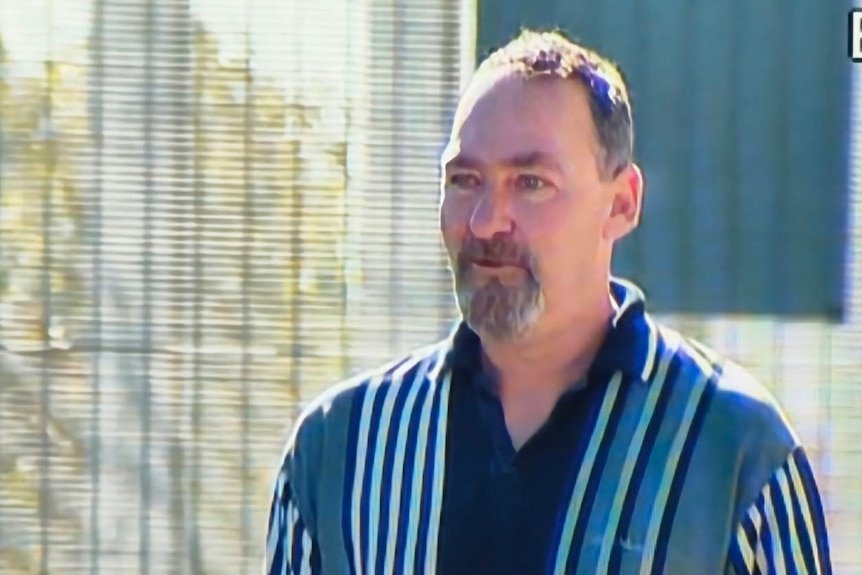
Snowtown Serial Killer James Vlassakis Walks Free: Australia Grapples with the Release of a ‘Bodies in the Barrels’ Murderer
- Australia is bracing itself for the release of one of its most notorious serial killers, James Vlassakis, who has been convicted of murdering multiple people in the infamous Snowtown killings.
- Vlassakis, who was just a teenager when he committed the heinous crimes, has been living in the Adelaide Pre-release Centre after his parole was confirmed last month, sparking widespread outrage and concern for public safety.
- As the 46-year-old prepares to reintegrate into society, many are left wondering how such a brutal killer could be released back into the community, and what this means for the families of his victims and the broader Australian public.
- The decision to release Vlassakis has raised serious questions about the effectiveness of Australia’s parole system and the ability of law enforcement to keep the community safe from violent offenders.
The release of James Vlassakis from the Adelaide Pre-release Centre has sent shockwaves throughout Australia, with many people struggling to come to terms with the fact that a convicted serial killer is now walking free.
Vlassakis, who was involved in the murders of at least four people between 1992 and 1999, was sentenced to life imprisonment with a non-parole period of 26 years.
However, after serving his time, he has been granted parole and is now living in a correctional facility in Adelaide’s northern suburbs.
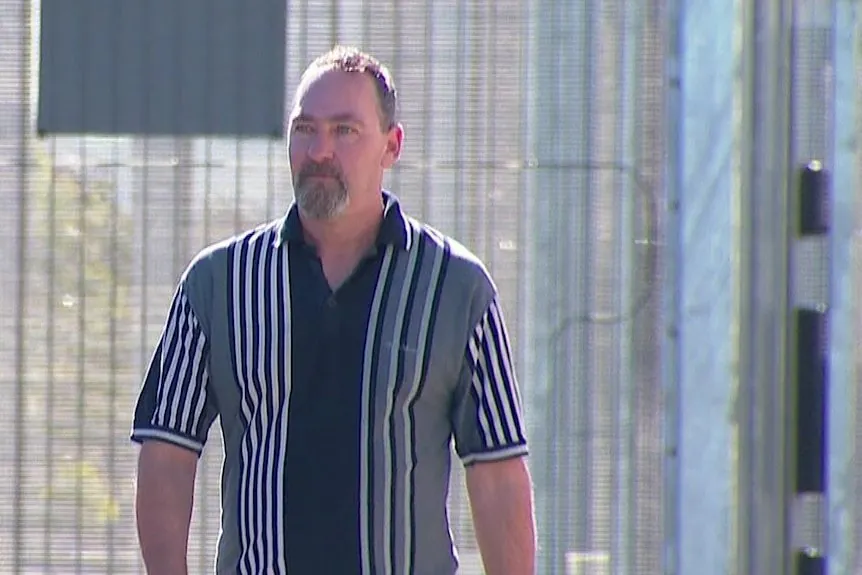
The Snowtown killings, which involved the torture and murder of multiple people, are considered one of the most horrific crimes in Australian history. Vlassakis, who was just 19 years old when he committed the crimes, was the youngest of the four perpetrators involved.
His release has sparked widespread outrage, with many people questioning how such a brutal killer could be released back into the community. The South Australian government had attempted to block Vlassakis’s parole, but the decision was upheld in September, paving the way for his release.


As Vlassakis prepares to reintegrate into society, he will be subject to strict parole conditions, including a curfew, restricted movements, and regular drug and alcohol testing.
He will also be required to undergo psychological intervention and will be liable to random testing. However, despite these conditions, many people remain concerned about the risk Vlassakis poses to the community.
The Parole Board has stated that Vlassakis will be closely monitored, but the fact remains that he has been convicted of some of the most heinous crimes in Australian history, and his release is a sobering reminder of the dangers that exist in our society.
The decision to release Vlassakis has also raised serious questions about the effectiveness of Australia’s parole system.
Many people are wondering how such a brutal killer could be released back into the community, and what this means for the families of his victims and the broader Australian public.
The case has sparked a heated debate about the balance between rehabilitation and public safety, with some arguing that Vlassakis should never be released, while others believe that he has served his time and deserves a second chance.
Analysis: What This Means for Australia is a complex and multifaceted issue.
On one hand, the release of Vlassakis highlights the need for a more effective parole system, one that prioritizes public safety above all else. On the other hand, it also raises questions about the ability of law enforcement to keep the community safe from violent offenders.
As Australia grapples with the release of a convicted serial killer, it is clear that there are no easy answers.
However, one thing is certain: the release of James Vlassakis is a stark reminder of the dangers that exist in our society, and the need for a more nuanced and effective approach to dealing with violent offenders.
Security analysts say that the release of Vlassakis is a wake-up call for Australia, highlighting the need for a more effective parole system and a greater emphasis on public safety.
“The fact that Vlassakis has been released back into the community is a concern for everyone,” said one analyst.
“It highlights the need for a more nuanced approach to dealing with violent offenders, one that prioritizes public safety above all else.” Law enforcement insiders warn that the release of Vlassakis is just the tip of the iceberg, and that there are many more violent offenders like him who are waiting to be released back into the community.
Industry observers believe that the release of Vlassakis is a symptom of a broader problem, one that requires a more comprehensive and coordinated approach to dealing with violent offenders.
“The fact that Vlassakis has been released back into the community is a concern for everyone,” said one observer. “It highlights the need for a more effective parole system, one that prioritizes public safety above all else.
We need to take a more nuanced and multifaceted approach to dealing with violent offenders, one that includes rehabilitation, mental health support, and close monitoring.” As Australia grapples with the release of a convicted serial killer, it is clear that there are no easy answers.
However, one thing is certain: the release of James Vlassakis is a stark reminder of the dangers that exist in our society, and the need for a more effective and coordinated approach to dealing with violent offenders.
The release of Vlassakis has also sparked a heated debate about the role of Australian Bureau of Statistics in tracking and monitoring violent offenders.
Many people are calling for greater transparency and accountability, arguing that the public has a right to know when a violent offender is released back into the community.
Others argue that the focus should be on rehabilitation and support, rather than punishment and surveillance.
As the debate continues, one thing is clear: the release of James Vlassakis is a complex and multifaceted issue that requires a nuanced and comprehensive approach.
In conclusion, the release of James Vlassakis is a stark reminder of the dangers that exist in our society, and the need for a more effective and coordinated approach to dealing with violent offenders.
As Australia grapples with the release of a convicted serial killer, it is clear that there are no easy answers.
However, one thing is certain: the release of Vlassakis is a wake-up call for Australia, highlighting the need for a more effective parole system, a greater emphasis on public safety, and a more nuanced and multifaceted approach to dealing with violent offenders.
The case of James Vlassakis is a complex and sobering reminder of the importance of prioritizing public safety, and the need for a more comprehensive and coordinated approach to dealing with violent offenders.