
Buddhist Monk’s Despicable Crimes Exposed: The Shocking Tale of a Man Who Betrayed the Trust of His Community and Left a Trail of Trauma in His Wake
- A 71-year-old former Buddhist head monk has been sentenced to a minimum of nine years and four months in prison for sexually abusing young girls as young as four at his temple.
- The victims, now adults, have spoken out about the lifelong trauma they have suffered as a result of the monk’s actions, describing the abuse as “ridiculous” and saying it has left them struggling to trust men.
- The monk’s supporters have been criticised for their reaction to his sentencing, with some bowing to him and smiling as he was led out of the courtroom, sparking outrage among the victims and their families.
- The case has raised questions about the accountability of those in positions of power and the need for greater protection for vulnerable children in religious institutions.
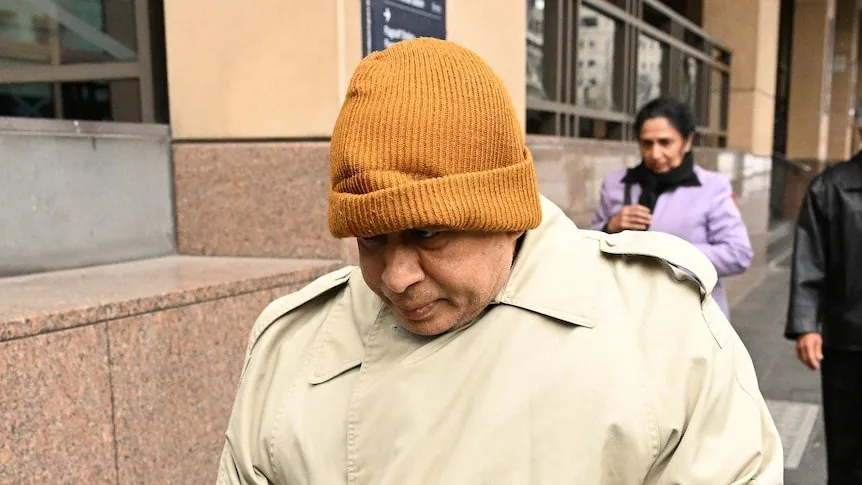
The sentencing of Naotunne Vijitha, a former Buddhist head monk, has sent shockwaves through the community, with many left reeling at the sheer scale of his crimes.
The 71-year-old was found guilty of 17 charges of sexual penetration and committing an indecent act with a child under 16, with the abuse taking place over an eight-year period at his temple in Melbourne’s southeast.
The details of the case are nothing short of horrifying, with Vijitha using his position of power to exploit young children, luring them with lollies, toys, and books while their parents helped out at the temple.
The victims, who were aged between four and 12 at the time of the abuse, have spoken out about the devastating impact it has had on their lives, with one woman saying that parts of her nine-year-old self would “never come back”.
The abuse began in 1994, after Vijitha moved to Melbourne to become the head monk of the Dhamma Sarana Buddhist temple at Springvale. It continued until 2002, after the temple relocated to neighbouring suburb Keysborough.

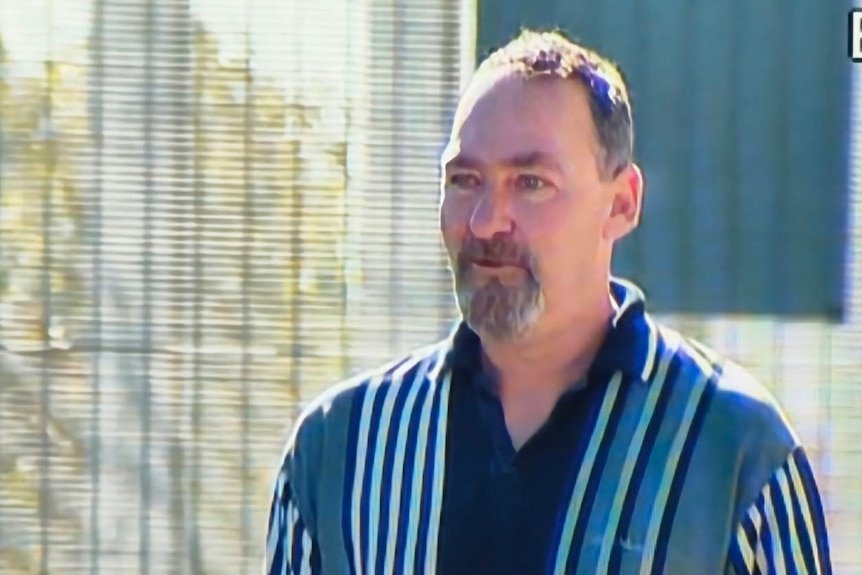


During this time, Vijitha used his temple living quarters, a prayer room, and Sunday school to carry out his heinous crimes, leaving a trail of trauma and destruction in his wake.
The victims’ impact statements, which were read out in court, painted a powerful picture of the lifelong trauma they have suffered as a result of Vijitha’s actions.
One woman described how the abuse had affected her relationships, career, and social life, saying that she had struggled to trust men and had been left with a deep-seated fear of intimacy.
Another victim spoke about the impact the abuse had on her faith, saying that Vijitha had “poisoned” her faith and left her feeling lost and alone.
Despite the overwhelming evidence against him, Vijitha continues to deny any responsibility for his actions, showing no remorse for the harm he has caused.
This lack of remorse has been condemned by the judge, who described Vijitha’s actions as “egregious” and said that he had “transgressed every boundary” of trust and decency.
Analysis: What This Means for Australia
The case of Naotunne Vijitha has significant implications for Australia, highlighting the need for greater accountability and protection for vulnerable children in religious institutions.
It also raises questions about the role of power and authority in enabling abuse, and the need for greater scrutiny of those in positions of trust.
Security analysts say that the case is a stark reminder of the need for vigilance and the importance of reporting suspicious behaviour, particularly in institutions where children are present.
Law enforcement insiders warn that the case is just the tip of the iceberg, and that there may be many more victims of abuse who have yet to come forward.
Industry observers believe that the case highlights the need for greater transparency and accountability in religious institutions, and the importance of implementing robust safeguards to protect children from abuse.
They say that the case is a wake-up call for Australia, and that it is essential to take a proactive approach to preventing abuse and supporting victims.
By working together, we can create a safer and more just society for all, and ensure that those who abuse their power and trust are held to account.
For those affected by the case, there are resources available to help. The National Sexual Abuse and Redress Support Service can be contacted on 1800 211 028, and Kids Helpline can be reached on 1800 55 1800.
These services provide a safe and confidential space for victims to share their stories and receive support and guidance. By reaching out for help, victims can take the first step towards healing and recovery, and begin to rebuild their lives.
In the aftermath of the case, it is essential to reflect on the importance of community and the need for collective action to prevent abuse. By working together, we can create a culture of safety and respect, where children are protected and valued.
We can also support those who have been affected by abuse, and provide them with the resources and services they need to heal and recover. As a society, we have a responsibility to act, and to ensure that those who abuse their power and trust are held to account.
As the victims of Naotunne Vijitha begin their journey towards healing and recovery, it is essential to remember the importance of justice and accountability. The sentence handed down to Vijitha is a significant step towards justice, but it is only the beginning.
We must continue to work towards creating a society that is safe and just for all, where children are protected and valued, and where those who abuse their power and trust are held to account.
By doing so, we can create a brighter future for generations to come, and ensure that the trauma and suffering caused by Vijitha’s actions are never repeated.