
Darwin Child Rape Case: Community Left Reeling After Man Jailed for 10 Years for ‘Brazen’ Attack on Four-Year-Old Girl
- A 34-year-old man has been sentenced to 10 years in prison for the horrific rape of a four-year-old girl in a Darwin town camp, leaving the community shaken and outraged.
- The victim was lured away from her home with watermelon before being subjected to a violent and traumatic ordeal, with the attacker’s DNA later found on her body.
- The sentencing judge described the offender’s prospects for rehabilitation as “all but extinguished”, citing a long history of violence against women and breaches of court orders.
- The case has raised serious concerns about community safety and the need for tougher sentences for child sex offenders, with the offender eligible for parole in 2032.
The Northern Territory Supreme Court has sentenced Nathaniel Farrell to 10 years in prison for the rape of a four-year-old girl in a Darwin town camp, a crime that has left the community reeling in shock and horror.
The court heard that Farrell had lured the young girl away from her home with watermelon before subjecting her to a violent and traumatic ordeal, removing her nappy and digitally raping her before tying it back in place.
The girl’s mother quickly realized her daughter was missing and called the police, who later found Farrell’s DNA on the child’s body.

The details of the case are nothing short of disturbing, with the sentencing judge, Chief Justice Michael Grant, describing the offending as “brazen” and “towards the upper end of the range in terms of objective seriousness”.
The court heard that Farrell had a long history of violence against women, including breaches of court orders and parole, and that his prospects for rehabilitation were “all but extinguished”.
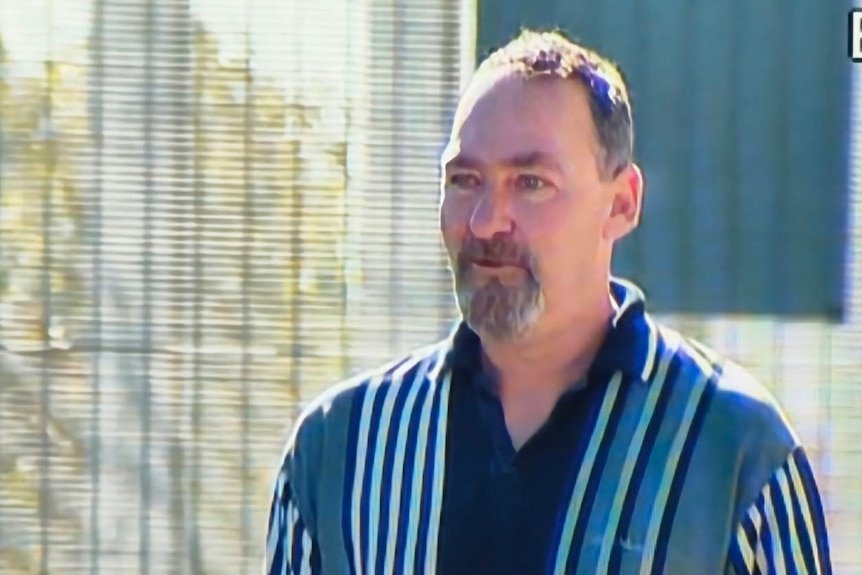



Despite growing up in a disadvantaged remote community and struggling with addiction, the judge found that these factors did not mitigate the gravity of the offending.
The case has sparked widespread outrage and concern about community safety, with many calling for tougher sentences for child sex offenders.
The fact that Farrell will be eligible for parole in 2032 has raised questions about the adequacy of the sentence and the risk he may pose to the community in the future.
As the community struggles to come to terms with the horrific nature of the crime, there are also concerns about the support and resources available to the young victim and her family as they seek to recover from their ordeal.
Security analysts say that the case highlights the need for a more comprehensive approach to addressing child safety and protecting vulnerable members of the community. This includes providing greater support for victims and their families, as well as implementing tougher sentences for offenders and improving community education and awareness programs.
Law enforcement insiders warn that the case is a stark reminder of the need for vigilance and community engagement in preventing child sex crimes, and that a collaborative approach is essential in keeping children safe.
Analysis: What This Means for Australia is that the country needs to take a hard look at its approach to child safety and protection.
The fact that a child can be lured away from their home and subjected to a horrific ordeal is a stark reminder of the need for greater vigilance and community engagement.
The case also raises questions about the adequacy of sentences for child sex offenders and the need for tougher penalties to reflect the gravity of these crimes.
As the community seeks to heal and move forward, it is essential that we learn from this case and work towards creating a safer and more supportive environment for all children.
Industry observers believe that the case highlights the need for a more nuanced approach to addressing the complex issues surrounding child safety and protection. This includes providing greater support for vulnerable members of the community, such as Indigenous children and those living in remote areas.
It also requires a more comprehensive approach to addressing the root causes of child sex crimes, including poverty, addiction, and social disadvantage.
By working together and adopting a more collaborative approach, we can create a safer and more supportive environment for all children and help to prevent horrific crimes like this from happening in the future.
As the community continues to grapple with the aftermath of this horrific crime, it is essential that we prioritize the needs and well-being of the young victim and her family.
This includes providing them with access to counseling and support services, as well as ensuring that they have the resources and assistance they need to recover from their ordeal.
By putting the needs of victims and their families first, we can help to create a more just and compassionate society that prioritizes the safety and well-being of all children.
For more information on child safety and protection, visit child safety or Australian Institute of Criminology.