
Australia’s Dark Underbelly Exposed: Nurses’ Trial for Alleged Antisemitic Comments Delayed Amid Constitutional Concerns
- Two nurses, Ahmad Rashad Nadir and Sarah Abu Lebdeh, face trial for allegedly making menacing and offensive comments to an Israeli influencer, including threats to refuse treatment to Israeli patients
- The pair’s trial has been delayed due to a constitutional issue, with the court relisting the matter for a mention on November 19 in Parramatta
- Videos of the allegedly antisemitic conversation, which were initially banned from evidence, have been permitted for use in the trial after a Court of Appeal decision
- The case has sparked concerns about the presence of antisemitism in Australia’s healthcare system and the potential consequences for patient safety and community trust
The trial of two nurses accused of making antisemitic comments to an Israeli influencer has been delayed, raising concerns about the prevalence of hate speech in Australia’s healthcare system.
Ahmad Rashad Nadir and Sarah Abu Lebdeh, both in their late 20s, have pleaded not guilty to being menacing and offensive when they allegedly threatened to refuse treatment to Israeli patients and made violent comments towards them.
The pair’s trial was initially set to begin on Monday but was vacated on Thursday morning due to a constitutional issue, with the court relisting the matter for a mention on November 19 in Parramatta.

The alleged incident occurred in February when Nadir and Abu Lebdeh were working a night shift at southwest Sydney’s Bankstown-Lidcombe Hospital. They made the comments on an online video chat platform, ChatRoulette, which randomly matches people from across the world for conversations.
The platform, known as Chatruletka in Israel, has been used by Israeli national Max Ilinsky, also known as Max Veifer, who recorded a video of his conversation with the nurses.

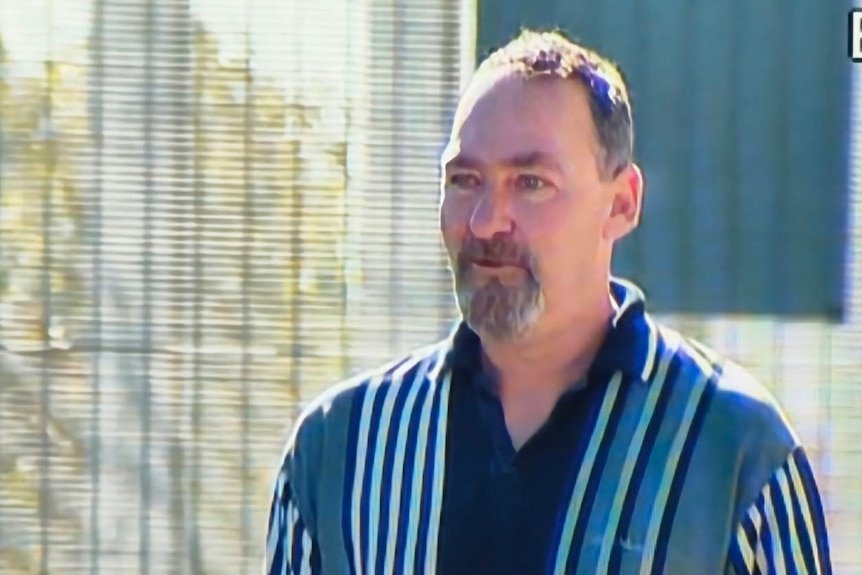


In the video, Nadir can be heard saying, “You have no idea how many Israeli (sic) … came to this hospital and …
I send them to (hell).” Nadir has since apologised for his comments, describing them as a “big mistake.”
The case has sparked a heated debate about the presence of antisemitism in Australia’s healthcare system and the potential consequences for patient safety and community trust.
The delay in the trial has raised concerns about the ability of the justice system to address hate speech and ensure that those who perpetrate it are held accountable.
The use of online platforms to spread hate speech has also been highlighted, with many calling for greater regulation and monitoring of these platforms to prevent the spread of harmful and offensive content.
The history of antisemitism in Australia is complex and multifaceted, with instances of hate speech and violence against Jewish communities dating back to the early 20th century.
In recent years, there has been a rise in reported incidents of antisemitism, including vandalism, harassment, and physical attacks.
The Australian government has taken steps to address the issue, including the establishment of a national inquiry into antisemitism and the introduction of new laws to combat hate speech.
However, many argue that more needs to be done to address the root causes of antisemitism and to ensure that those who perpetrate it are held accountable.
Analysis: What This Means for Australia
The delay in the trial of the two nurses accused of making antisemitic comments has significant implications for Australia’s national security and community safety.
The presence of hate speech in the healthcare system raises concerns about the ability of medical professionals to provide unbiased and compassionate care to all patients, regardless of their background or identity.
The use of online platforms to spread hate speech also highlights the need for greater regulation and monitoring of these platforms to prevent the spread of harmful and offensive content.
Furthermore, the case underscores the importance of addressing the root causes of antisemitism and ensuring that those who perpetrate it are held accountable.
Security analysts say that the presence of antisemitism in Australia’s healthcare system is a concerning trend that requires immediate attention.
“The fact that two nurses felt comfortable making antisemitic comments on an online platform is a disturbing indication of the level of hate speech that exists in our society,” said one analyst.
Law enforcement insiders warn that the delay in the trial may embolden others to engage in similar behaviour, highlighting the need for swift and decisive action to address the issue.
Industry observers believe that the case highlights the need for greater diversity and inclusion training in the healthcare sector, as well as the importance of promoting a culture of respect and empathy towards all patients.
The Australian government has a critical role to play in addressing the issue of antisemitism in the healthcare system.
This includes providing funding and support for diversity and inclusion training programs, as well as implementing policies to prevent and respond to incidents of hate speech.
The government must also work to promote a culture of respect and empathy towards all patients, regardless of their background or identity.
By taking these steps, Australia can work towards creating a healthcare system that is free from hate speech and discrimination, and where all patients can receive the care and compassion they deserve.
In conclusion, the delay in the trial of the two nurses accused of making antisemitic comments is a concerning development that highlights the need for immediate action to address the issue of hate speech in Australia’s healthcare system.
The case has significant implications for national security, community safety, and patient trust, and underscores the importance of promoting a culture of respect and empathy towards all patients.
As Australia continues to grapple with the issue of antisemitism, it is essential that we take a proactive and comprehensive approach to addressing the root causes of hate speech and ensuring that those who perpetrate it are held accountable.
For more information on this topic, please visit antisemitism in Australia or Australian Human Rights Commission.