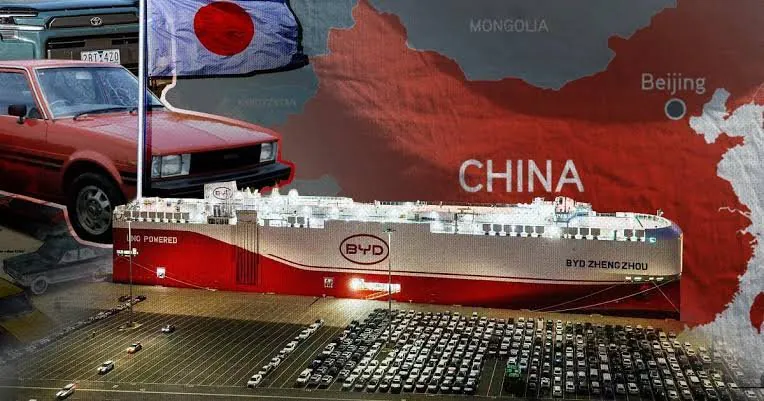
China Takes The Wheel: Australian Car Market Hit By Shocking Shift As Chinese Vehicles Outsell Japanese And Thai Models Combined
- A staggering 38.9 per cent of Australia’s new-vehicle market is now dominated by cars made in China, with September 2026 sales figures revealing a dramatic shift in consumer preferences.
- For the first time, Chinese-made cars have outsold those from Japan and Thailand combined, with a whopping 42,045 vehicles from China being sold last month alone.
- The rise of Chinese vehicles in Australia has significant implications for the local automotive industry, with major brands like Mazda, Hyundai, and BMW now manufacturing cars in China for the Australian market.
- As electric vehicle sales continue to soar, with a 117.7 per cent jump in September, the decline of petrol and diesel vehicle sales has raised concerns about the future of Australia’s automotive sector.
The latest data from the Federal Chamber of Automotive Industries (FCAI) and the Electric Vehicle Council (EVC) has sent shockwaves through the Australian automotive industry, with Chinese-made cars taking the top spot in terms of sales.
The numbers are stark, with 42,045 vehicles from China being sold in September, compared to 40,933 from Japan and Thailand combined. This shift in consumer preferences has significant implications for the local industry, with many major brands now manufacturing cars in China for the Australian market.
So, what’s driving this trend?
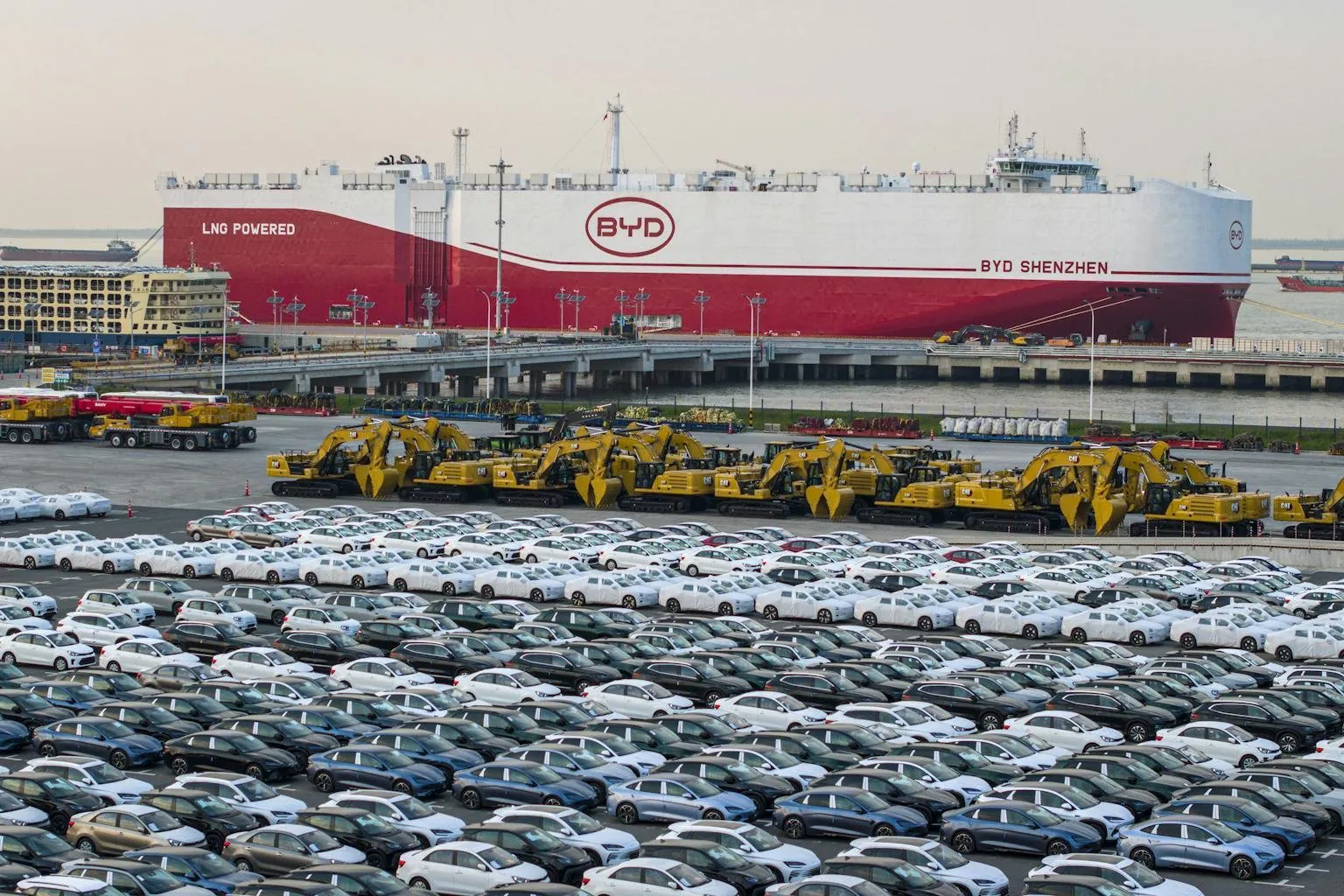
According to industry insiders, the rise of Chinese vehicles in Australia can be attributed to a combination of factors, including competitive pricing, improved quality, and a wider range of models available.
The fact that many established brands, such as Mazda, Hyundai, and BMW, are now manufacturing cars in China has also helped to boost sales.




Additionally, the growing demand for electric vehicles has played a significant role, with Chinese brands like BYD and Denza offering a range of affordable and feature-packed models.
But what does this mean for the Australian automotive industry?
The decline of petrol and diesel vehicle sales, down 36.2 per cent and 18.4 per cent respectively, has raised concerns about the future of local manufacturing.
As the industry continues to evolve, it’s likely that we’ll see a significant shift towards electric and hybrid vehicles, with Chinese brands playing a major role.
The fact that Tesla and Polestar models can be sourced from Germany or the US has also added complexity to the market, with many consumers opting for these premium brands over traditional Australian favourites.
As we delve deeper into the data, it’s clear that the Australian car market is undergoing a significant transformation.
The rise of Chinese vehicles, combined with the growing demand for electric vehicles, has created a perfect storm that’s forcing local manufacturers to rethink their strategies.
With sales of petrol and diesel vehicles in decline, it’s likely that we’ll see a significant shift towards more sustainable and environmentally-friendly options. But what does this mean for the average consumer?
Will we see a rise in prices as local manufacturers struggle to compete with cheaper Chinese imports? Only time will tell, but one thing is certain – the Australian car market will never be the same again.
Analysis: What This Means for Australia is a complex and multifaceted question.
From a national security perspective, the rise of Chinese vehicles in Australia has significant implications. As we become increasingly reliant on foreign-made cars, we’re also exposing ourselves to potential risks, including the possibility of cyber attacks and data breaches.
Law enforcement insiders warn that the lack of transparency in Chinese manufacturing processes could also create opportunities for organised crime to infiltrate the local market. Meanwhile, industry observers believe that the decline of local manufacturing could have significant economic and social consequences, including job losses and economic instability.
Security analysts say that the Australian government needs to take a closer look at the implications of this trend and consider measures to mitigate any potential risks.
This could include implementing stricter regulatory frameworks to ensure that Chinese-made vehicles meet Australian safety and security standards.
Additionally, the government could provide support for local manufacturers to help them compete with cheaper Chinese imports, such as investing in research and development and providing incentives for innovation.
By taking a proactive approach, we can ensure that the rise of Chinese vehicles in Australia is a positive development that benefits both consumers and the local industry.
As the automotive industry continues to evolve, it’s likely that we’ll see even more Chinese brands entering the Australian market. With the likes of Mazda and Hyundai already manufacturing cars in China, it’s only a matter of time before other major brands follow suit.
But what does this mean for the average consumer? Will we see a rise in prices as local manufacturers struggle to compete with cheaper Chinese imports?
According to industry insiders, the answer is not necessarily. While Chinese-made vehicles may be cheaper, they often come with a range of features and technologies that are not available in locally-made cars.
Additionally, the growth of the electric vehicle market is likely to continue, with Chinese brands playing a major role in driving this trend.
In conclusion, the rise of Chinese vehicles in Australia is a complex and multifaceted trend that has significant implications for the local industry.
As we move forward, it’s essential that we consider the potential risks and benefits of this trend and take a proactive approach to mitigating any negative consequences.
By supporting local manufacturers, investing in innovation, and implementing stricter regulatory frameworks, we can ensure that the Australian car market remains competitive and sustainable for years to come.
With the right approach, we can harness the benefits of Chinese-made vehicles while also protecting the interests of local consumers and manufacturers.