Australian Politics Teeters On The Brink As Conservative Powerbrokers Gather For CPAC, But Will It Be A Game-Changer For The Coalition Or A Recipe For Disaster?
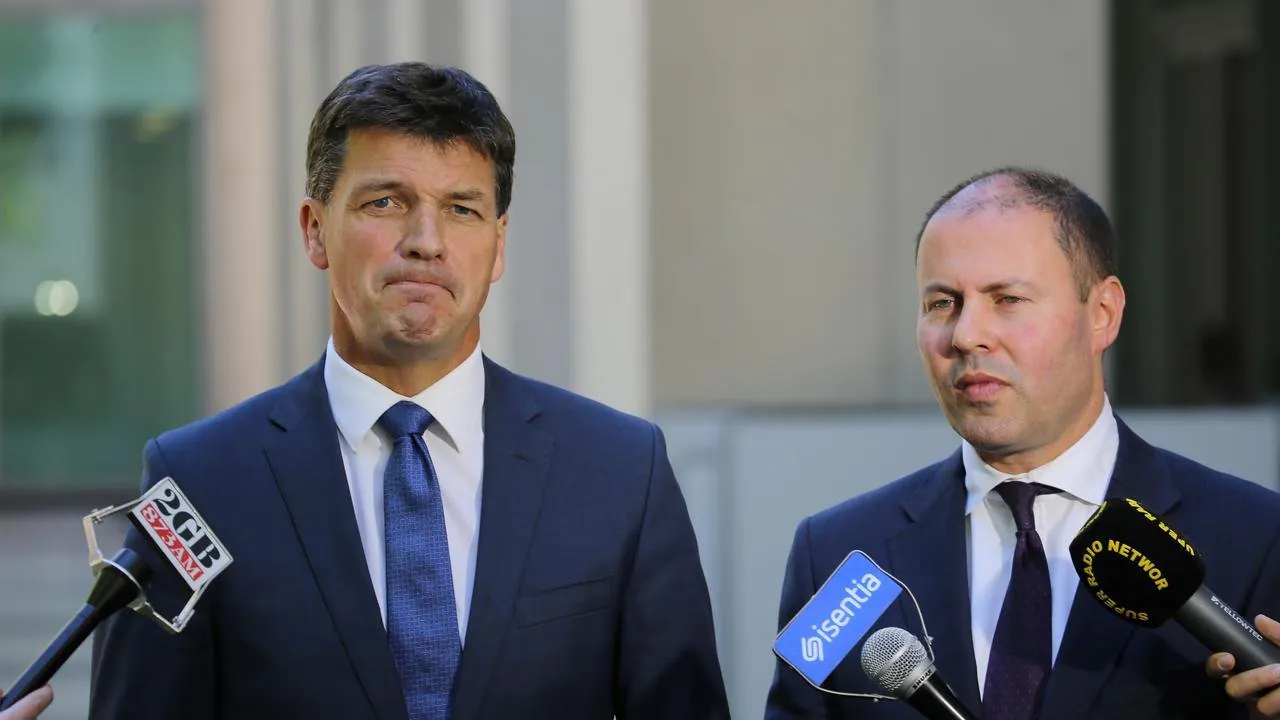
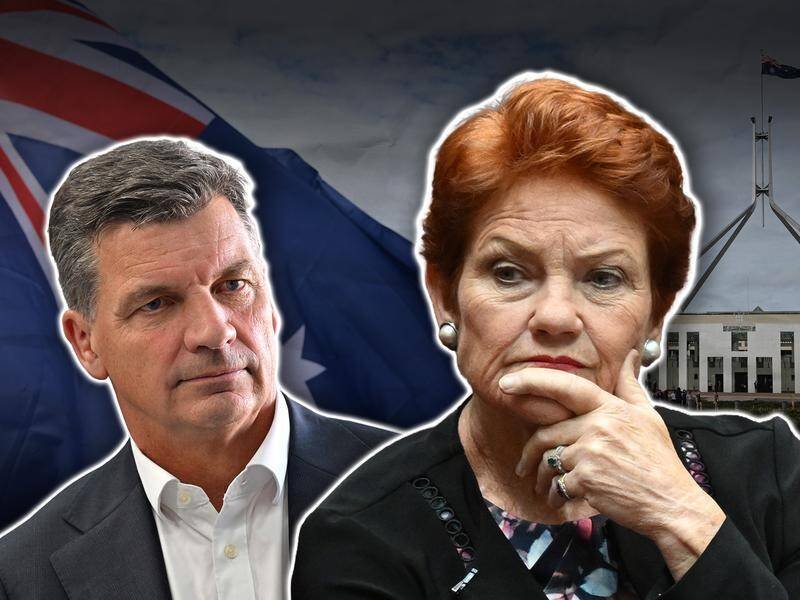
- Angus Taylor’s attendance at the Australian Conservative Political Action Conference (CPAC) has sparked debate about the Liberal Party’s shift to the right and its potential impact on the country’s political landscape.
- Pauline Hanson’s standing ovation at CPAC has cemented her position as a conservative powerhouse, leaving many to wonder if the Coalition can reclaim its traditional base.
- The conference has highlighted the deepening divide between the Liberal Party and One Nation, with some questioning whether the Coalition’s attempt to woo conservative voters will ultimately backfire.
- As the migration debate continues to dominate the headlines, the role of CPAC in shaping the conservative agenda has come under scrutiny, with some arguing it’s a platform for extremist views.
The Australian Conservative Political Action Conference (CPAC) has long been a bastion of conservative ideology, but this year’s event has taken on a new level of significance as the Liberal Party struggles to redefine its place in the country’s political landscape.
Angus Taylor’s decision to attend the conference has been seen as a bold move, marking the first time a sitting Liberal leader has participated in the event.
However, the reception he received was lukewarm at best, with many in attendance seeming to prefer the more outspoken and divisive Pauline Hanson.

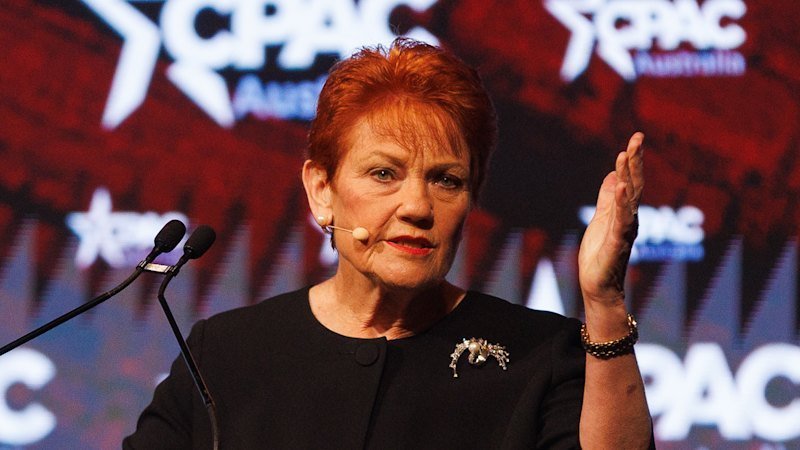
The contrast between Taylor’s and Hanson’s receptions was stark, with the One Nation leader receiving a standing ovation simply for walking onto the stage.
Hanson’s speech was characteristic of her style, delivering sharp jabs at the Liberal Party and its leadership, while also urging voters to abandon the Coalition in favour of her own party.



Taylor, on the other hand, seemed more measured in his approach, pulling his punches when it came to One Nation despite the party’s surge in the polls correlating with the Coalition’s decline.
As the conference got underway, it became clear that the organisers were keen to emphasise the unity between the Liberal Party, Nationals, and One Nation, rather than their differences.
The audience was treated to an introductory video featuring the three party leaders, with the clear intention of promoting a sense of cohesion and shared purpose.
However, the reality on the ground was more complex, with many attendees seeming to oscillate between rapt attention and listlessness, depending on the speaker and the topic at hand.
Throughout the day, the crowd was galvanised by speeches that touched on hot-button issues such as net zero, eSafety commissioner Julie Inman Grant, and Energy and Climate Change Minister Chris Bowen.
The latter was particularly effective in reviving a flagging crowd, with his name being invoked repeatedly as a symbol of everything that’s wrong with the current government.
CPAC chair Warren Mundine even quipped that the mere mention of Bowen’s name gave him “chills”, recounting a visceral reaction when the pair once crossed paths in the street.
But beneath the surface of this apparent unity, there are deep-seated tensions and divisions that threaten to derail the Coalition’s electoral prospects.
The question hanging over the conference was whether the Liberals were witnessing the consolidation of a broader conservative movement or the gradual erosion of their own place at the centre of it.
One unsurprising absence from the CPAC line-up was Liberal frontbencher Andrew Hastie, who has increasingly sought to make the conservative case to voters beyond the Coalition’s traditional base.
As the debate about migration policy continues to dominate the headlines, figures and justifications get easily lost in the noise.
However, one thing is clear: the Coalition’s attempt to position itself as a champion of conservative values has sparked a furious debate about the party’s future direction.
Analysis: What This Means for Australia is that the country is facing a critical juncture in its political history, with the potential for a seismic shift in the balance of power.
Security analysts say that the rise of extremist ideologies and the erosion of trust in institutions pose a significant threat to national security, while law enforcement insiders warn that the increasing polarisation of the debate could lead to social unrest.
Industry observers believe that the economic consequences of this shift could be far-reaching, with the potential for a decline in investment and a brain drain of top talent.
As the Liberal Party struggles to redefine its place in the country’s political landscape, it’s clear that the stakes are high.
The party’s willingness to engage with extremist ideologies and its failure to condemn divisive rhetoric have sparked concerns about the potential for a rise in hate crimes and social unrest.
Meanwhile, the role of CPAC in shaping the conservative agenda has come under scrutiny, with some arguing that it’s a platform for extremist views that have no place in mainstream politics.
As the conference drew to a close, the Australian event’s founder Andrew Cooper painted a vision for a future “Coalition of the willing” between the country’s three conservative political parties.
However, this vision is not without its challenges, and the road ahead will be fraught with difficulty.
As the Liberal Party navigates this complex landscape, it will need to balance its desire to appeal to conservative voters with the need to maintain its credibility and integrity.
The fate of the party, and indeed the country, hangs in the balance, and the outcome is far from certain.
With the migration crisis and housing crisis dominating the headlines, the Liberal Party will need to find a way to address these issues in a way that resonates with voters, while also maintaining its commitment to conservative values.
As the party looks to the future, it will need to navigate the complex web of alliances and rivalries that define the conservative movement, all while keeping a watchful eye on the Australian Bureau of Statistics and the Reserve Bank of Australia.