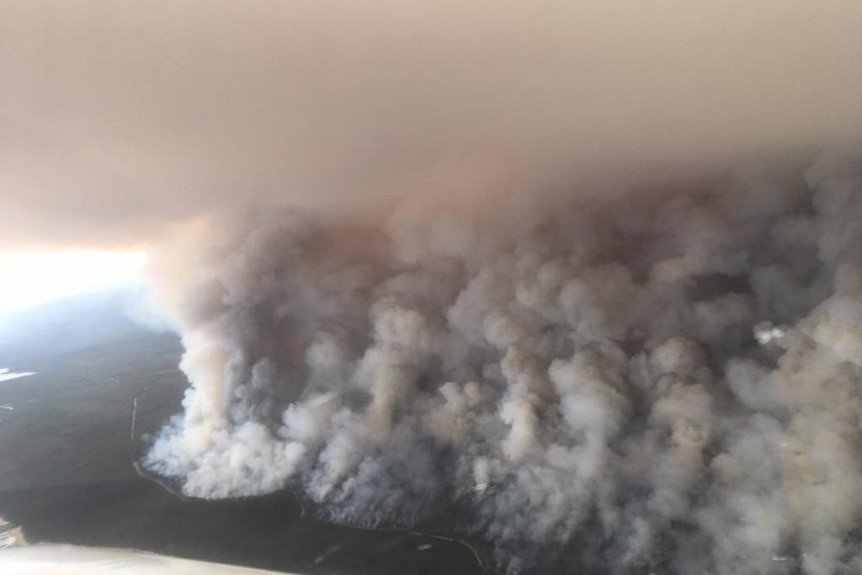
Breaking The Catastrophic Fire Loop: How Restoring Indigenous Cultural Burning Can Save Australia’s Southeast Forests From Inferno
- A groundbreaking study reveals that colonial land use, not just climate change, is to blame for the devastating fires ravaging Australia’s southeast forests
- Researchers have discovered that the traditional cultural burning practices of Indigenous Australians can help break the “catastrophic fire loop” plaguing the region
- The findings come as a stark warning that the country’s most fire-prone forests are stuck in a vicious cycle of hotter fires, shrub growth, and eucalypt recruitment, fuelled by climate change
- Restoring cultural burning practices and supporting Traditional Owners to care for country are deemed essential to mitigating fire risk and saving lives
The southeast forests of Australia are on the brink of disaster, plagued by a “catastrophic fire loop” that threatens to destroy the very fabric of the ecosystem.
But a new study has shed light on a potential solution, one that has been hiding in plain sight for centuries.
By restoring Indigenous cultural burning practices, researchers believe that the country can break the cycle of devastating fires that have become all too familiar in recent years.
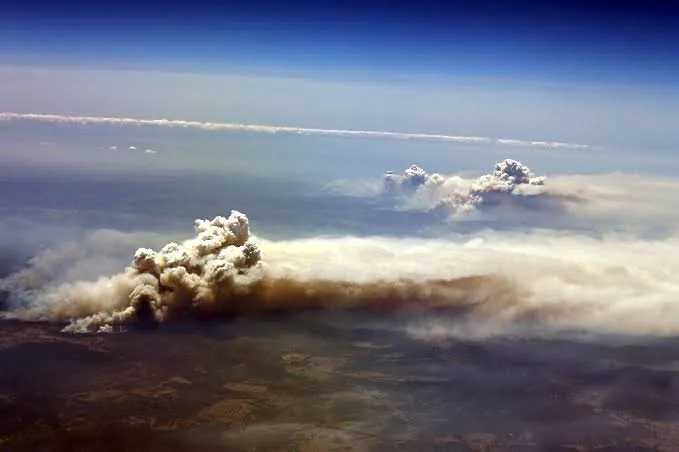
The study, conducted by the University of Melbourne, focused on Victoria’s Croajingolong National Park in East Gippsland, one of the nation’s most fire-prone forests.
By reconstructing the past millennium of vegetation, fire, and erosion in the region, researchers were able to identify the long-term environmental shifts that have contributed to the current crisis.



And what they found was shocking: the crisis is not just about climate change, but about the disruption of traditional land use practices that had been in place for thousands of years.
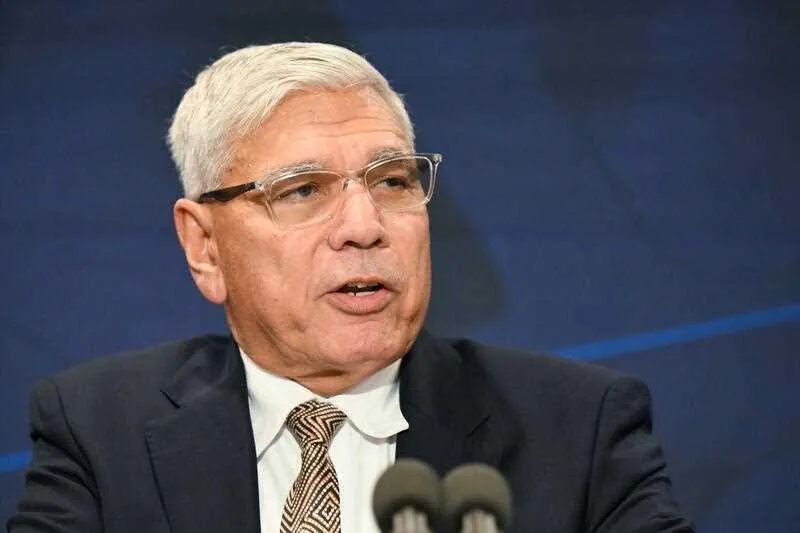
According to lead author Professor Michael-Shawn Fletcher, the key to understanding the current crisis lies in the region’s history.
“Climate records show that seasons of comparably dangerous fire weather, such as those seen during Ash Wednesday and Black Saturday, occurred in the region repeatedly before colonisation, yet the open landscape maintained by cultural burning protected the land from catastrophic fire,” he explained.
The implication is clear: the traditional cultural burning practices of Indigenous Australians were not just a part of their daily life, but a crucial component of the ecosystem’s health.
The study was sparked by the devastating 2019-2020 Black Summer fires, which burned through more than 1.5 million hectares and claimed the lives of five people in Victoria.
As researchers worked with several Aboriginal communities to understand the impact of the fires, they began to develop a conceptual model of the “catastrophic fire loop” that was driving the crisis.
The model suggests that the removal of Aboriginal people from their land and the disruption of traditional fire regimes has led to a vicious cycle of hotter fires, shrub growth, and eucalypt recruitment, fuelled by climate change.
So, what does this mean for Australia?
The answer is clear: the country needs to take a radical new approach to fire management, one that prioritises the restoration of Indigenous cultural burning practices and supports Traditional Owners to care for country.
As Gunaikurnai elder Uncle Russell Mullett explained, “Not treating country with towera (fire) as a part of practical daily life on country makes it extremely dangerous for Gunaikurnai, animals, and plants.” The message is simple: it’s time to listen to the wisdom of Indigenous Australians and work together to save the country’s southeast forests from inferno.
Analysis: What This Means for Australia is clear: the country is at a crossroads.
The continued devastation of the southeast forests is not just an environmental disaster, but a national security threat. The economic and social consequences of inaction will be catastrophic, from the loss of biodiversity to the impact on local communities.
Law enforcement and emergency services will be stretched to the limit, and the country’s reputation as a leader in environmental management will be tarnished.
But by restoring Indigenous cultural burning practices and supporting Traditional Owners to care for country, Australia can break the “catastrophic fire loop” and create a safer, more sustainable future for all.
Security analysts say that the restoration of cultural burning practices is not just a matter of environmental policy, but a critical component of national security. “The devastating fires that have ravaged the southeast forests are not just a natural disaster, but a symptom of a deeper problem,” one analyst explained.
“By restoring Indigenous cultural burning practices, Australia can reduce the risk of catastrophic fires and create a more resilient ecosystem.” Law enforcement insiders warn that the current approach to fire management is not just ineffective, but dangerous, and that a new approach is needed to protect communities and prevent the loss of life.
Industry observers believe that the restoration of Indigenous cultural burning practices is not just a moral imperative, but an economic one. “The cost of inaction will be catastrophic,” one observer explained.
“By investing in the restoration of cultural burning practices, Australia can create jobs, stimulate local economies, and protect the country’s natural resources.” As the country looks to the future, one thing is clear: the restoration of Indigenous cultural burning practices is not just a matter of environmental policy, but a critical component of Australia’s economic and social well-being.
As the nation grapples with the challenges of climate change, it’s clear that the restoration of Indigenous cultural burning practices is a critical step towards creating a safer, more sustainable future.
By working together with Traditional Owners and supporting the restoration of cultural burning practices, Australia can break the “catastrophic fire loop” and protect the country’s southeast forests from inferno.
The time for action is now, and the country must come together to support this critical initiative. environmental policy and indigenous rights are at the forefront of this issue, and it’s essential that Australia gets it right.
Australian Bureau of Statistics data shows that the economic benefits of restoring cultural burning practices will be significant, and University of Melbourne research highlights the critical role that Indigenous knowledge can play in protecting the country’s natural resources.