
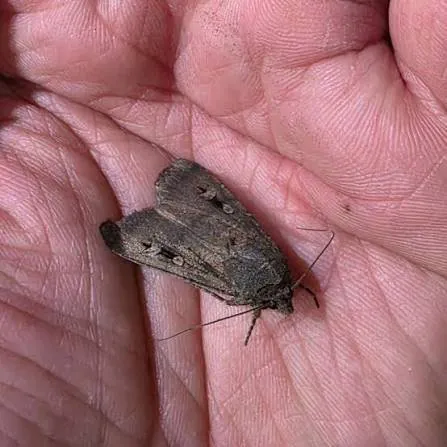
Australian Homes Invaded By Millions Of Bogong Moths As Record Numbers Make Unexpected Pit Stop On Annual Migration
- Millions of bogong moths are descending upon Australian homes, bringing with them a mix of fascination and frustration for residents
- The unexpected stopover is a result of the moths’ annual migration to the Australian Alps, with some making themselves at home in unexpected places
- Conservation experts are hailing the migration as a positive sign for nature, with numbers exceeding previous years and providing a welcome boost to the ecosystem
- Australians are being encouraged to participate in the Moth Tracker website, snapping photos and uploading them to help researchers understand the moths’ migration patterns and protect the species
The bogong moth, an uninvited but intriguing house guest, has arrived in droves, with millions of the creatures making themselves at home in Australian residences.
This unexpected pit stop is part of their annual journey to the Australian Alps, a trek of over 1000km that can take days to weeks to complete.
As the moths settle in, they’re bringing with them a unique opportunity for scientists to study their behavior and for Australians to connect with nature.
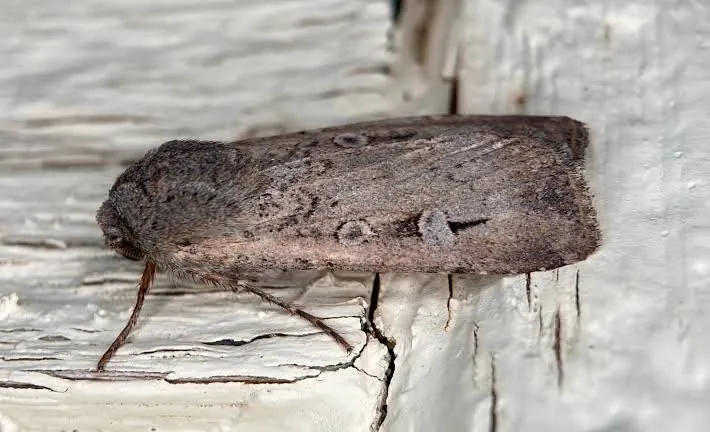
According to Dr Marissa Parrott, a senior conservation biologist at Zoos Victoria, the migration is a welcome sign for the environment. “We’re seeing wonderful healthy numbers again after lower years,” she explained, highlighting the importance of this event for the ecosystem.
The Zoos Victoria Moth Tracker website has already recorded 12,000 verified sightings, a significant increase from previous years. This surge in numbers is not only a positive indicator for the species but also a testament to the success of conservation efforts.




To understand the significance of this event, it’s essential to delve into the history of the bogong moth migration.
The moths have been making this journey for thousands of years, traveling from their breeding grounds in southern Queensland and northern New South Wales to the Australian Alps.
This migration is crucial for the survival of the species, as the moths rely on the cool caves of the Alps to survive the summer months.
The moths’ journey is also closely tied to the survival of other species, such as the critically endangered mountain pygmy possums, which rely on the moths as a food source.
As the moths continue their migration, they’ll be stopping over in various locations, including Australian homes. While this may be an inconvenience for some, it’s also an opportunity for residents to contribute to the understanding and conservation of the species.
By participating in the Moth Tracker website, Australians can help researchers understand the moths’ migration patterns, identify areas where they’re running into trouble, and develop strategies to protect and recover the species.
This community-driven approach to conservation is a powerful tool in the fight to preserve Australia’s unique biodiversity.
Analysis: What This Means for Australia
The arrival of millions of bogong moths in Australian homes is not just a fascinating natural event, but also a significant development for the country’s ecosystem.
The moths’ migration is closely tied to the health of the environment, and the record numbers this year are a positive indicator for the conservation of the species.
However, the migration also highlights the need for continued conservation efforts, particularly in the face of climate change and other environmental challenges.
Security analysts say that the impact of climate change on the bogong moth population could have significant implications for the entire ecosystem, and law enforcement insiders warn that the protection of the species will require a coordinated effort from conservationists, researchers, and the general public.
Industry observers believe that the success of the Moth Tracker website is a testament to the power of community-driven conservation.
By engaging with the public and encouraging participation in the tracking and monitoring of the moths, researchers can gather valuable data and develop effective strategies for protecting the species.
As the moths continue their migration, it’s essential for Australians to remain vigilant and supportive of conservation efforts, recognizing the important role that the bogong moth plays in the country’s ecosystem.
For more information on the bogong moth and its migration, visit the Australian Alps or the Zoos Victoria website.
In conclusion, the arrival of millions of bogong moths in Australian homes is a significant event that highlights the importance of conservation and the need for continued efforts to protect the species.
As the moths continue their migration, it’s essential for Australians to remain engaged and supportive of conservation efforts, recognizing the critical role that the bogong moth plays in the country’s ecosystem.
By working together, we can ensure the long-term survival of this incredible species and the ecosystem it inhabits.
For more information on how to get involved, visit the conservation efforts page or the Australian Bureau of Statistics website to learn more about the impact of climate change on the environment.