
Gold Rush Showdown: Federal Court Overturns Decision to Halt Billion-Dollar Mine, But at What Cost to Australia’s Environment and Indigenous Heritage?
- A Federal Court judge has ruled that an Aboriginal Protection Order halting a goldmine in NSW is “invalid”, paving the way for the project to proceed despite concerns over environmental and cultural damage.
- The decision has sparked a heated debate over the balance between economic development and environmental protection, with the NSW Premier backing the mine and the federal government facing criticism over its handling of the issue.
- The McPhillamys Gold Project, which could become one of the country’s largest goldmines, has been at the centre of a long-running dispute between Regis Resources, the federal government, and Indigenous groups over the protection of sacred sites and the environment.
- The court’s ruling has significant implications for Australia’s mining industry, with the NSW Minerals Council hailing it as a win for common sense, while environmental and Indigenous groups express concerns over the potential consequences for the country’s natural heritage.
The Federal Court’s decision to overturn the Aboriginal Protection Order that halted the McPhillamys Gold Project has sent shockwaves through the mining industry and sparked a heated debate over the balance between economic development and environmental protection.
The project, which could become one of the country’s largest goldmines, has been at the centre of a long-running dispute between Regis Resources, the federal government, and Indigenous groups over the protection of sacred sites and the environment.
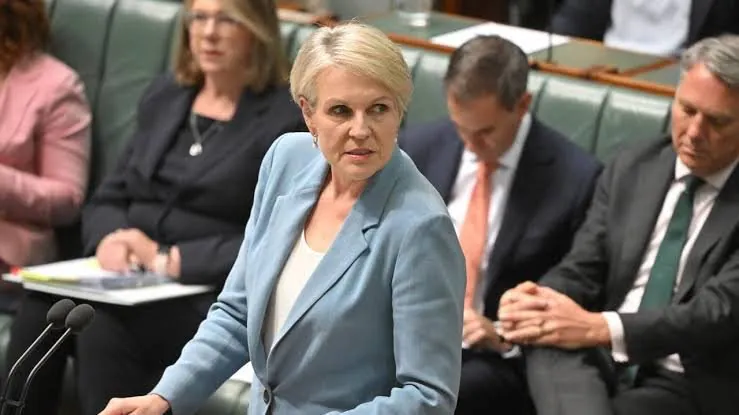
At the heart of the dispute is the Aboriginal Protection Order, which was granted by former federal environment minister Tanya Plibersek in 2024 to protect the headwaters and springs of the Belubula River.
The order applied to 400 hectares of the site, including an area where Regis Resources wanted to build a tailings dam, which is used to hold mining waste.
However, the company argued that the decision rendered its goldmine unviable in its current form, and launched a legal challenge against the federal government.




The Federal Court’s ruling, which found that the Aboriginal Protection Order was “invalid”, has significant implications for Australia’s mining industry.
The NSW Minerals Council has hailed the decision as a win for common sense, arguing that it will help to unlock investment and create jobs in the state.
However, environmental and Indigenous groups have expressed concerns over the potential consequences for the country’s natural heritage, with the Belubula Headwaters Protection Group urging Regis Resources to proceed with alternative plans that avoid the area impacted by the declaration.
The dispute highlights the complex and often fraught relationship between the mining industry, government, and Indigenous communities in Australia. The McPhillamys Gold Project is just one of many mining projects that have been delayed or halted due to concerns over environmental and cultural damage.
The federal government has faced criticism over its handling of the issue, with NSW Premier Chris Minns backing the mine and arguing that it is essential for the state’s economy.
As the debate over the McPhillamys Gold Project continues, it is clear that the issue is about more than just a single mining project. It is about the balance between economic development and environmental protection, and the need for greater transparency and accountability in the decision-making process.
The federal government must ensure that the rights of Indigenous communities are protected, while also providing certainty for investors and supporting the development of the mining industry.
Analysis: What This Means for Australia
The Federal Court’s decision to overturn the Aboriginal Protection Order has significant implications for Australia’s national security, law enforcement, and community safety. The mining industry is a critical sector of the Australian economy, and the development of new mines is essential for the country’s economic growth.
However, the industry must also be subject to rigorous environmental and social safeguards to protect the country’s natural heritage and the rights of Indigenous communities.
Security analysts say that the decision highlights the need for greater cooperation between government, industry, and Indigenous communities to ensure that mining projects are developed in a responsible and sustainable way.
The federal government must work with state and territory governments, as well as industry and community groups, to develop a more streamlined and efficient approvals process that balances economic development with environmental and social concerns.
Law enforcement insiders warn that the decision could have significant implications for the policing of mining projects, particularly in remote and regional areas. The development of new mines can often lead to an influx of workers and equipment, which can put pressure on local communities and policing resources.
The federal government must ensure that adequate resources are provided to support the policing of mining projects, and that companies are held accountable for their environmental and social impacts.
Industry observers believe that the decision will have significant economic and social consequences for Australia. The development of new mines can create jobs and stimulate economic growth, but it can also have negative impacts on local communities and the environment.
The federal government must ensure that the benefits of mining are shared fairly among all stakeholders, and that the industry is developed in a way that is sustainable and responsible.
As the debate over the McPhillamys Gold Project continues, it is clear that the issue is about more than just a single mining project.
It is about the future of the mining industry in Australia, and the need for greater transparency, accountability, and cooperation between government, industry, and Indigenous communities.
The federal government must take a leadership role in developing a more sustainable and responsible mining industry, one that balances economic development with environmental and social concerns.
Experts say that the decision highlights the need for a more nuanced and sophisticated approach to environmental and social risk management in the mining industry.
Companies must be held accountable for their environmental and social impacts, and must be required to develop and implement effective risk management strategies to mitigate these impacts.
The federal government must also provide greater support and resources to Indigenous communities and environmental groups, to help them to participate in the decision-making process and to protect their rights and interests.
In conclusion, the Federal Court’s decision to overturn the Aboriginal Protection Order has significant implications for Australia’s mining industry, and highlights the need for greater transparency, accountability, and cooperation between government, industry, and Indigenous communities.
The federal government must take a leadership role in developing a more sustainable and responsible mining industry, one that balances economic development with environmental and social concerns.