
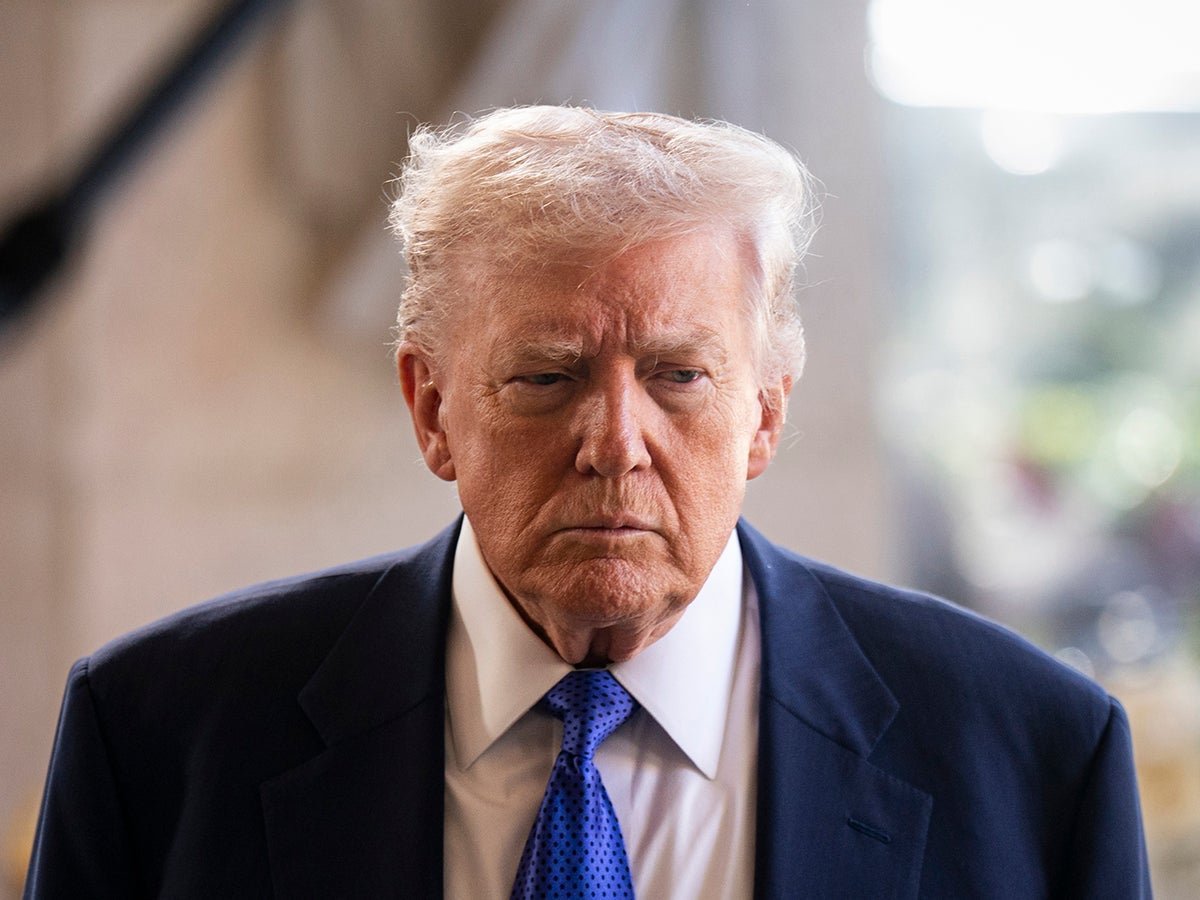
‘Brilliant’? Trump’s Bizarre Boast About His Iran War Backfires As US Voters Revolt, Leaving Australian Families to Pay the Price for a Conflict Canberra Never Saw Coming
- Donald Trump described the grinding nine-month war in Iran as a “brilliant situation” only hours before American voters handed his party a humiliating midterm defeat.
- Republican heartlands including Texas, Iowa and Kansas turned on the President as anger over fuel prices and another long overseas conflict boiled over.
- Treasurer Jim Chalmers says Australians have become cost-of-living casualties of decisions made in Washington and Tehran, days after a fifth interest rate rise this year.
- With the RBA warning the coming year could feel like a recession, Labor faces an agonising choice between cutting too little and cutting too hard.
Somewhere in an Australian suburb tonight, a family is staring at a mortgage statement that has jumped five times in a single year.
They did not vote in America’s midterms. They have never set foot in the Persian Gulf.
Yet the war being waged there, and the political earthquake now shaking Washington, are landing squarely on their kitchen table.
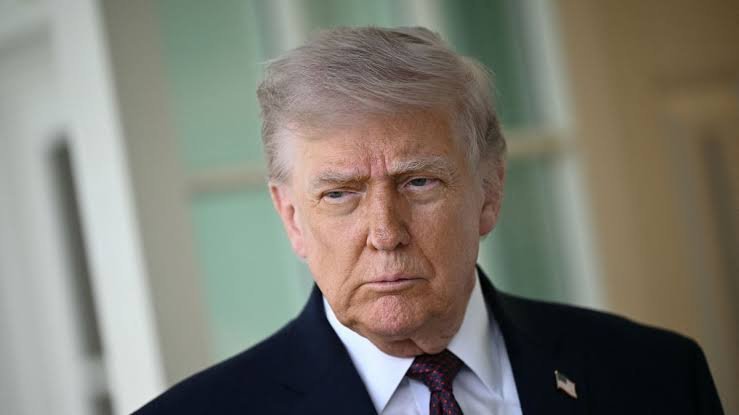
And the man who started it all says things are going brilliantly.
In an interview with The Financial Times on the eve of the midterm count, Donald Trump insisted his administration seemed to be getting everything it wanted from the Iran campaign.
He pointed to oil once again moving through the Strait of Hormuz as proof the strategy was working.
Within hours, American voters delivered a very different verdict.
Across states long considered safe Republican territory, among them Texas, Iowa and Kansas, the President’s party was punished at the ballot box. Exhausted by soaring energy bills and wary of yet another open-ended foreign war, voters sent a blunt message to the White House.
Mr Trump has since pointed to the Iran conflict as the reason for the losses, and quickly promised to cooperate with Democrats in Congress. Whether that olive branch survives the coming weeks is anybody’s guess.
The deeper question is what a bruised and notoriously erratic commander-in-chief does next.
Inside his administration, the battle lines are already drawn. Vice-President JD Vance is understood to favour pulling back and striking a negotiated deal.
Defense Secretary Pete Hegseth is reported to be pushing the opposite way, toward a heavier and more sustained bombing campaign.
Mr Trump’s own rosy assessment hints he may simply prefer to drift along with the status quo. The election result has made that path far more difficult to defend.
For Canberra, none of this is academic.
When the US first launched strikes designed to stop Tehran acquiring nuclear weapons, the Albanese government lined up in support. What it did not foresee was the economic fallout, nor a conflict that would stretch to nine months with no end in sight.
That calculation has now soured badly, and the tone from Australia’s leaders has hardened accordingly.
Analysis: What This Means for Australia
The Iran war has become, in effect, an imported tax on every Australian household.
Jim Chalmers, acting with the blessing of his cabinet colleagues, has led an increasingly pointed campaign of criticism.
Speaking to Radio National, the Treasurer said that if economics alone were the measure, he would want the Middle East war over immediately, arguing ordinary Australians were bearing the cost of living burden for choices made in DC and Tehran.
Expect that rhetoric to grow louder now that Mr Trump has been politically wounded at home.
But there is a trap. The harder the Treasurer points overseas, the more he risks appearing to dodge responsibility for inflation on his own watch.
The Reserve Bank of Australia has made that case awkward.
This week’s hike, the fifth of 2026, was not driven by the direct effect of oil prices, Governor Michele Bullock said, but by pressure on domestic capacity.
Still, nobody at Martin Place pretends crude prices are irrelevant. They clearly feed into the picture.
Ms Bullock has warned the next 12 months will feel like a recession. That stark message leaves the government with nowhere to hide on inflation.
Labor has promised spending cuts in next month’s mid-year budget update, now shaping as one of the most consequential fiscal statements of the term. Yet ministers are deeply nervous about swinging the axe too hard.
The housing market slump has proven steeper than forecast when changes to negative gearing and capital gains tax were unveiled in May. Falling prices on their own are not the worry.
The hit to already fragile consumer confidence and spending is.
Compounding the anxiety, there are fears inside government that the jobs market is weakening faster than predicted.
That explains Labor’s reluctance to commit to “net savings”. Anthony Albanese remains confident interest rates and inflation will fall before the 2028 election.
A recession on the way there is not part of the plan.
So the government is boxed in. Trim too little and look soft on inflation.
Slash too deep and risk tipping a fragile economy into genuine downturn.
Even the central bank concedes it is flying partly blind. Ms Bullock admitted after this week’s decision that forecasts are uncertain and circumstances shift, adding a candid shrug about what might come next.
Now a wounded, unpredictable US President has been added to that volatile mix.
Security analysts say Australia’s early endorsement of the strikes has left it exposed, tied to a campaign it has little power to steer but whose consequences it cannot escape.
Any escalation in the Gulf, they warn, could send energy costs surging again and further strain Australia’s fuel security.
Economic observers believe the midterm shock could cut both ways. A President chastened by voters may be pushed toward a settlement that eases oil prices.
Equally, a leader who feels cornered might reach for a more aggressive military option to reassert his authority.
Political insiders caution that dismissing Mr Trump as a lame duck would be a serious mistake. His capacity to upend markets and alliances with a single decision remains intact, regardless of what happened in Congress.
Industry figures say businesses already squeezed by higher borrowing costs and softer demand are watching Washington as closely as they watch the RBA, aware that a single escalation could undo months of careful planning.
Community advocates warn the human toll is already visible, in families cutting back on essentials and first-home buyers watching their prospects evaporate.
For the Albanese government, the coming weeks will be defined by forces largely beyond its control: a fractured White House, a volatile oil market and a domestic economy teetering on a knife edge.
Mr Trump may call the situation brilliant. In Canberra, few would choose that word.