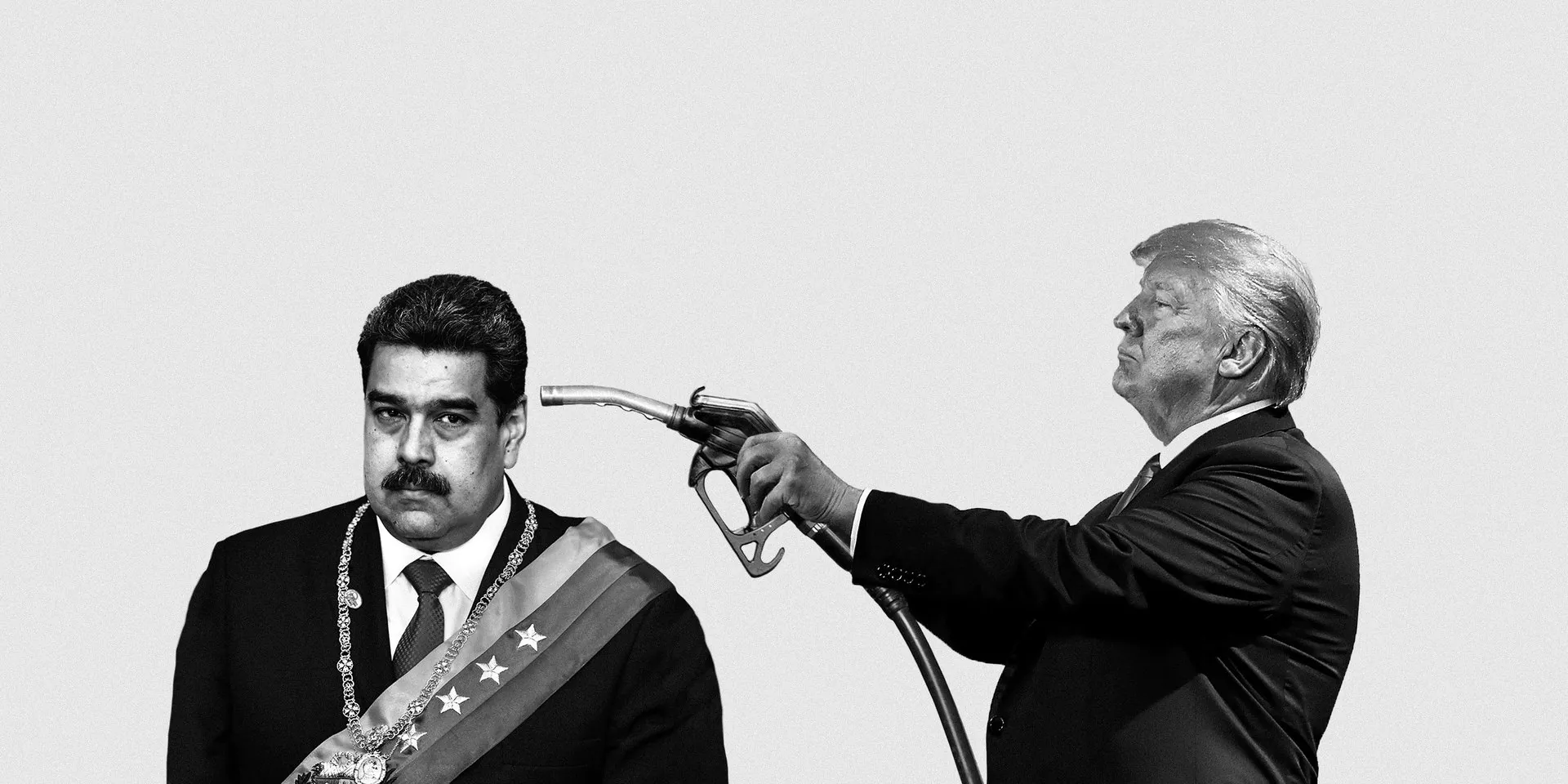
‘Venezuela’s Oil Nightmare: Can Australia Trust the Troubled Nation to Plug the Global Supply Gap?’
- Venezuela, sitting on 303 billion barrels of oil, could be the answer to the global supply crisis, but its crippled industry is a major concern.
- Experts warn it will take at least five years and a $100 billion investment to reverse decades of neglect and corruption.
- The US has eased sanctions, allowing foreign companies to buy and refine Venezuelan crude, but major oil companies are hesitant to commit due to concerns over the country’s legal and commercial frameworks.
The news of Venezuela’s oil reserves is music to the ears of those desperate to plug the global supply gap. But the reality on the ground tells a different story.
Decades of mismanagement, corruption, and sanctions have left the nation’s oil industry in shambles. Venezuela, once a top producer, is now a shadow of its former self, with aging pumps, leaking pipelines, and decaying infrastructure.
As the world grapples with the largest supply disruption in history, attention turns to Venezuela’s potential to step up and fill the gap. But can Australia trust this troubled nation to come to the rescue?
The answer is a resounding “maybe.” Venezuela has the resources, but it lacks the infrastructure and investment to make a significant impact.
In the early 1970s, Venezuela was one of the world’s top producers, pumping as much as 3.75 million barrels of crude oil per day. But years of neglect and mismanagement have reduced the nation’s output to a fraction of that.



Today, Venezuela exports a mere 250,000 barrels of oil a day, down from its peak.
The industry has suffered from a lack of maintenance and a massive brain drain.
In the early 2000s, former President Hugo Chávez co-opted the state oil company to fund his socialist revolution, leading to the sacking of 18,000 employees – almost 40 per cent of the workforce.
Over the next two decades, the state oil company was essentially gutted, with technocrats replaced by party hacks.
Today, the disrepair is visible everywhere.
Around Lake Maracaibo, the birthplace of Venezuela’s oil story, mechanical pump jacks still pull thick sour crude up from the ground, but aging pipelines regularly leak crude into the lake’s waters, damaging fishermen’s nets and boats.
In the nearby city of Cabimas, pieces of infrastructure that would have been part of Venezuela’s industry sit in a junkyard, ready to be sold for scrap.
Analysis: What This Means for Australia
The implications of Venezuela’s oil industry woes are far-reaching, and Australia is not immune. As the global supply gap widens, the nation’s energy security is at risk.
If Venezuela cannot step up and fill the gap, Australia may be forced to rely on more expensive and less reliable sources of oil. This could have a significant impact on the nation’s economy and national security.
Security analysts warn that Venezuela’s oil industry is a ticking time bomb, with the potential to disrupt global energy markets and threaten national security. “Venezuela’s oil industry is a major concern for Australia,” said one analyst.
“If it’s not addressed, it could have serious implications for our energy security and economy.”
Law enforcement insiders also warn that Venezuela’s oil industry is vulnerable to corruption and criminal activity, which could have far-reaching consequences for Australia. “Venezuela’s oil industry is a hotbed of corruption and criminal activity,” said another analyst.
“If we’re not careful, it could compromise our national security and economy.”
Industry observers believe that it will take at least five years and a significant investment to reverse decades of neglect and corruption. But even then, there are no guarantees.
As one expert noted, “Venezuela’s oil industry is a complex issue, and there’s no quick fix. It will take time, effort, and investment to get it back on track.”
In the meantime, Australia must be prepared to take a long, hard look at its energy security and consider alternative sources of oil. The nation cannot rely on Venezuela to come to the rescue, and it must be prepared to take matters into its own hands.
As one analyst noted, “Australia must take a proactive approach to energy security. We can’t rely on Venezuela or any other country to solve our energy problems.”