Iran’s Soccer Stars Defy Regime’s Intimidation Tactics, Find Refuge with Brisbane Roar Amid Asylum Drama
- Iranian soccer players Atefeh Ramezanisadeh and Fatemeh Pasandideh train with Brisbane Roar without hijab and neck-to-ankle uniform, sparking hope for their asylum bid
- Five teammates have withdrawn asylum claims and returned to Iran, citing intense pressure from the regime and threats to their families
- Australia has designated the Iranian Revolutionary Guard Corps (IRGC) as a state sponsor of terrorism, raising concerns about the safety of the remaining players
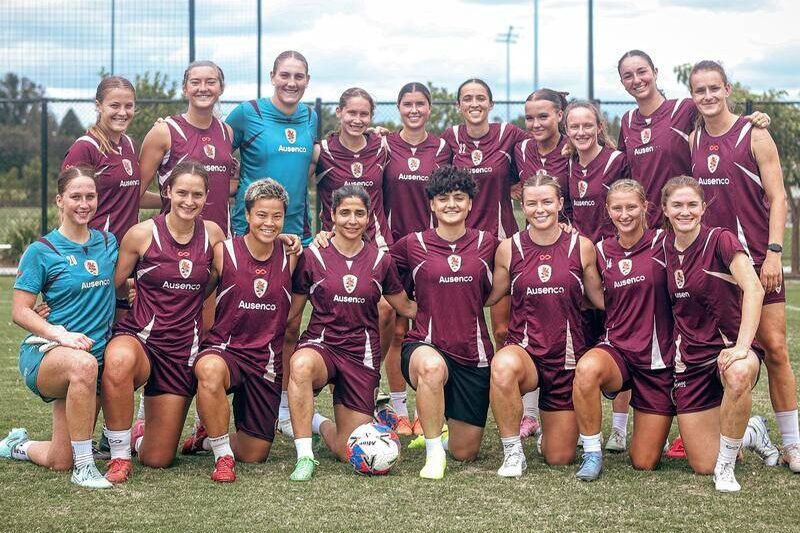
The two remaining Iranian soccer players seeking asylum in Australia, Atefeh Ramezanisadeh and Fatemeh Pasandideh, have found a temporary reprieve with Brisbane Roar, training with the A-League club without the hijab and neck-to-ankle uniform required by the Iranian regime.
The move has sparked hope for their asylum bid, even as their teammates have faced intense pressure to return to Iran.
The 33-year-old Ramezanisadeh and 21-year-old Pasandideh were pictured with huge smiles as they trained with the Brisbane Roar squad, a stark contrast to the fear and intimidation they faced in Iran.
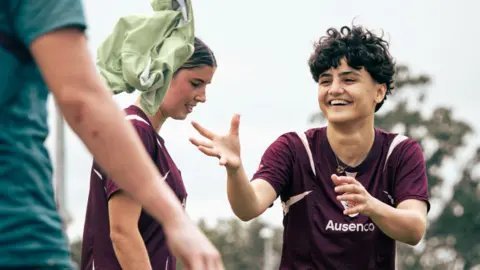
The club’s CEO, Kaz Patafta, welcomed the duo, saying, “Today, Brisbane Roar officially welcomed both Fatemeh Pasandideh and Atefeh Ramezanisadeh to the club’s training facilities to take part in training with our A-League Women squad and remain committed to providing a supportive environment for them whilst they navigate the next stages.”
The images emerged a day after Iran captain Zahra Ghanbari became the fifth member of the team to withdraw her asylum claim and leave Australia.
Her decision was hailed by the Iranian state news agency IRNA as a coup for the under-siege regime, but human rights activists claim the players’ families were being targeted by the regime.
A staff member granted asylum has been passing on threats from the Iranian regime to players, according to Iranian Society of Queensland vice-president Hadi Karimi.
He alleged that one of the players had communicated that her family had been kidnapped, and that the regime was using “intense and systematic pressure” to force the athletes to comply.
Analysis: What This Means for Australia
The situation highlights the challenges Australia faces in balancing its humanitarian obligations with the need to protect its national security. The Iranian regime’s tactics have sparked concerns about its influence in Australia, and the government’s ability to keep its citizens safe.
The fact that the IRGC has been designated as a state sponsor of terrorism raises questions about the level of risk posed by the regime’s activities in Australia.
Security analysts say the incident underscores the need for Australia to take a firm stance against the Iranian regime’s human rights abuses and to provide adequate support to those seeking asylum.
“The Australian government must ensure that it is doing everything in its power to protect these athletes and their families from the Iranian regime’s intimidation and coercion,” said one expert.
Law enforcement insiders warn that the incident also highlights the need for greater vigilance in monitoring the activities of foreign regimes in Australia, particularly those with a history of human rights abuses.
“The Iranian regime’s tactics are a clear example of the kind of threats that Australia faces, and we need to be prepared to respond accordingly,” said a senior law enforcement official.
The situation also raises questions about the impact on Australian communities, particularly those with ties to Iran. The Iranian-Australian community has been vocal in its support for the players, with many calling for greater action from the government to protect them.
“We need to stand up to the Iranian regime’s bullying and support those who are seeking freedom and protection in Australia,” said one community leader.