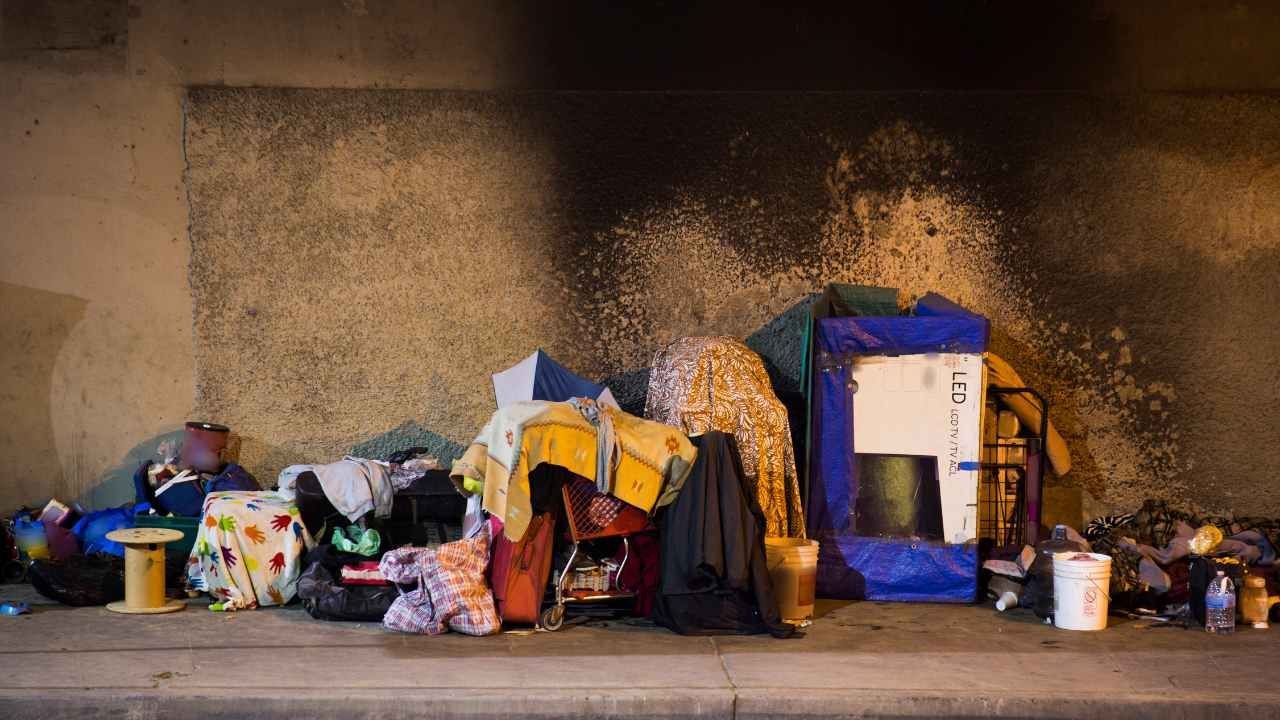
Flooded Lives Left in Ruin: Shocking Report Reveals Poverty Crisis in Wake of 2022 Victorian Floods
- Households in flood-affected areas suffered a staggering $22,818 drop in yearly disposable income compared to those in unaffected areas.
- Maree Tancred, a flood victim, lost her home and belongings, and was forced to navigate a nightmare of red tape and exorbitant rental costs.
- The Ripple Effects report exposes a desperate need for community preparedness and investment in long-term recovery to prevent poverty and hardship from spiraling out of control.
The 2022 Victorian floods left a trail of devastation in their wake, and a new report has revealed the shocking extent of the poverty crisis that followed.
The Ripple Effects report, co-published by the Victorian Council of Social Service (VCOSS) and the University of Melbourne, paints a dire picture of the financial distress faced by those affected by the floods.
Maree Tancred, from Mooroopna in Victoria’s north, is just one of the many victims who lost everything in the floods. Her home was inundated with water for eight days, leaving her family with nothing.
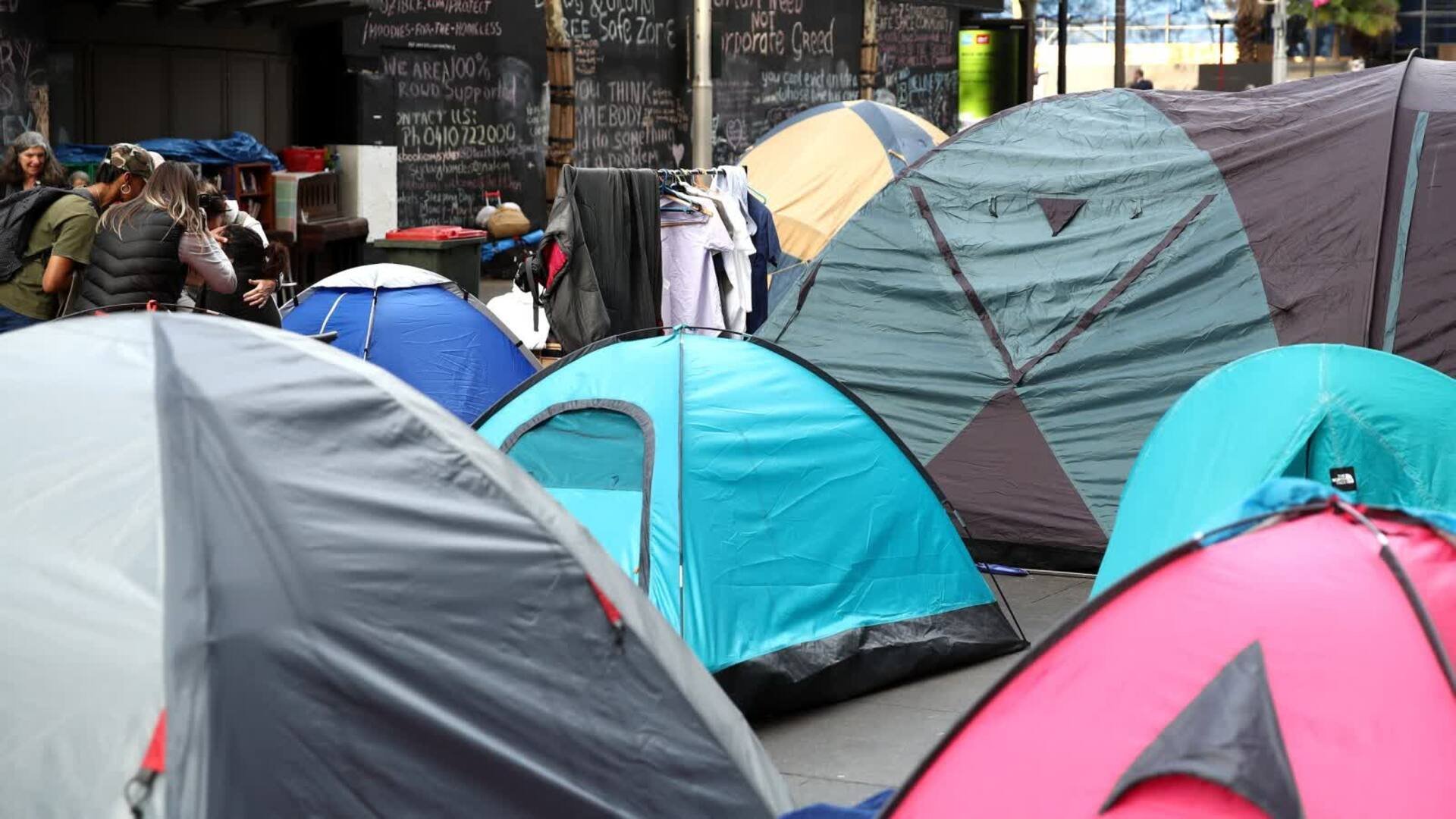
The experience was, in her words, “devastation,” “frustration,” and “something you never expected to happen.”
The Tancred family’s story is a harrowing one. They lost their home of 23 years, all their belongings, and were forced to rebuild their lives from scratch.

The insurance company took 18 months to tell them they would have to demolish their home, and they were left to navigate the exorbitant costs of the rental market.
Maree’s husband, who worked for himself, lost all his tools in the floods, affecting his income. The family was forced to rely on Maree’s full-time job to get by.
In addition to the financial struggles, the Tancreds were still required to pay land tax on the flooded block, along with rates and water. It was a never-ending nightmare.
In the end, they decided not to rebuild and took a payout, buying another home in the area. But the experience has left its mark.
“You still feel the impact today,” Maree said.
The Ripple Effects report reveals that the Tancreds’ story is far from unique.
The report found that 59% of regional flood areas had above-average rates of poverty, with a significant increase in unemployment and a need for income support.
People experiencing socioeconomic disadvantage were more likely to live in the regional flood-affected areas, and those in affected areas had a yearly disposable income of $22,818 lower than those in comparable homes in unaffected areas.
The report also found that the floods exacerbated the pressures on Victorians who had already experienced the downturn caused by the COVID-19 pandemic and the 2019-2020 bushfires.
In places like Rushworth, Wodonga, Mooroopna, Robinvale, and Seymour, more than one in six people were experiencing poverty.
Analysis: What This Means for Australia
The Ripple Effects report is a stark reminder of the devastating impact of natural disasters on Australian communities. The report’s findings have significant implications for national security, law enforcement, and community safety.
It highlights the need for increased investment in community preparedness and long-term recovery to prevent poverty and hardship from spiraling out of control.
Security analysts say that the report’s findings are a wake-up call for the government to take a more proactive approach to disaster preparedness and recovery.
“The current system is reactive, not proactive,” said one expert. “We need to invest in community preparedness and long-term recovery to prevent poverty and hardship from spiraling out of control.”
Law enforcement insiders warn that the report’s findings are a recipe for social unrest and community discontent. “When people are struggling to make ends meet, they become desperate,” said one insider.
“We need to address the root causes of poverty and hardship to prevent social unrest.”
Industry observers believe that the report’s findings are a call to action for the government to rethink its approach to disaster recovery. “We need to invest in community-led recovery initiatives that put the needs of the community first,” said one observer.
The Ripple Effects report is a sobering reminder of the devastating impact of natural disasters on Australian communities.
It’s a call to action for the government to take a more proactive approach to disaster preparedness and recovery, and to invest in community-led initiatives that put the needs of the community first.