Car Crisis: Nissan Australia Slashes Models and Sales as Competition Reaches Boiling Point
- Nissan to axe Pathfinder and Juke models due to strict emissions targets
- Starting price of Qashqai increases by nearly 60% to meet government standards
- New Nissan Leaf electric vehicle deferred indefinitely due to cutthroat competition
Nissan Australia is set to slash models and reduce sales in a desperate bid to stay afloat in a market its outgoing boss describes as “one of the most competitive in the world”.
The drastic measures come as the company grapples with increasingly strict emissions targets introduced by the Albanese Government.
Andrew Humberstone, who finishes as managing director of Nissan Oceania this week, has warned that the Australian market is particularly tough and that “it’ll be interesting to see who survives and who doesn’t”.
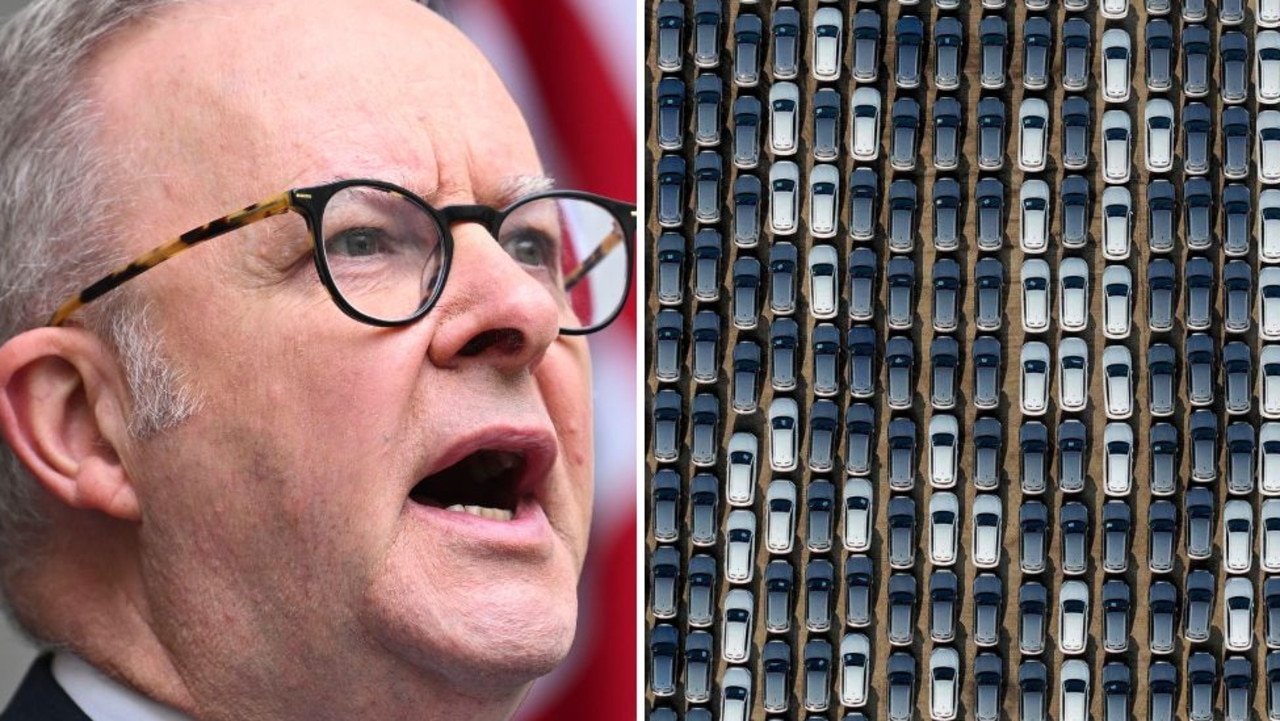
The company’s decision to cut the Pathfinder, Juke, Leaf, and non-hybrid Qashqai models from showrooms will not lead to an increase in sales, with deliveries already falling by 21.6% last year and almost 45% in the first two months of 2026.
The move is a significant blow to buyers on a budget, with the starting price of the Nissan Qashqai increasing by nearly 60% since the Albanese Government won office in May 2022.



The price hike has seen the purchase price rise from $30,000 to $50,000, making it unaffordable for many Australians.
Humberstone has conceded that the company has to address the New Vehicle Efficiency Standards (NVES) and that the only way to do that is through hybrids or e-Power technology.
The cut-throat competition in the electric vehicle space has also led to the indefinite deferral of the new Nissan Leaf, which was touted as a game-changer for the company.
The decision is a significant setback for Nissan, which has struggled to gain traction in the electric vehicle market.
Humberstone has defended the company’s decision, saying that “sometimes less is a lot more profitable” and that the brand’s restructure is “a cleansing process” necessary to shore up the company’s local future.
Dealers will be hoping that the new Nissan Navara, a reskinned version of Mitsubishi’s Triton, can turn the ship around.
The brand’s shifting showrooms follow a tumultuous period for a company that was reportedly on the brink of bankruptcy in late 2024.
An attempted merger with Honda failed in 2025, and now Honda is in deep trouble – losing billions and cutting model lines as it wrestles with shifting government regulations and the rise of Chinese brands.
Analysis: What This Means for Australia
The decision by Nissan Australia to slash models and reduce sales has significant implications for the country’s automotive industry. The move is a clear indication that the company is struggling to compete in a market that is increasingly dominated by Chinese brands.
The rise of these brands has led to a glut of cheap imports, making it difficult for established players like Nissan to stay afloat.
Security analysts say that the influx of Chinese brands poses a significant threat to national security, as many of these companies have ties to the Chinese government.
The lack of transparency and accountability in the Chinese automotive industry raises concerns about the safety and security of these vehicles.
Law enforcement insiders warn that the proliferation of cheap imports also poses a risk to public safety, as many of these vehicles do not meet Australian safety standards.
The lack of regulation in the industry has created an environment where substandard vehicles can be sold to unsuspecting consumers, putting lives at risk.
Industry observers believe that the decision by Nissan Australia is a sign of things to come, with many other established brands likely to follow suit. The rise of Chinese brands has disrupted the global automotive industry, and Australia is not immune to this trend.
The government needs to take action to protect the local industry and ensure that consumers are not put at risk by substandard imports.
Humberstone’s prediction that another 30 or so new Chinese brands will arrive in Australia in coming years has sent shockwaves through the industry.
The Nissan executive has warned that people should think carefully before choosing an emerging car manufacturer that does not have roots in Australia, citing concerns about residual value protection and part supply.
The Australian automotive business is set to become “insane” in the coming years, with 100 brands competing for a market share of 300,000 cars.
It remains to be seen who will survive and who will not, but one thing is certain – the industry will be forever changed by the rise of Chinese brands.