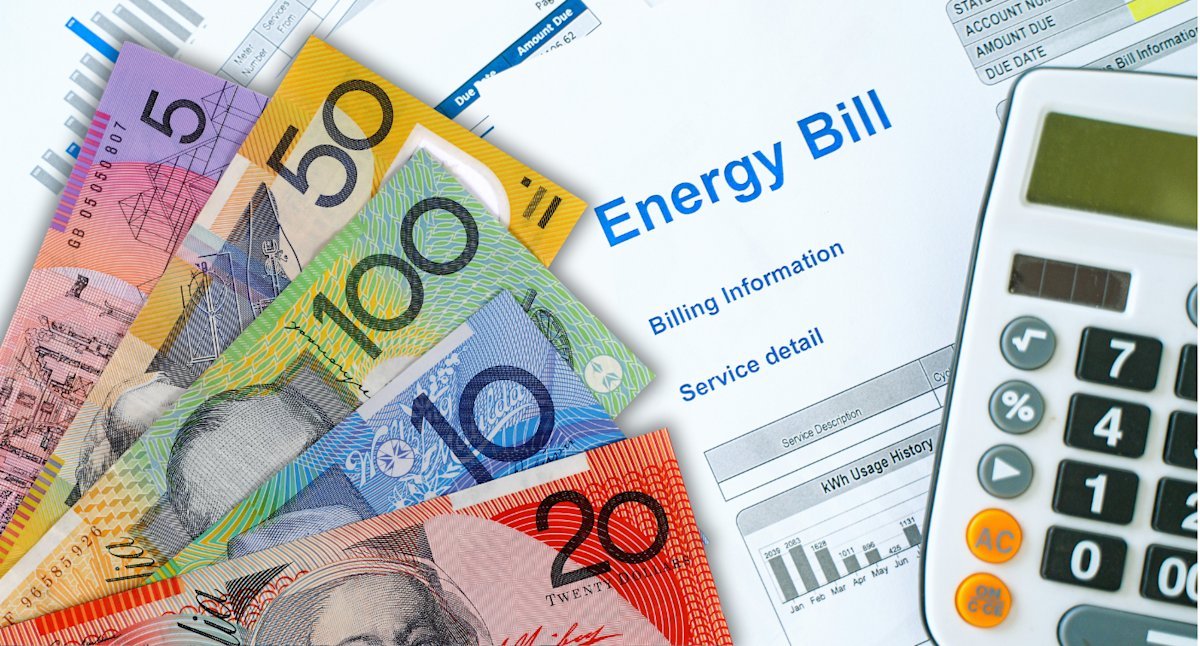
Australian Households Bracing for Devastating ‘Triple Whammy’ of Bills as Cost of Living Crisis Worsens
- Australians face a perfect storm of financial pain as health insurance premiums, energy bills, and interest rates skyrocket
- The average mortgage-paying household could be slugged with over $2,000 in extra costs per year, experts warn
- The Albanese government’s policies and the RBA’s interest rate rise will hit households hard, with many already struggling to make ends meet
The cost of living crisis in Australia is about to take a devastating turn for the worse, with households bracing for a “triple whammy” of bills that could leave them reeling.
The perfect storm of rising health insurance premiums, energy bills, and interest rates is set to hit Australians on April 1, with the average mortgage-paying household facing an additional $2,000 in costs per year.
According to insurance broker Compare Club, the combination of these factors will have a crippling effect on household budgets, with many already struggling to make ends meet.
“April 1 is shaping up to be one of the toughest single days for household budgets we’ve seen in years,” said Kate Browne, head of research at Compare Club.
“When you stack a rate rise, higher health premiums, and the end of energy rebates on top of each other, you’re looking at more than $2,000 in additional annual costs landing at once, and that’s on top of everything Australians are already absorbing.”

The Reserve Bank of Australia’s (RBA) decision to lift the cash rate to 4.1 per cent on March 17 has already had a significant impact on mortgage holders, with all four major banks passing on the increase in full.
This has added around $120 a month to repayments on the average $736,000 home loan, equivalent to $1,440 a year.
Meanwhile, the average health insurance premium is set to rise by 4.41 per cent on April 1, adding between $80 and $160 to annual costs, depending on the level of cover.
The end of the $450 annual government energy rebate, which households received from 2024 to December last year, is also set to hit hard. The first unrebated quarterly bills are arriving in letterboxes this week, leaving many Australians wondering how they will cope with the increased financial burden.
According to Compare Club’s Financial Stress Index in March, more than a third of Australians (38 per cent) said they were financially worse off than the year before, with 43 per cent relying on credit to cover everyday household bills.
Analysis: What This Means for Australia
The triple whammy of bills will have far-reaching consequences for Australian households, with many already struggling to keep up with the rising cost of living.
The RBA’s interest rate rise and the Albanese government’s policies will disproportionately affect low- and middle-income earners, who will be forced to make tough choices about how to allocate their limited budgets.
The impact on national security is also a concern, as households are forced to divert funds away from essential services and into debt repayment.
Security analysts warn that the increased financial pressure on households will lead to a rise in crime, as desperate individuals turn to illegal activities to make ends meet.
Law enforcement insiders also warn that the increased burden on households will lead to a rise in domestic violence and other social problems. Industry observers believe that the government’s policies will lead to a decline in consumer spending, which will have a flow-on effect on the economy.
Experts are urging Australians to take action to mitigate the impact of the triple whammy of bills. “You can’t control the rate rise, but you can fight back on other bills,” said Kate Browne.
“Switching energy providers can save hundreds a year, and reviewing your health insurance could put another $300 back in your pocket.”
As the cost of living crisis continues to worsen, Australians are being forced to get creative in order to make ends meet. With the triple whammy of bills set to hit on April 1, it’s clear that the situation will only get worse before it gets better.
As the government and RBA continue to grapple with the economic fallout, one thing is certain – Australian households are in for a world of financial pain.