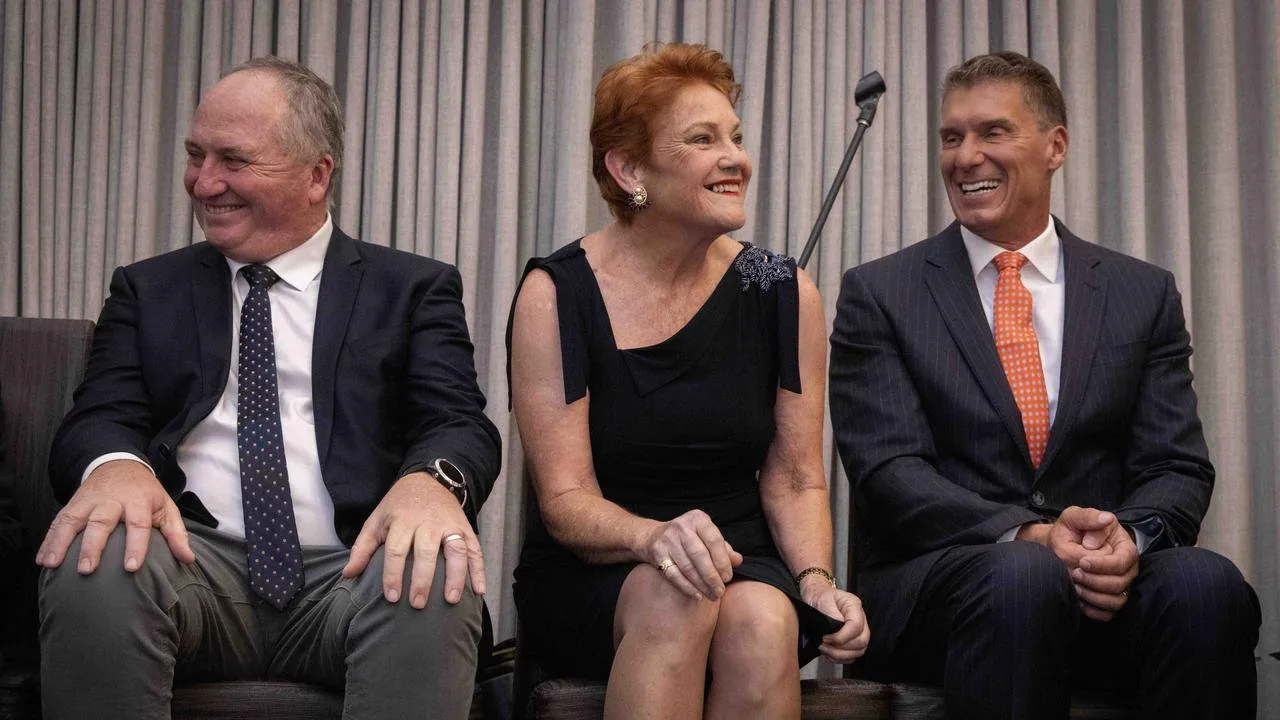
Pauline Hanson’s $100,000 Pay Rise: One Nation’s Shocking Surge to Power
- Pauline Hanson’s annual salary set to skyrocket to $310,000 as One Nation secures minor party status
- Barnaby Joyce’s defection from the National Party triggers a wave of support for One Nation, bolstering its parliamentary presence
- Hanson demands doubled staffing allocation, threatening to upend the balance of power in Canberra
The Australian political landscape has been rocked by a shocking development: Pauline Hanson’s One Nation has secured minor party status, catapulting her annual salary to a staggering $310,000.
The boost comes courtesy of Barnaby Joyce’s high-profile defection from the National Party, which has injected new life into One Nation’s parliamentary presence.
One Nation’s surge to power has been nothing short of meteoric. The party’s rise has been fuelled by a groundswell of support across the country, with recent polling showing a significant increase in voter backing.
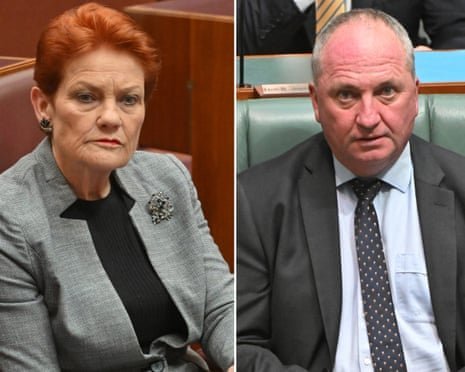
The South Australian election was a testament to this momentum, with One Nation recording a sharp rise in its primary vote, including an 18 per cent swing from the Liberals.
The party’s strengthened position has emboldened Hanson, who has wasted no time in requesting additional resources to bolster her office. She has formally asked Prime Minister Anthony Albanese to double her staffing allocation, bringing it in line with the Greens.
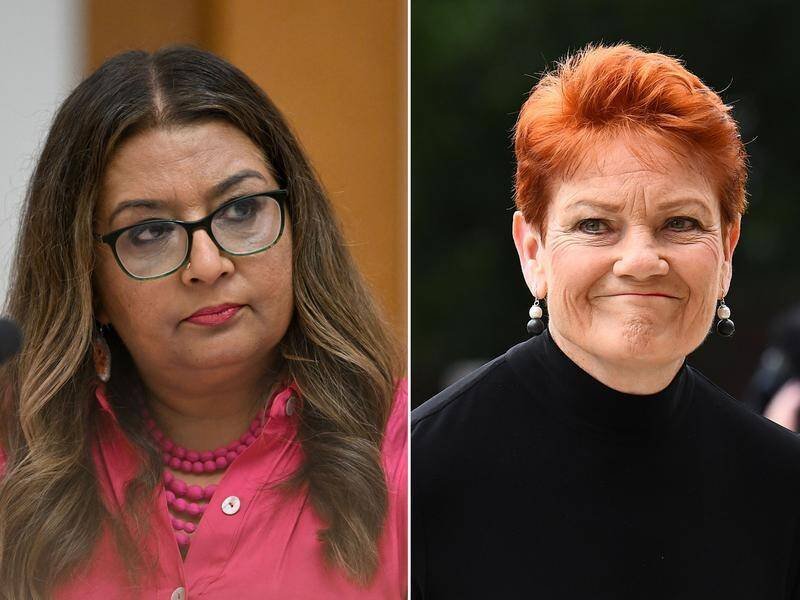



The move is a clear indication of One Nation’s growing influence and its determination to flex its muscles in Canberra.
As Hanson and her party bask in the glow of their newfound success, they are also sending a warning shot across the bow of the major parties.
Hanson’s pointed message to re-elected South Australian Premier Peter Malinauskas – “I’m leaving you some landmines… they will explode, and that’s what we’re here for” – is a clear indication of One Nation’s intention to shake things up in parliament.
Analysis: What This Means for Australia
One Nation’s rise to prominence has significant implications for Australian politics. The party’s increased presence in parliament will undoubtedly lead to a shift in the balance of power, potentially altering the dynamics of key policy debates.
As Hanson and her party continue to flex their muscles, they will likely exert greater influence over the legislative agenda, potentially pushing the major parties to adopt more populist policies.
Security analysts say that One Nation’s growing influence could also have implications for national security, potentially leading to a more isolationist and protectionist approach to foreign policy.
Law enforcement insiders warn that the party’s hardline stance on law and order could lead to increased tensions between police and minority communities.
Industry observers believe that One Nation’s surge could have significant economic implications, potentially leading to a shift towards more protectionist trade policies and increased government intervention in key industries.
As the party continues to ride the wave of public support, it remains to be seen how its policies will shape the country’s economic future.
One thing is certain, however: Pauline Hanson and One Nation are here to stay, and their influence will be felt for years to come.