Pay Rise for 2.7 Million Aussie Workers on the Cards as Labor Backs ‘Economically Sustainable’ Wage Hike
- 2.7 million minimum wage earners could receive a pay rise as Labor backs a real wage increase to help with the rising cost of living
- The Albanese government has submitted to the Fair Work Commission, urging an “economically sustainable” wage hike for award-reliant workers
- Low-paid workers, disproportionately women, are more exposed to financial shocks and hardship, Employment Minister Amanda Rishworth says
- A pay rise could help close the gender pay gap and provide relief to workers struggling with fuel price hikes and mounting pressure on families
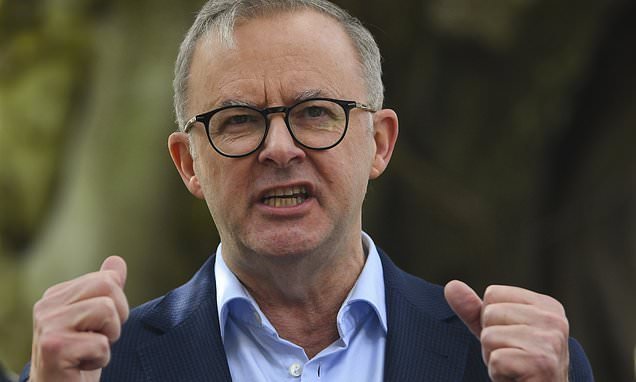
The Albanese government has thrown its support behind a pay rise for 2.7 million minimum wage earners, urging the Fair Work Commission to award an “economically sustainable real wage increase” to Australian award workers.
This move comes as the nation grapples with rising fuel prices, inflation, and pressure on family budgets.
About a quarter of the nation’s workforce, or 2.7 million Australians, are on the national minimum wage or award-reliant, and are struggling to make ends meet.
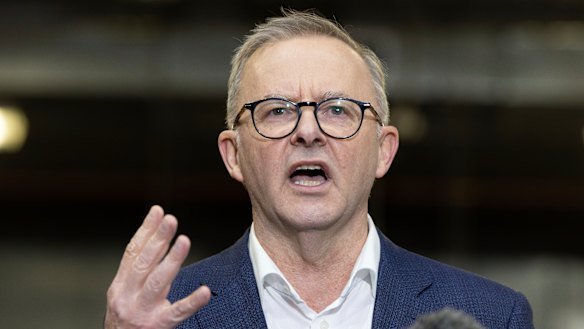
Employment Minister Amanda Rishworth emphasized that low-paid workers are more vulnerable to “unexpected financial shocks” and experience greater financial hardship. “Our government believes the millions of baristas, care workers, clerks, and cooks should get ahead,” she said.
Treasurer Jim Chalmers echoed the sentiment, stating that workers are doing it tough and need a sustainable real wage increase. “With fuel prices going up and mounting pressure on families, we’re helping with the cost of living in responsible ways,” he said.
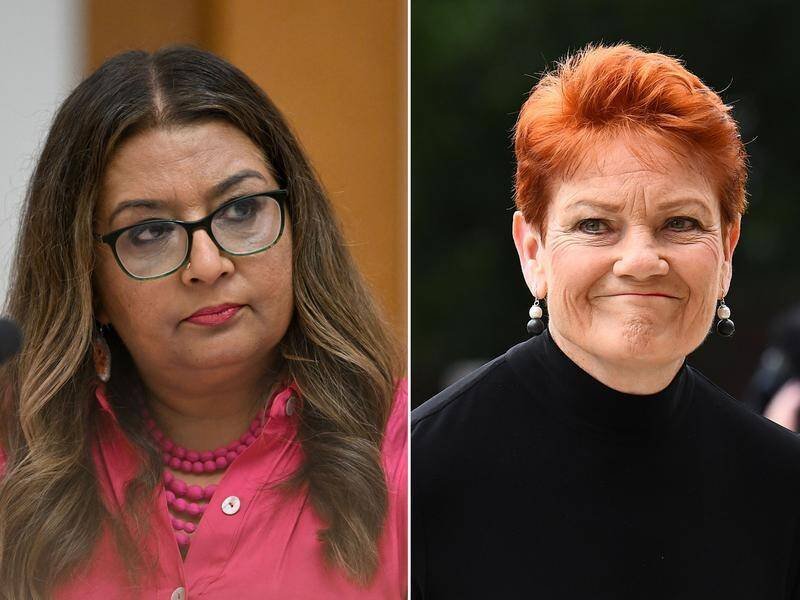

The government’s submission does not recommend a specific amount, but suggests an increase consistent with underlying inflation returning to the Reserve Bank of Australia’s target band of 2-3 per cent in 2026-27.
The Fair Work Commission will decide on any increase to the minimum wage in coming months, which will come into effect from July 1. The minimum wage is currently $175.40 per week higher than when the Albanese government came to office in 2022.
The upcoming decision comes against a backdrop of renewed economic turmoil, with the Iran war driving up fuel prices and putting pressure on family budgets. Petrol prices have, on average, risen by more than 30 per cent since February 23, while diesel has risen by more than 40 per cent.
Analysis: What This Means for Australia
The potential pay rise could have significant implications for national security, as low-income households are more likely to be affected by economic shocks. A wage increase could help alleviate some of this pressure, reducing the risk of social unrest and community tension.
Furthermore, a pay rise could also have positive effects on law enforcement, as lower-income households are often more vulnerable to criminal activity. By providing a financial safety net, the government may be able to reduce the appeal of illegal activities and promote community safety.
Security analysts say that the government’s move is a step in the right direction, but more needs to be done to address the root causes of economic insecurity.
“A pay rise is a necessary short-term solution, but the government must also invest in education and job training programs to equip workers with the skills they need to adapt to a rapidly changing economy,” said one expert.
Industry observers believe that the pay rise could also have positive effects on the economy, as low-income households are more likely to spend their increased wages locally, stimulating economic growth.
However, others warn that the wage increase could lead to inflationary pressures, potentially offsetting any benefits to workers.
As the Fair Work Commission deliberates on the minimum wage, one thing is clear: the fate of 2.7 million Australian workers hangs in the balance.
Will the government’s push for a pay rise be enough to provide relief to those struggling, or will it be too little, too late?