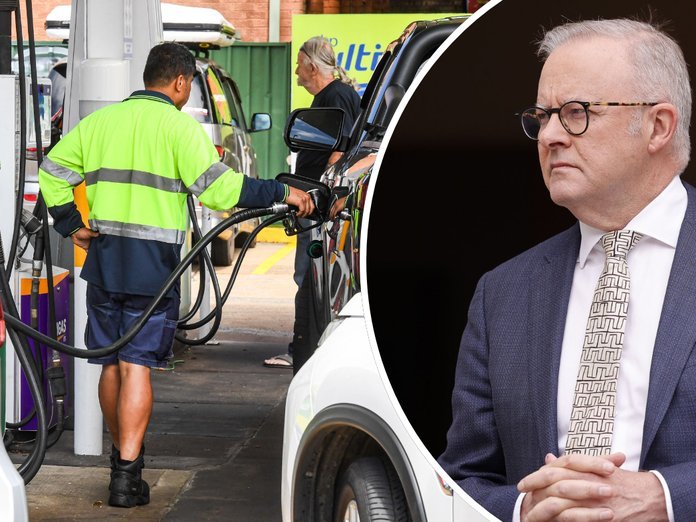
Fuel Crisis Chaos: Albanese Calls Emergency Meeting as 470 Service Stations Run Dry and Prices Soar
- National cabinet to convene for second time to tackle fuel crisis driven by Middle East war
- 470 service stations across Australia have run out of at least one type of fuel, threatening supply chains and consumer prices
- Energy Minister Chris Bowen says government has options to ease pressures, but insists they’re not necessary yet
As the fuel crisis continues to grip the nation, Prime Minister Anthony Albanese has called an emergency national cabinet meeting to tackle the escalating situation.
The meeting, set to take place next week, will bring together state and territory leaders to coordinate a national response to the crisis, which has seen 470 service stations across the country run out of at least one type of fuel.
The fuel shortage, driven by the ongoing war in the Middle East, has sparked widespread concern about the impact on supply chains, consumer prices, and the economy as a whole.
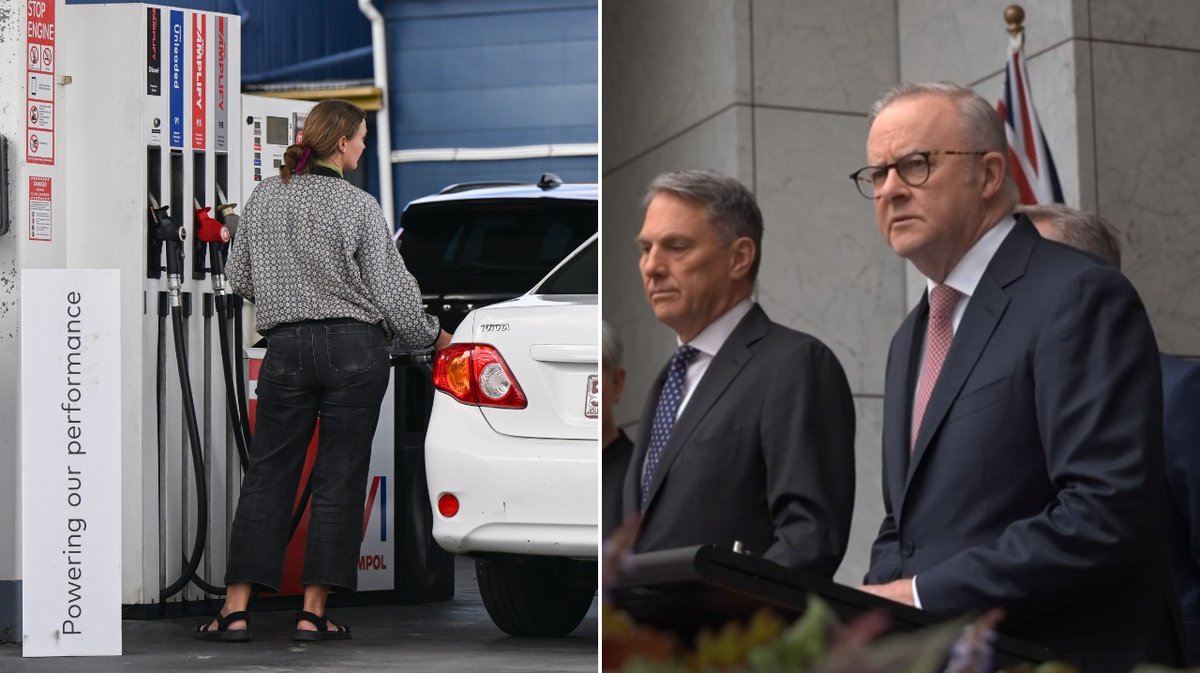
Energy Minister Chris Bowen has confirmed that the government has several options available to ease the pressure, including encouraging “voluntary measures,” but insists they are not necessary yet.
The crisis has already begun to take its toll on industries, with freight and waste collection services threatened by rising fuel costs.


The government has released about six days’ worth of petrol and five days’ worth of diesel from its emergency stockpile as part of an internationally coordinated response to the disruption, but experts warn that more needs to be done to address the issue.
Analysis: What This Means for Australia
The fuel crisis has far-reaching implications for Australia’s national security, economy, and communities. The shortage has already led to panic buying, with many service stations running out of fuel.
The government’s decision to release fuel from its emergency stockpile is a temporary solution, but a more coordinated national approach is needed to address the root causes of the crisis.
Security analysts say that the fuel shortage highlights Australia’s vulnerability to global events, particularly in the Middle East. The country’s reliance on imported fuel makes it susceptible to supply chain disruptions, which can have devastating consequences for the economy and national security.
Law enforcement insiders warn that the fuel shortage could lead to an increase in fuel theft and black market activities, which could further exacerbate the crisis.
Meanwhile, industry observers believe that the government’s response to the crisis will have a significant impact on consumer prices and the broader economy.
Expert Commentary
“The fuel crisis is a wake-up call for Australia to rethink its energy security and reduce its reliance on imported fuel,” said Dr. Australian Strategic Policy Institute energy expert, Marcus Hellyer.
“The government needs to take a long-term view and invest in alternative energy sources to mitigate the risks of supply chain disruptions.”
In the short term, the government must take immediate action to address the crisis, including releasing more fuel from its emergency stockpile and implementing measures to prevent panic buying.
However, in the long term, Australia needs a comprehensive energy strategy that prioritizes national security, economic stability, and environmental sustainability.