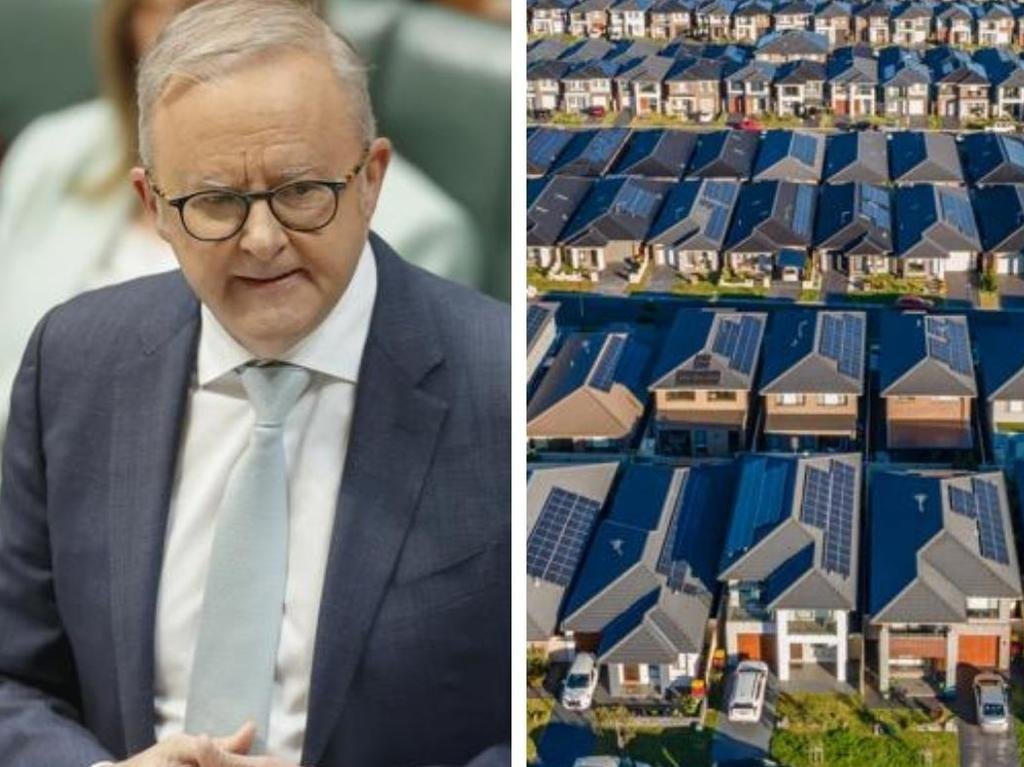
Australia’s Housing Crisis Set to Worsen as Migration Surges and Construction Slows
- Australia’s housing shortage could surge to half a million in the next few years, warns leading economist Dr. Shane Oliver
- National Housing Accord target of 1.2 million new homes by 2029 looks increasingly unachievable
- Rising migration and slowing construction rates threaten to exacerbate the housing crisis
Australia’s housing crisis is set to worsen, with a leading economist warning that the country’s annual shortage of homes could surge towards half a million in the next few years.
Dr. Shane Oliver, chief economist at AMP, has sounded the alarm as migration rates rebound and construction slows, threatening to exacerbate the housing crisis.
The federal government’s National Housing Accord target of 1.2 million new homes by 2029 looks increasingly unachievable, with new figures showing that building completions have fallen by 2 per cent over the past year despite approvals rising 9 per cent.
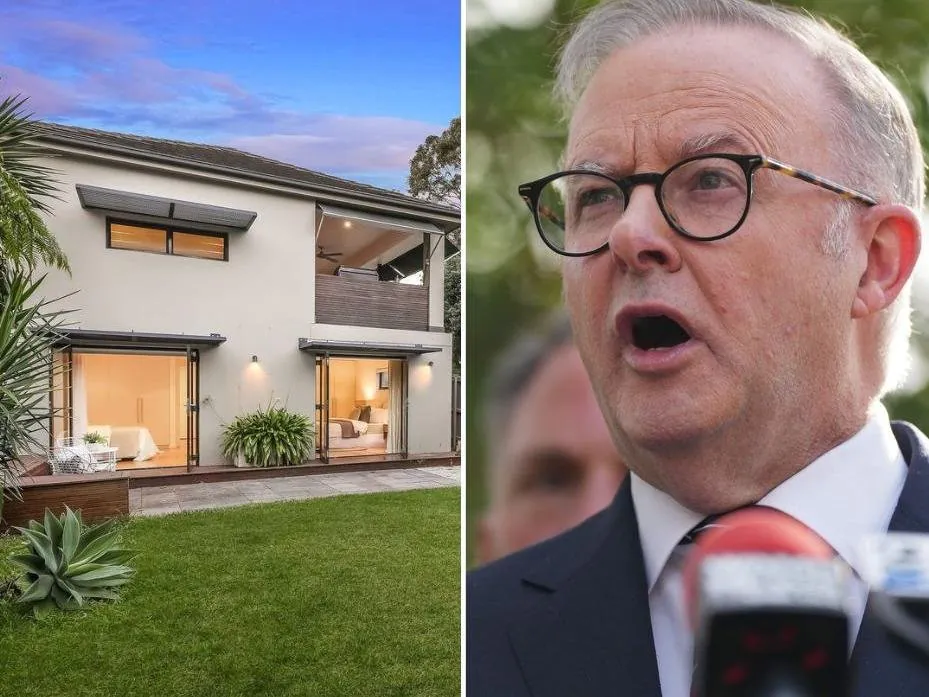
The National Housing Supply and Affordability Council’s first quarterly report revealed that no state or territory is on track to meet its targets, with building completions lagging behind approvals.
The situation is set to worsen as net overseas migration begins to rebound, with fresh data showing that arrivals minus departures for the September quarter of 2025 reached 87,821 and 311,000 for the prior 12 months.

This marks the first time since the 2022-23 surge that net overseas migration has stopped falling, suggesting that the government is on track to blow well past Treasury’s mid-year forecasts of 260,000 in 2025-26 and 225,000 the year after.
Analysis: What This Means for Australia
The housing crisis has significant implications for national security, law enforcement, and community safety. The shortage of homes will continue to drive up housing prices, making it difficult for first-home buyers to enter the market.
This will lead to increased demand for rental properties, driving up rents and putting pressure on already stretched social housing services. The crisis will also have economic consequences, as the lack of affordable housing will limit economic growth and productivity.
Security analysts warn that the housing crisis will also have implications for community safety, as the shortage of affordable housing will lead to increased homelessness and social unrest.
Law enforcement insiders warn that the crisis will put additional pressure on already stretched police resources, as they struggle to deal with the fallout from the housing shortage.
Industry observers believe that the government needs to take urgent action to address the housing crisis, including increasing funding for social housing and implementing policies to encourage developers to build more affordable homes.
They also warn that the crisis will have long-term consequences for the economy and community if left unchecked.
According to Dr.
Oliver, if housing construction slows to around 150,000, and net overseas migration remains above 300,000, the shortfall of homes could reach 300,000 to 400,000 in the next two to three years.
“It depends on how severe the supply setback is, given the current pressures from rates and [building supply shortages],” he said.
The Property Council’s Matthew Kandelaars has called for urgent action to address the housing crisis, including streamlining planning systems and reducing the burden of taxes, fees, and charges on developers.
He has also pushed back against suggestions that immigration should be lowered to reduce demand, arguing that the focus should be on getting the mix of migration right, rather than the overall numbers coming to the country.
Housing Minister Clare O’Neil has said that the National Housing Accord is making “good progress”, but industry insiders warn that more needs to be done to address the housing crisis.
With the Iran war fuel crisis sending costs for building materials and freight soaring, the federal government is under pressure to take urgent action to address the crisis.