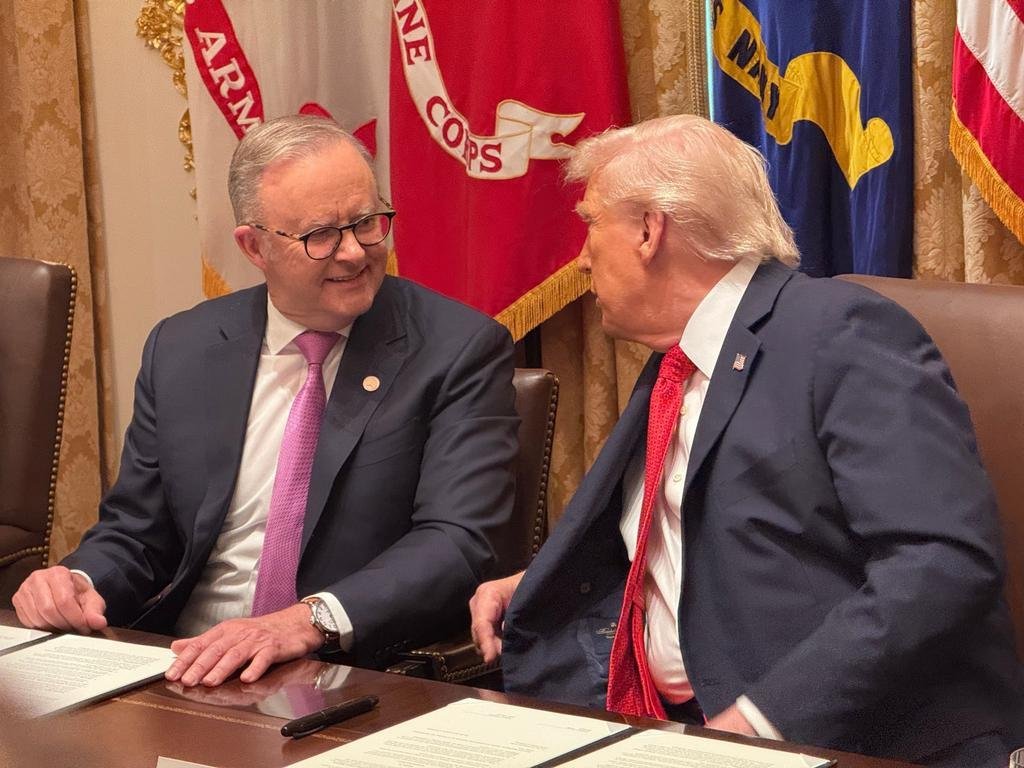
Australia Under Fire: Trump’s Fury Over Refusal to Help Secure Strait of Hormuz
- Australia slammed by Trump for not helping to secure the Strait of Hormuz amid rising tensions with Iran
- US President extends deadline for Iran to open the strait, warning of “worst nightmare” if demands not met
- Australia’s PM brushes off criticism, saying the country’s focus is on de-escalation and protecting its national interest
The United States President, Donald Trump, has launched a scathing attack on Australia for its refusal to assist in securing the Strait of Hormuz, a critical waterway in the Middle East.
Trump expressed his surprise and disappointment at Australia’s decision, saying he was “a little surprised by Australia” and that the country was “not great” in its response to the crisis.
The criticism comes as Trump continues to rail against NATO allies for their inaction in the face of rising tensions with Iran.
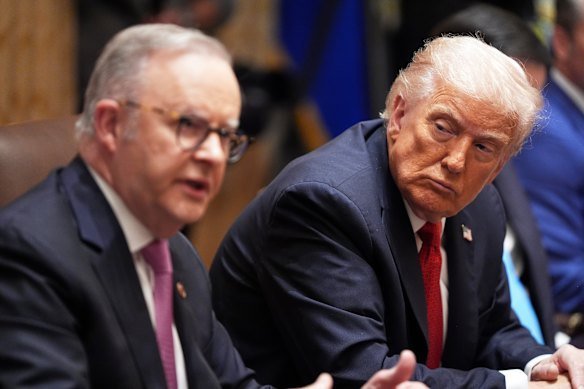
The US President has been pushing for a coalition of nations to help secure the Strait of Hormuz, which is a vital passage for global oil trade.
However, Australia, along with other allies, has refused to commit troops or vessels to the region, opting instead to offer diplomatic support.


In a lengthy cabinet meeting, Trump reiterated his demands that Iran must open the Strait of Hormuz, warning that the country would face its “worst nightmare” if it did not comply.
The US President also extended the deadline for Iran to respond to his 15-point ceasefire proposal, which has been dismissed by Iranian officials as “one-sided and unfair”.
Despite the criticism, Australian Prime Minister Anthony Albanese has chosen not to engage with Trump’s comments, saying he is focused on Australia’s response to the conflict and ensuring the country’s national interest is protected.
Albanese highlighted Australia’s contribution to the conflict, including the deployment of an E-7 Wedgetail aircraft to support Gulf states.
Analysis: What This Means for Australia
The fallout from Trump’s criticism has raised questions about the state of Australia’s relationship with the United States. While the two countries have traditionally enjoyed a strong alliance, the current tensions have exposed differences in their approach to global security.
Australia’s decision to prioritize diplomacy and de-escalation has been seen as a departure from the US’s more aggressive stance.
Security analysts say that Australia’s reluctance to get involved in the conflict is a pragmatic decision, given the country’s limited military capabilities and its focus on protecting its own national interest.
However, the decision has also raised concerns about Australia’s ability to influence global events and its reliance on the US for security.
“Australia’s decision to sit out the conflict is a calculated move to avoid getting entangled in a complex and volatile region,” said a security expert. “However, it also highlights the limitations of Australia’s military capabilities and its dependence on the US for security guarantees.”
Industry observers believe that the current tensions will have significant economic implications for Australia, particularly if the conflict escalates and disrupts global trade.
The country’s economy is heavily reliant on trade with the Middle East, and any disruption to the Strait of Hormuz could have significant consequences for Australian businesses.
“The conflict in the Middle East is a significant risk to Australia’s economy, particularly if it disrupts trade flows,” said an industry expert. “The government needs to take a proactive approach to mitigating these risks and ensuring that Australian businesses are protected.”