Deadly Skies: Australian-Owned Helicopters Collide in Midair as Europe’s Wildfire Emergency Rages On
- Two firefighters killed in helicopter collision while battling wildfires in Greece
- Australian-owned helicopters leased by McDermott Aviation involved in deadly crash
- Europe’s worst fire year on record, with over 10,000 square kilometres burned in 2025
- Climate change exacerbates wildfire threat, with human-caused factors making extreme fire weather conditions at least twice as likely
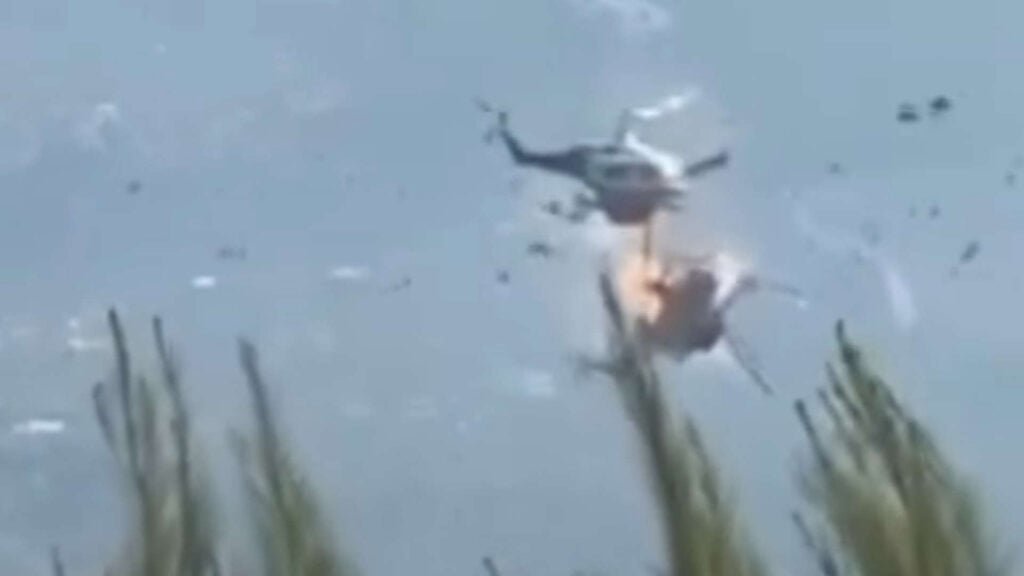
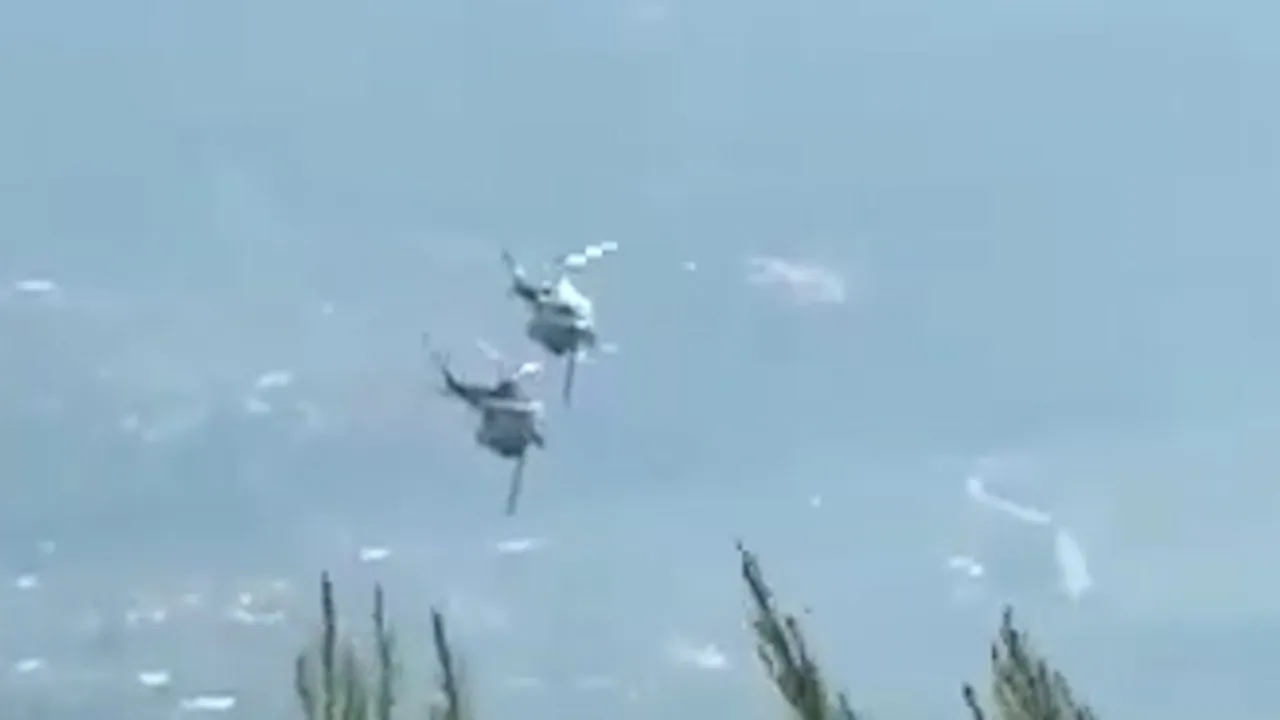
The sun was setting over the Psatha area west of Athens, Greece, when tragedy struck. Two helicopters, leased by Australian company McDermott Aviation, collided in midair while battling a wind-driven wildfire.
The crash resulted in the deaths of two firefighters, a Greek and a Danish national, and left the world in shock. The incident has laid bare the danger and complexity of Europe’s wildfire emergency, which has been ravaging the continent for weeks.
The helicopters, both Bell 214ST models, were part of a fleet of 15 deployed by McDermott Aviation to support Greece during the 2025 fire season. The company has operated in Greece for the last seven years, providing critical support to local authorities in their efforts to combat wildfires.
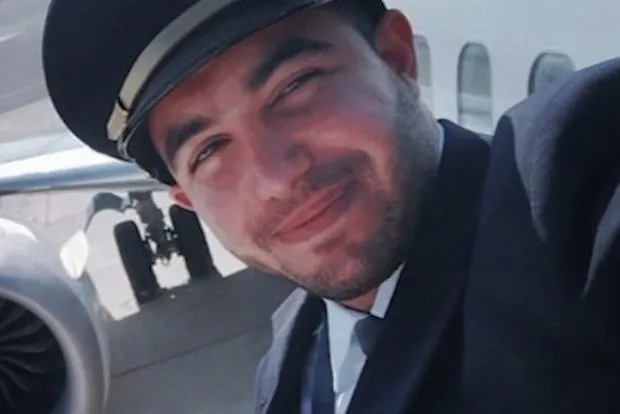
Founder and president John McDermott expressed his deepest condolences to the families, friends, and colleagues of those affected by the tragic incident.
The collision is currently under investigation, but it is clear that the extreme weather conditions played a significant role in the tragedy.


Dry conditions and strong winds have been complicating efforts to bring fires across Greece under control, with flames spreading rapidly through western Attica and threatening communities and an industrial district outside Megara.
The region is still reeling from the 2018 Mati wildfire, which killed 104 people and remains Europe’s deadliest blaze this century.
Analysis: What This Means for Australia
The incident highlights the critical role that Australian companies like McDermott Aviation play in supporting international efforts to combat wildfires. However, it also raises questions about the risks and challenges associated with such operations.
As climate change continues to exacerbate the wildfire threat, it is essential that Australia and other countries work together to develop more effective strategies for preventing and responding to these disasters.
Security analysts say that the incident demonstrates the need for improved safety protocols and emergency response procedures in high-risk environments. “The collision is a tragic reminder of the dangers faced by firefighters and emergency responders,” said one analyst.
“It is essential that we learn from this incident and work to prevent similar tragedies in the future.”
Law enforcement insiders warn that the incident may also have implications for Australia’s national security. “The use of Australian-owned helicopters in international wildfire operations raises concerns about the potential risks and liabilities associated with such activities,” said one insider.
“It is essential that we carefully consider these risks and develop strategies for mitigating them.”
The incident has also sparked concerns about the impact of climate change on Australia’s communities and public safety.
“The fact that human-caused climate change is making extreme fire weather conditions at least twice as likely is a stark reminder of the need for urgent action on this issue,” said one expert.
“We must work to reduce our carbon emissions and develop more effective strategies for preventing and responding to wildfires.”
As the world continues to grapple with the challenges of climate change, it is clear that incidents like the helicopter collision in Greece will become increasingly common.
It is essential that we learn from these incidents and work together to develop more effective strategies for preventing and responding to wildfires.
climate change wildfires Australian Bureau of Statistics