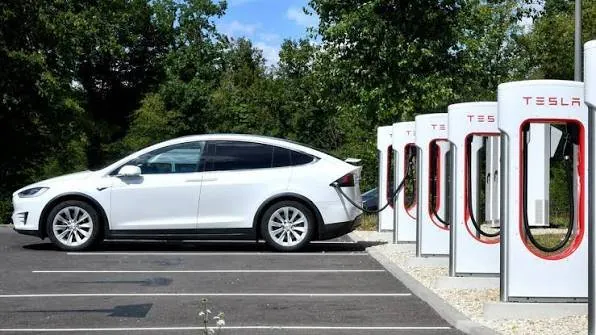
Australia Sees Record-Breaking Surge in Electric Vehicle Sales: Is the Government’s Subsidy Scheme Paying Off or Spiraling Out of Control?
- Nearly one in every two vehicles sold in Australia between April and June was either electric or hybrid, with EV sales almost doubling in just three months.
- The Liberal Party’s Jane Hume claims the government’s subsidy scheme has “run out of control” and is costing Australians millions.
- The surge in EV sales coincides with soaring fuel prices and a growing demand for eco-friendly vehicles, but what does this mean for Australia’s automotive industry and the environment?
- Car dealers are calling for a change to consumer laws to protect Australians who purchase EVs from manufacturers overseas, as the market continues to boom.
Australia has recorded its biggest-ever quarterly surge in electric vehicle sales, with nearly one in every two vehicles sold between April and June being either electric or hybrid.
The updated figures show that EV sales almost doubled in just three months, with the market share of fully electric vehicles jumping from 12.25 per cent to over 21 per cent in just six months.
The spike in EV sales coincides with soaring fuel prices, which reached record highs at the start of April following the war in Iran and the closure of the Strait of Hormuz at the end of February.
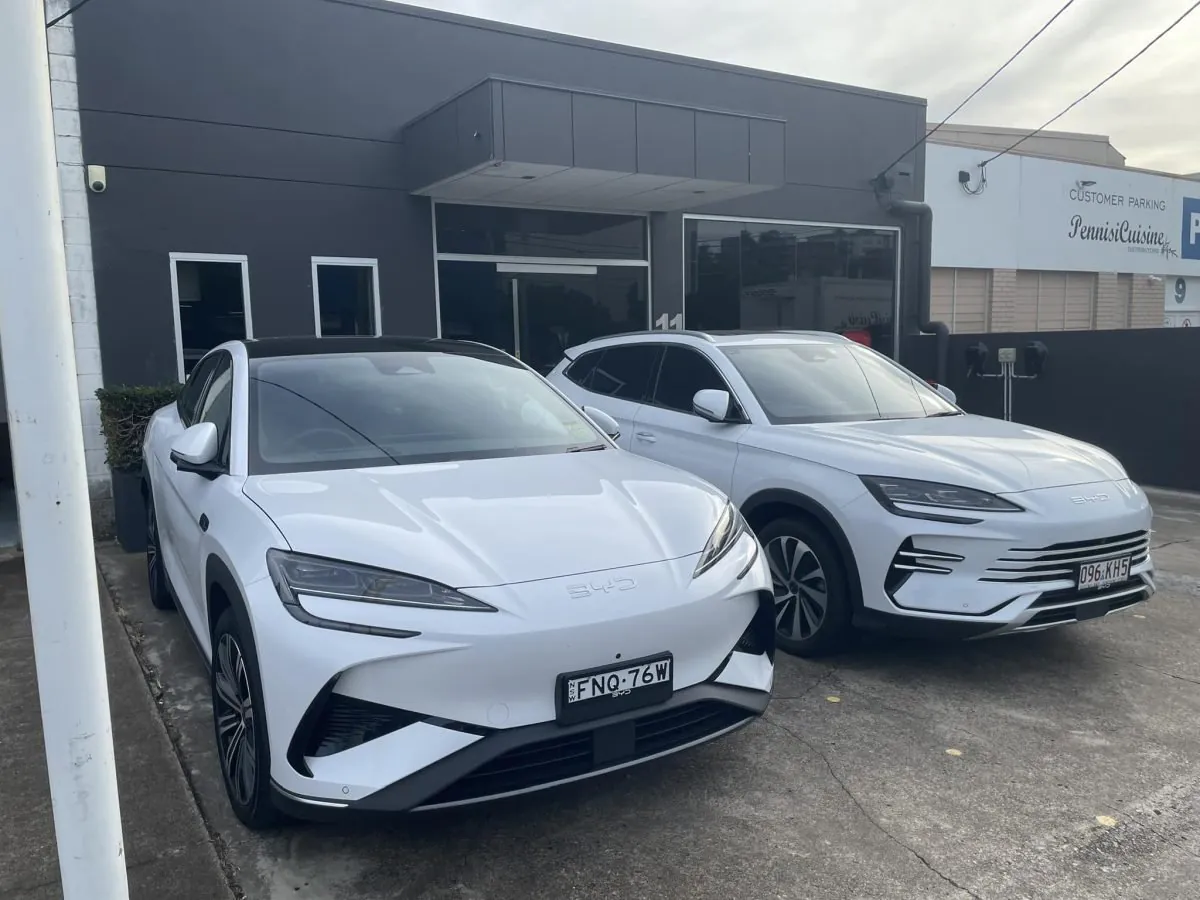
The Australian Automobile Association’s data shows that the market share of non-electric vehicle sales took a nosedive, falling to 50.84 per cent of June quarter sales, down from 64.23 per cent.
Liberal deputy leader Jane Hume has weighed in on the issue, claiming that the government’s subsidy scheme has “run out of control” and is costing Australians millions.
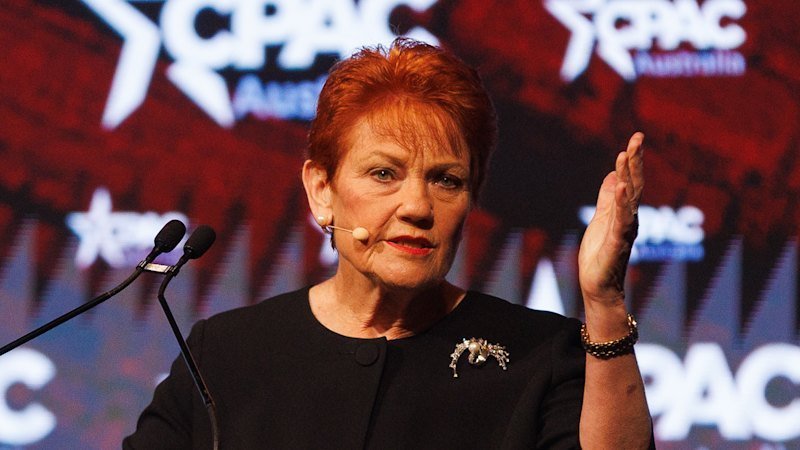


“I think that’s the market speaking with its feet, and probably why we don’t necessarily need more subsidies on electric vehicles,” she said.
However, supporters of the scheme argue that it has been instrumental in putting 64,000 more EVs on the road and jump-starting the struggling industry.
The subsidy scheme, which was introduced at the start of 2023, made electric vehicles thousands of dollars cheaper through an exemption to fringe benefit tax.
However, the scheme has been adopted at a rate far beyond the government’s expectations, and as of May, was expected to cost $1.35 billion this year alone, well above the initial forecast of $90 million.
Analysis: What This Means for Australia
The surge in EV sales has significant implications for Australia’s automotive industry, the environment, and the economy. As the market continues to boom, there are growing concerns about the impact on the grid and the need for increased investment in charging infrastructure.
Security analysts say that the shift towards EVs could also have national security implications, as Australia becomes increasingly reliant on imported technology and components.
Law enforcement insiders warn that the growth of the EV market could also create new challenges for policing, particularly in relation to the theft and resale of high-value EVs.
Industry observers believe that the government’s subsidy scheme has played a crucial role in driving the growth of the EV market, but that it is now time to reassess the scheme and ensure that it is sustainable in the long term.
Climate Change Minister Chris Bowen has previously said that the government was scrapping the discount because it had done its job, creating a boom in EV uptake that has driven investment in charging stations and other infrastructure.
However, as the market continues to evolve, it is clear that there are still many challenges to be addressed. Car dealers are now calling on the federal government to update Australian Consumer Law to better protect Australians who purchase EVs from manufacturers overseas.
As the EV market continues to grow, it is clear that there are many opportunities for Australia to reap the benefits of this emerging industry. However, it is also important to acknowledge the challenges and complexities that come with this growth.
By taking a proactive and informed approach, Australia can ensure that it is well-positioned to capitalize on the opportunities presented by the EV market, while also mitigating the risks.
electric vehicle subsidies automotive industry environmental impact Australian Bureau of Statistics Australian Automobile Association