Australian Roads on High Alert: New Crash-Testing Rules to Tame America’s Deadly Pick-Up Trucks
- US-style pick-ups face tough scrutiny in Australia as new crash-testing rules are set to be introduced in 2029
- ANCAP to focus on blind spots and “direct vision” to reduce serious crashes and protect vulnerable road users
- Large utes from brands like Ford, Ram, and Chevrolet found lacking in lifesaving technologies, putting other road users at risk
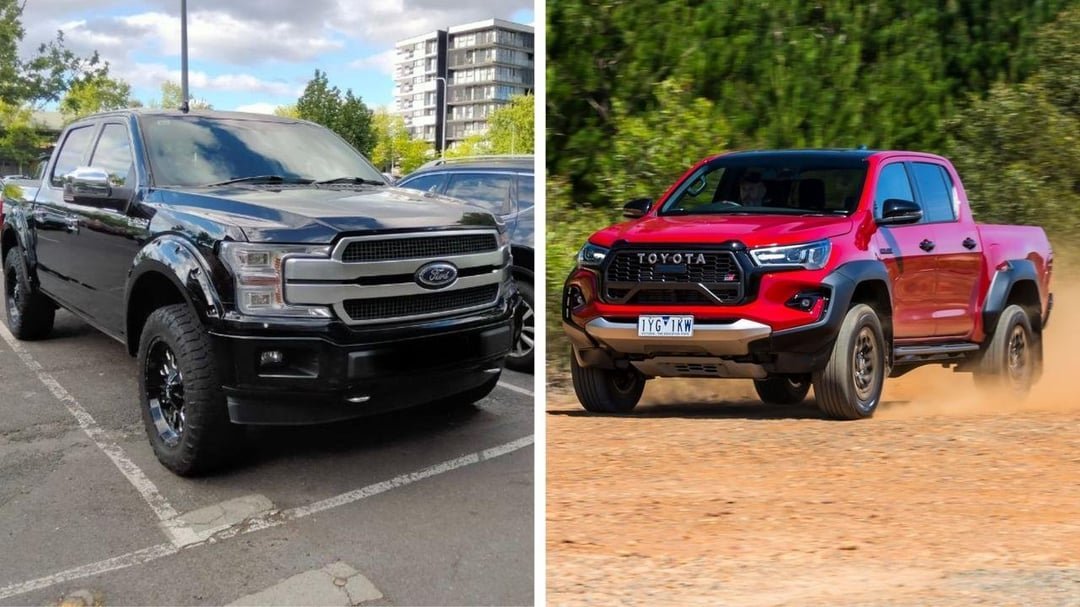
The Australasian New Car Assessment Program (ANCAP) is set to shake up the Australian automotive industry with the introduction of new crash-testing rules in 2029, specifically targeting large US-style pick-up trucks that have become increasingly popular on our roads.
These vehicles have raised concerns about their safety, with experts warning they pose a significant risk to smaller vehicles, pedestrians, and cyclists.
ANCAP chief executive Carla Hoorweg has expressed concerns about the growing presence of these vehicles, stating that their safety pedigree is unknown. “We didn’t really know what the safety pedigree is like on those big utes,” she said.
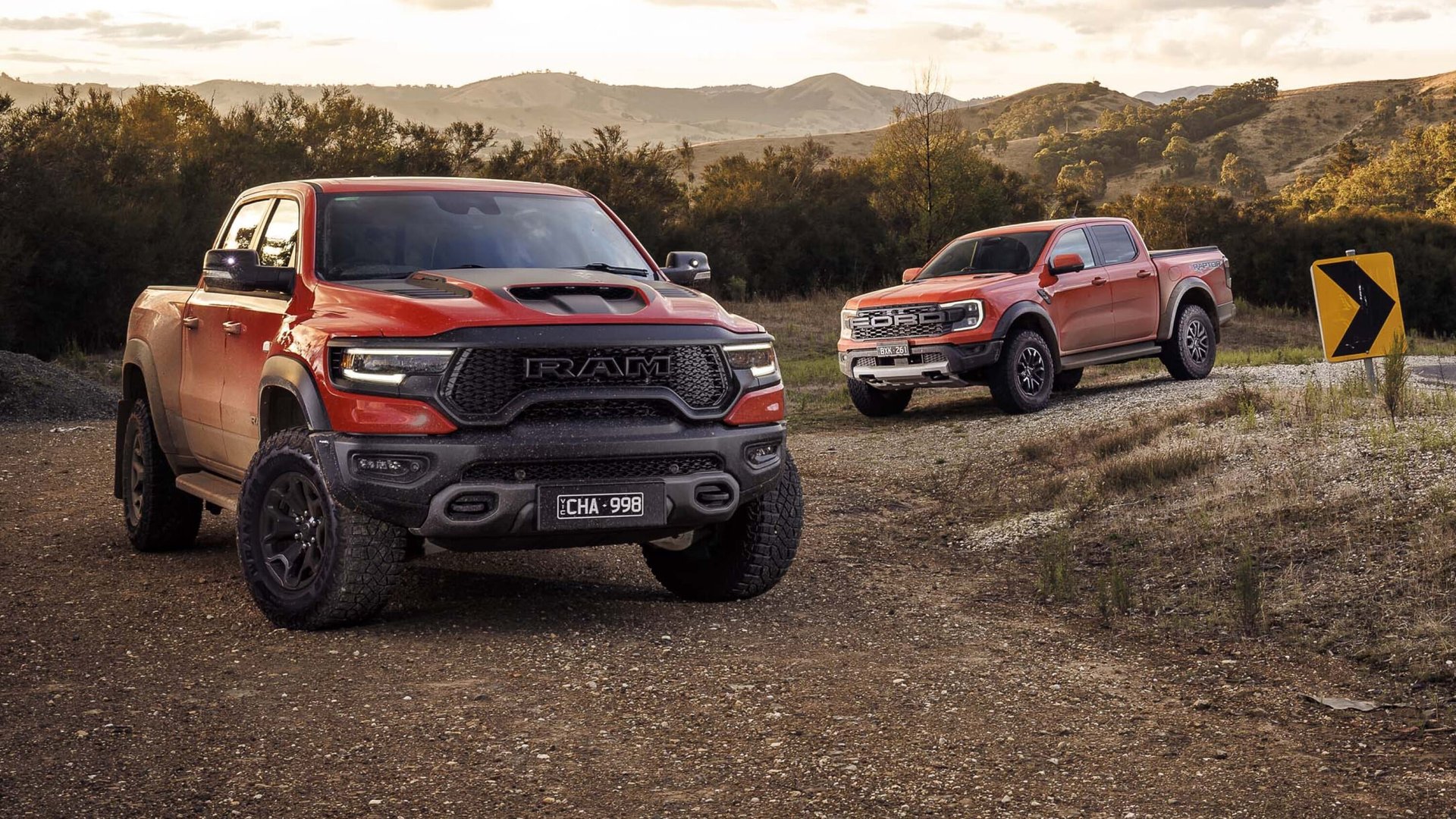
“They’re pretty new into the market.” As a result, ANCAP has been assessing large utes from brands including Ford, Ram, Chevrolet, and Toyota, and the new protocols will bring a sharper focus on blind spots and what safety experts call “direct vision” – the vision a driver can see through windows rather than cameras and digital mirrors.
Under the new rules, vehicles will be penalised for features that block a driver’s view, including very thick A-pillars, large rear-view mirrors, and high bonnet lines.


This move is part of a global effort to improve visibility around a vehicle, which is seen as one of the most effective ways to reduce serious crashes.
Euro NCAP technical director Richard Schram confirmed that manufacturers are striving to be “better crash partners,” but warned they’d still face penalties for “over-the-top” designs.
The tougher standards also reflect growing concern about the danger large utes can pose to other road users in a collision. Safety experts have busted the myth that heavier vehicles are inherently safer.
In fact, a US report released in 2025 found that motorists were 20 per cent more likely to be killed in a crash involving a super-sized SUV weighing more than 5000 pounds, or about 2277kg.
In Australia, popular ‘American-style’ utes like the Ford F-150 and Ram 1500 can weigh as much as 2,500kg.
Some utes, like the Chevrolet Silverado, lack lifesaving technologies such as reverse autonomous emergency braking, cyclist detection, and advanced driver monitoring systems, ANCAP revealed in 2025.
Plans to test large utes date back to 2023, with Euro NCAP Secretary General Michiel van Ratingen stating that testing of huge pick-up trucks should focus on the risk they pose to other road users.
Analysis: What This Means for Australia
The introduction of these new crash-testing rules is a crucial step in addressing the growing concern about the safety of large US-style pick-up trucks on Australian roads.
With the number of these vehicles on our roads increasing, it is essential that we ensure they meet the highest safety standards to protect all road users.
The new rules will not only make our roads safer but also send a strong message to manufacturers that safety should be their top priority.
Security analysts say that the lack of safety features in some of these vehicles is a major concern, particularly in light of the growing trend of these vehicles being used as daily drivers.
“These vehicles are not just being used for work or off-road activities, but are being driven on our city streets, putting other road users at risk,” said one expert.
Law enforcement insiders warn that the lack of safety features in these vehicles can make them more prone to accidents, which can have devastating consequences. “We’ve seen too many cases where these vehicles have been involved in serious crashes, resulting in fatalities and serious injuries.
It’s time for manufacturers to take responsibility and ensure their vehicles meet the highest safety standards,” said one insider.