EXCLUSIVE: ‘No Hero’ – Sister of Australia’s Most Wanted Fugitive Dezi Freeman Speaks Out After Dramatic Confrontation Ends in Tragedy
- Dezi Freeman’s sister breaks her silence after her brother’s death, revealing her shame and anger over his actions
- Freeman was shot dead by police after a three-hour standoff at an isolated property on the NSW-Victoria border
- The 44-year-old had been on the run for seven months after killing two police officers in Victoria’s high country
- His sister describes him as “no hero” and says he “sacrificed being a father and husband to become Australia’s most wanted fugitive”
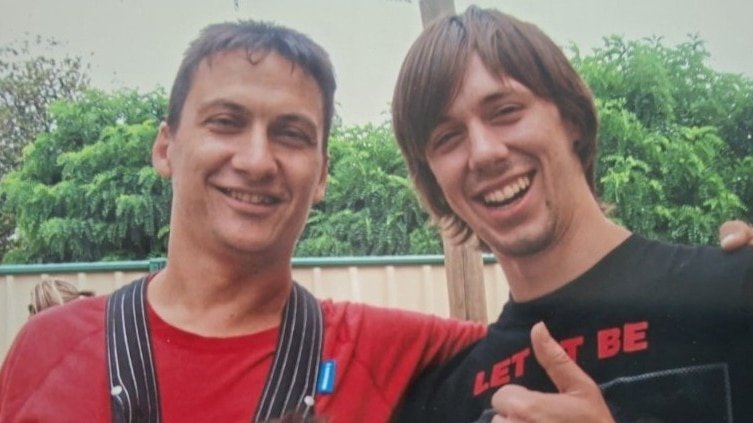
The sister of Dezi Freeman, the man who sparked Australia’s largest manhunt in recent history, has spoken out for the first time since his death, revealing her shock, shame, and anger over his actions.
In an exclusive interview with 7.30, Freeman’s estranged sister, who wishes to remain anonymous, described her brother as “no hero” and said he had “sacrificed being a father and husband to become Australia’s most wanted fugitive”.
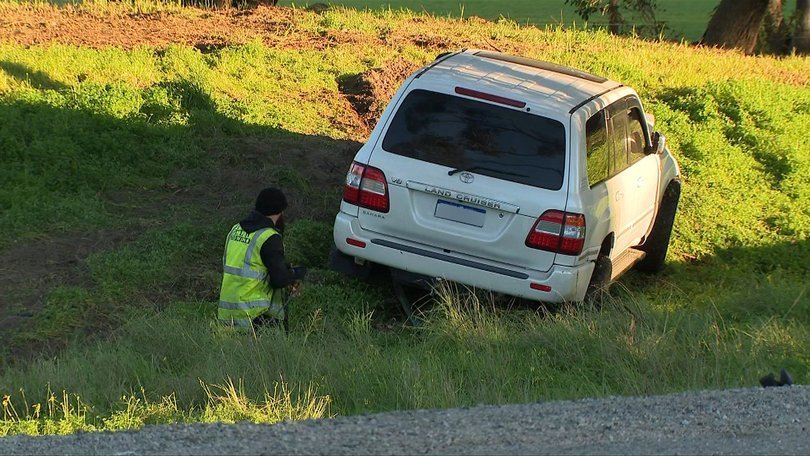
Freeman’s life of crime came to an end on Monday after a dramatic confrontation with Victoria Police’s specialist operations group at an isolated property at Thologolong on the NSW-Victoria border.
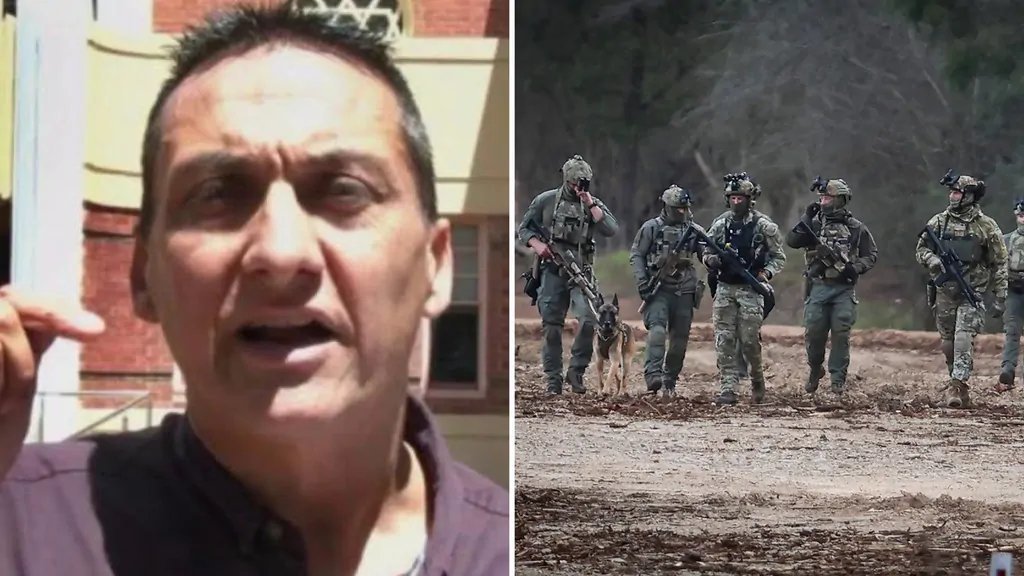
The 44-year-old was shot dead by police after a three-hour standoff, bringing an end to the seven-month manhunt that had captivated the nation.
Freeman’s sister said she was still trying to come to terms with her brother’s actions, which included the murder of two police officers, Leading Senior Constable Neal Thompson and Senior Constable Vadim de Waart-Hottart, in Victoria’s high country in August last year.
“I was shocked to learn that he had weapons and was armed, and that events played out the way they did in front of his wife and children, putting them at risk, and how traumatic that would have been for them to witness,” she said.
Freeman’s sister also expressed her condolences to the families of the two police officers who were killed, saying “To the families, colleagues and friends of Neal and Vadim, I offer my heartfelt condolences”.
She also described her brother’s wife, Amalia, and his children as “beautiful people”, but had little to say to anyone who had helped her cop-killing younger brother.
As the police investigation into Freeman’s death continues, his sister said she hoped that anyone who had assisted her brother during his time on the run would be brought to justice.
“The police will sort them out,” she said. “I only care about the people impacted by my brother’s hatred.
Heroes build communities, not destroy them.”
The dramatic events that unfolded on Monday were a culmination of a seven-month manhunt that had seen Freeman evade capture despite a massive police operation.
The 44-year-old had been on the run since August last year, when he killed two police officers in Victoria’s high country.
Analysis: What This Means for Australia
Freeman’s death brings an end to a chapter in Australian history that has left the nation shocked and outraged.
The 44-year-old’s actions have sparked a national debate about gun control, police safety, and the need for greater support for families affected by crime.
As the police investigation into Freeman’s death continues, it is clear that this is a story that will continue to unfold in the coming weeks and months.
Security analysts say that Freeman’s death is a significant blow to the criminal underworld, and that it sends a strong message to those who would seek to harm police officers and the community.
“This is a clear example of the consequences of violent crime,” said one analyst. “It shows that the police will stop at nothing to bring those who break the law to justice.”
Law enforcement insiders warn that the case highlights the need for greater resources and support for police officers who are putting their lives on the line every day.
“This is a tragic reminder of the risks that police officers face every day,” said one insider. “We need to make sure that we are doing everything we can to support them and keep them safe.”
As the nation comes to terms with the events of the past seven months, it is clear that this is a story that will continue to have far-reaching consequences for Australia.
The question now is what lessons can be learned from this tragic event, and how can we work together to build a safer and more just society for all.