Lebanon on Brink of Collapse as Israel’s Fresh Wave of Airstrikes Sparks Fear of Escalating War
- Israel launches 100 airstrikes on Beirut, killing at least 250 people and wounding over 1,000, in the most intense wave of attacks to date
- Lebanon fears the war is going to get “much worse” despite a ceasefire agreement between the US and Iran
- Australian Prime Minister Anthony Albanese welcomes the ceasefire, but Foreign Minister Penny Wong stresses it should include Lebanon
- Iran warns of retaliation against Israel and issues the US an ultimatum to agree to a total ceasefire across the Middle East
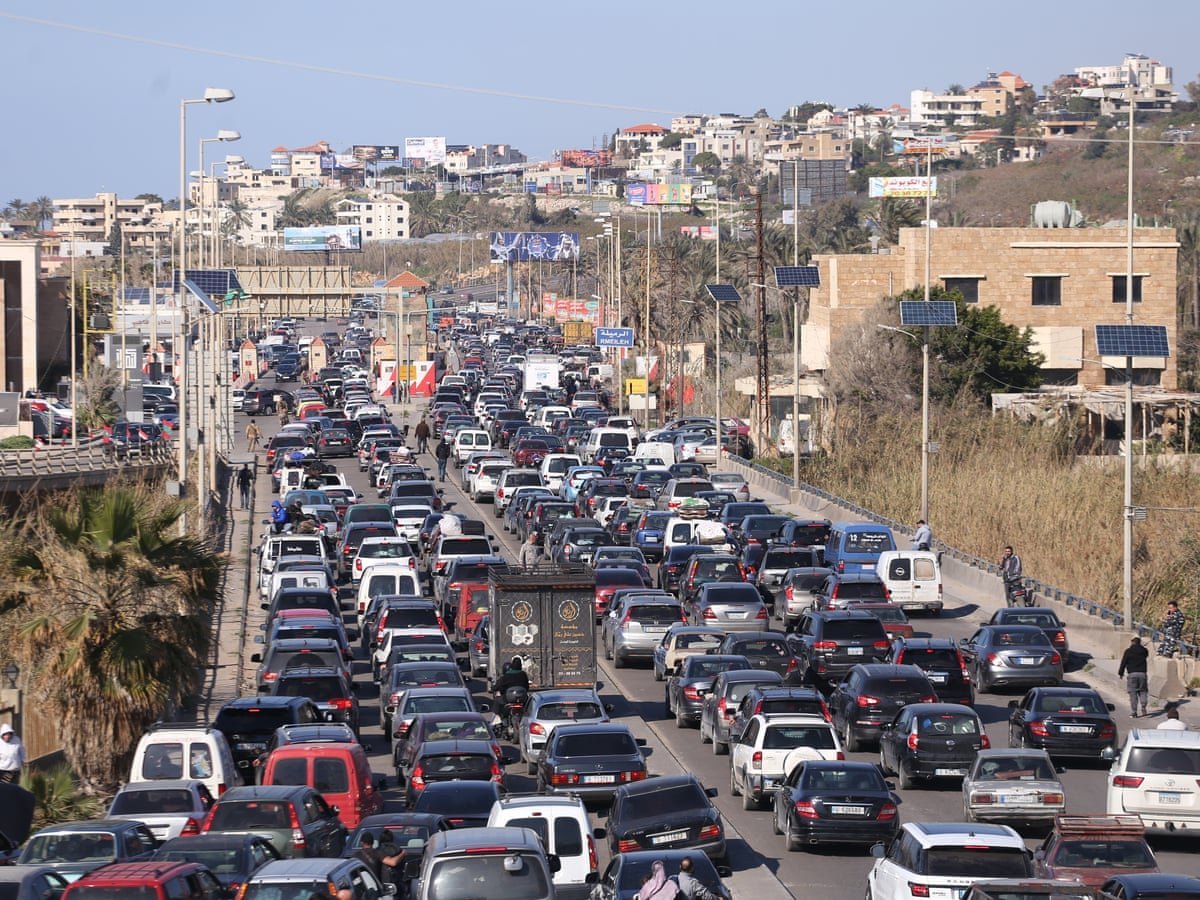
The streets of Beirut are once again filled with the sounds of sirens and the smell of smoke as Israel’s fresh wave of airstrikes sparks fear of an escalating war.
The Lebanese capital was hit with 100 airstrikes in just 10 minutes, leaving at least 250 people dead and over 1,000 wounded. The attacks came without warning, targeting areas of the city that were not under evacuation orders and had never been hit before.
The airstrikes were launched just hours after the US and Iran announced a ceasefire agreement, which was meant to bring an end to the conflict.
However, Israel claims that the agreement does not include Lebanon, and the country’s Prime Minister, Benjamin Netanyahu, has disputed the mediator’s claim that the ceasefire is immediate and includes Lebanon.
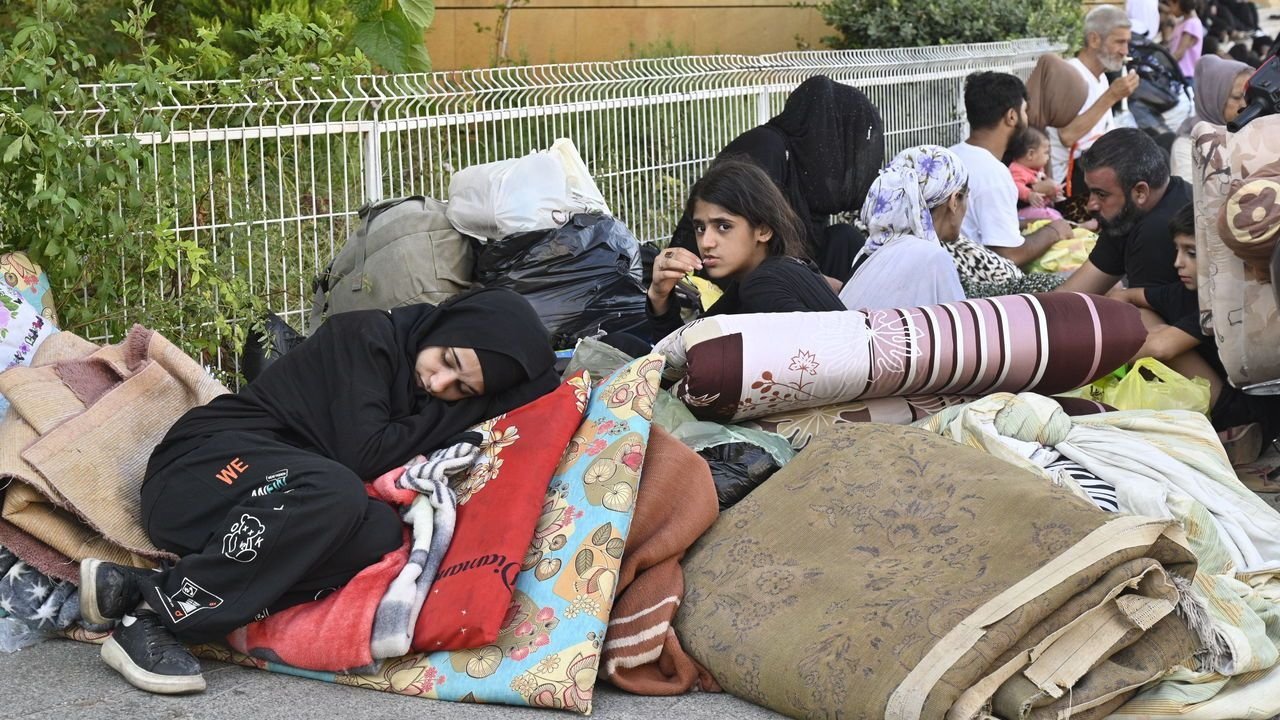
The situation on the ground is dire, with residents who had been forced to evacuate from their homes under threat of Israeli attack now unsure if they can return.



About 1.2 million people have been displaced by widespread Israeli evacuation warnings, and many are refusing to leave their homes despite the danger.
Analysis: What This Means for Australia
The escalating conflict in Lebanon has significant implications for Australia’s national security and foreign policy. As a key player in the region, Australia has a vested interest in maintaining stability and preventing the spread of conflict.
The Australian government’s response to the crisis will be closely watched, particularly in light of the country’s commitment to the US-led coalition in the Middle East.
Security analysts say that the situation in Lebanon is a powder keg, with the potential for further escalation and the involvement of other regional players. The conflict has already drawn in Iran, which has issued an ultimatum to the US to agree to a total ceasefire across the Middle East.
If the conflict were to spread, it could have significant implications for Australia’s interests in the region.
Law enforcement insiders warn that the conflict could also have implications for Australia’s domestic security, particularly in terms of the potential for extremist groups to exploit the situation.
The Australian government will need to be vigilant in monitoring the situation and taking steps to prevent the spread of extremist ideologies.
Expert commentary suggests that the situation in Lebanon is a classic example of a complex and multifaceted conflict, with a range of different players and interests at stake.
The conflict requires a nuanced and sophisticated response, taking into account the complex web of alliances and rivalries in the region.
As the situation in Lebanon continues to unfold, one thing is clear: the conflict has the potential to escalate and spread, with significant implications for Australia’s national security and foreign policy.
The Australian government will need to be proactive in responding to the crisis, working closely with international partners to prevent further escalation and promote stability in the region.