Ketamine Queen Sentenced to 15 Years in Jail Over Matthew Perry’s Tragic Death: A Harsh Reality Check for the Woman Who Sold the Fatal Dose
- Jasveen Sangha, known as the “Ketamine Queen”, will spend 15 years behind bars for selling the ketamine that killed Friends actor Matthew Perry.
- Perry’s family has spoken out about the devastating impact of Sangha’s actions, with his stepmother calling for a life sentence.
- The case has highlighted the dangers of ketamine, a hallucinogenic anesthetic that has gained popularity as an off-label treatment for depression.
- Sangha’s sentencing marks a turning point in the fight against ketamine dealers, with prosecutors vowing to crack down on those who prioritize profits over people.
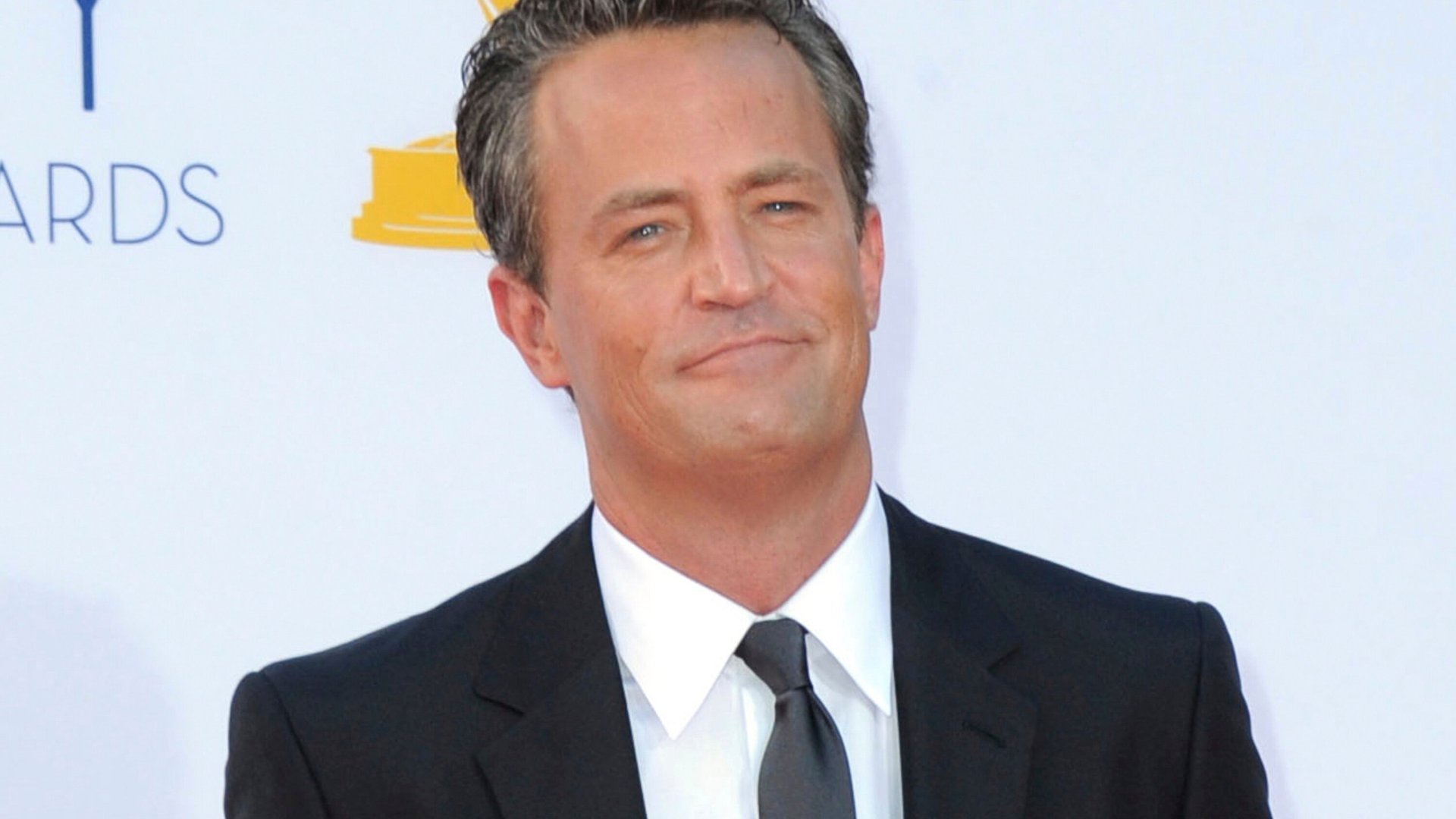
The Los Angeles woman who sold the ketamine that killed Friends actor Matthew Perry has been sentenced to 15 years in prison, a harsh reality check for the woman who prioritized profits over people.
Jasveen Sangha, known to her customers as the “Ketamine Queen”, pleaded guilty to five federal charges related to Perry’s 2023 overdose death and has been in federal custody since her arrest in August 2024.
Perry was found face down in the heated end of his pool at his home in the Pacific Palisades neighborhood of Los Angeles on October 28, 2023.

The Los Angeles County Medical Examiner’s Office later attributed his death to an accidental overdose of ketamine and likely drowning.
The ketamine, a hallucinogenic anesthetic that has gained popularity as an off-label treatment for depression, was sold to Perry by Sangha and her accomplice, Erik Fleming.



In remarks to the courtroom, Sangha lamented her “poor choices” and “horrible decisions that ultimately proved tragic.” She added, “I pray for forgiveness every day. Thank you for giving me the harshest reality check of my life.
Thank you for taking me out of the equation.” Perry’s stepmother, Debbie Parry, spoke out about the devastating impact of Sangha’s actions, saying she hoped Sangha would be sentenced to life in prison for the pain she caused.
But Dateline correspondent Keith Morrison, Perry’s stepfather, praised the judge for delivering a “highly reasoned sentence”. He said, “We miss Matthew dreadfully, of course, and I feel badly for the perpetrator here as well.
Nobody won today.” Federal prosecutors requested a prison sentence of 180 months, or 15 years, followed by three years’ supervised release, citing Sangha’s “cold callousness and disregard for life”.
Sangha’s defense lawyers insisted she has “accepted responsibility for serious criminal conduct” and asked the court to impose a sentence of time served. However, prosecutors argued that Sangha’s actions showed a “complete disregard for human life” and that she “chose profits over people”.
The case has highlighted the dangers of ketamine, a drug that has gained popularity as an off-label treatment for depression.
Perry, who spoke candidly about his struggles with drug and alcohol addiction throughout his adult life, had been undergoing ketamine infusion therapy to treat depression and anxiety.
However, he sought unsupervised doses, developing a dependence on the drug that prosecutors said was “spiraling out of control”.
Sangha worked with Fleming to give ketamine to Perry, and the two men are scheduled to be sentenced later this month. Fleming pleaded guilty in August 2024 to one count of conspiracy to distribute ketamine and one count of distribution of ketamine resulting in death.
Iwamasa, Perry’s live-in personal assistant, pleaded guilty the same month to one count of conspiracy to distribute ketamine causing death.
Analysis: What This Means for Australia
The sentencing of Jasveen Sangha marks a turning point in the fight against ketamine dealers in the United States. However, the case also has implications for Australia, where ketamine is increasingly being used as an off-label treatment for depression.
The Australian government has been warned about the dangers of ketamine, and this case highlights the need for stricter regulations and enforcement.
Security analysts say that the case demonstrates the need for increased cooperation between law enforcement agencies and healthcare providers to prevent the diversion of ketamine and other controlled substances.
They also warn that the rise of ketamine dealers like Sangha poses a significant threat to public health and safety.
Law enforcement insiders warn that the case is just the tip of the iceberg, and that there are likely many more ketamine dealers operating in the shadows.
They call for increased resources and funding to tackle the problem and prevent further tragedies like Matthew Perry’s death.
Industry observers believe that the case highlights the need for greater awareness and education about the dangers of ketamine and other controlled substances. They also call for increased support for those struggling with addiction and mental health issues.
As the Australian government considers its response to the growing ketamine problem, it is clear that the sentencing of Jasveen Sangha is a wake-up call that cannot be ignored.
The case is a stark reminder of the devastating consequences of prioritizing profits over people and the need for urgent action to prevent further tragedies.