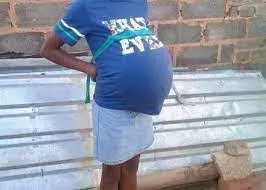
‘Child-Pregnancy Pandemic’ Rocks South Africa: Thousands of Girls as Young as 10 Give Birth Amid Fears of Widespread Rape and Neglect
- More than 123,000 births were registered to mothers aged 19 and younger in South Africa in 2025, with over 4,000 births to girls aged between 10 and 12.
- The crisis has sparked national outrage, with protests and demonstrations demanding safety and justice for women and children.
- Women’s rights activists warn that the actual number of child pregnancies is likely higher due to many cases going unreported.
- The South African government has been accused of failing to enforce child protection and sexual offences laws, allowing abuse to persist unchecked.
The streets of South Africa are filled with the sound of protests and demonstrations, as women and children demand safety and justice in the face of a growing crisis.
The country is struggling to come to terms with a ‘child-pregnancy pandemic’ that has seen thousands of girls as young as 10 give birth in public maternity wards.
The numbers are staggering – more than 123,000 births were registered to mothers aged 19 and younger in 2025, with over 4,000 births to girls aged between 10 and 12.
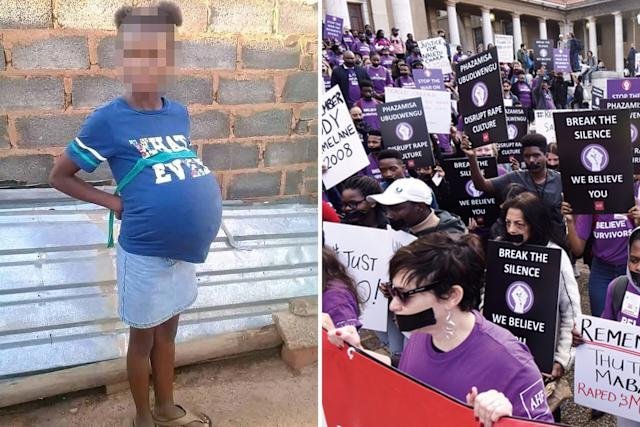
The crisis has sparked national outrage, with women’s rights activists warning that the actual number of child pregnancies is likely higher due to many cases going unreported.
The South African government has been accused of failing to enforce child protection and sexual offences laws, allowing abuse to persist unchecked.



The country’s official opposition party, the Democratic Alliance (DA), has initiated a national investigation into child and adolescent pregnancy, describing the situation as a ‘child-pregnancy pandemic’.
The crisis is not just a matter of numbers – it’s a symptom of a deeper problem. Women’s rights activists believe that the failure to effectively pursue perpetrators allows abuse to persist unchecked.
“Every pregnancy involving a child is rape,” says Lethabo, a women’s rights activist.
“When these cases are treated as medical events instead of crimes, the system is failing the child twice.” The consequences for the child are both immediate and long-lasting – pregnancy interrupts schooling, exposes girls to health risks, and often traps them in cycles of poverty and dependence.
The crisis is also linked to a broader issue of gender-based violence in South Africa.
According to statistics, between March 2024 and March 2025, more than 5578 women were murdered, and there were 7239 attempted murders, averaging about 11 women killed every day.
Additionally, there were 42,569 reported rapes and 7418 cases of sexual assault, which translates to over 116 rapes and 20 sexual assaults daily. Children, especially girls, make up a significant portion of sexual assault victims in South Africa, as highlighted by police data.
Analysis: What This Means for Australia
The crisis in South Africa has significant implications for Australia, particularly in terms of our own approach to child protection and sexual offences laws.
The Australian government has been criticized for its handling of similar issues, including the failure to effectively address the rates of child abuse and neglect in Indigenous communities.
The South African crisis serves as a stark reminder of the need for urgent reforms in policing, mandatory reporting of child rape, and accountability for neglecting abuse cases.
Security analysts say that the crisis in South Africa highlights the need for a more comprehensive approach to addressing gender-based violence, including increased funding for support services and education programs.
Law enforcement insiders warn that the failure to effectively pursue perpetrators allows abuse to persist unchecked, and that a more robust approach is needed to address the root causes of the crisis.
Industry observers believe that the crisis in South Africa serves as a wake-up call for governments around the world to take action on gender-based violence.
The protests and demonstrations in South Africa have brought attention to the issue, and have sparked a national conversation about the need for urgent reforms.
As the world watches, it’s clear that the crisis in South Africa is not just a domestic issue, but a global one – and one that requires a comprehensive and coordinated response.