
Tragedy Strikes Japanese Cycling: Olympic Silver Medallist Toshiaki Fushimi Dies in Horror Crash
- A devastating crash during the Matsusaka Keirin race claims the life of Japan’s beloved cycling legend, Toshiaki Fushimi
- The former Olympic silver medallist, 41, died in hospital after suffering serious injuries in the shocking accident
- The cycling community is in mourning, with tributes pouring in for the Keirin Grand Prix titleholder and respected rival
- Fushimi’s death serves as a sobering reminder of the risks and sacrifices made by athletes in high-speed sports
The cycling world is reeling in shock after Japanese legend Toshiaki Fushimi tragically lost his life in a horror crash during the Matsusaka Keirin race on Saturday.
The 41-year-old former Olympic silver medallist, who had built a reputation as one of Japan’s greatest Keirin riders, died in hospital on Sunday morning after suffering serious injuries in the accident.
According to eyewitness accounts, Fushimi appeared to try to avoid a collision with another rider by veering toward the outer barrier during the final lap of the race.
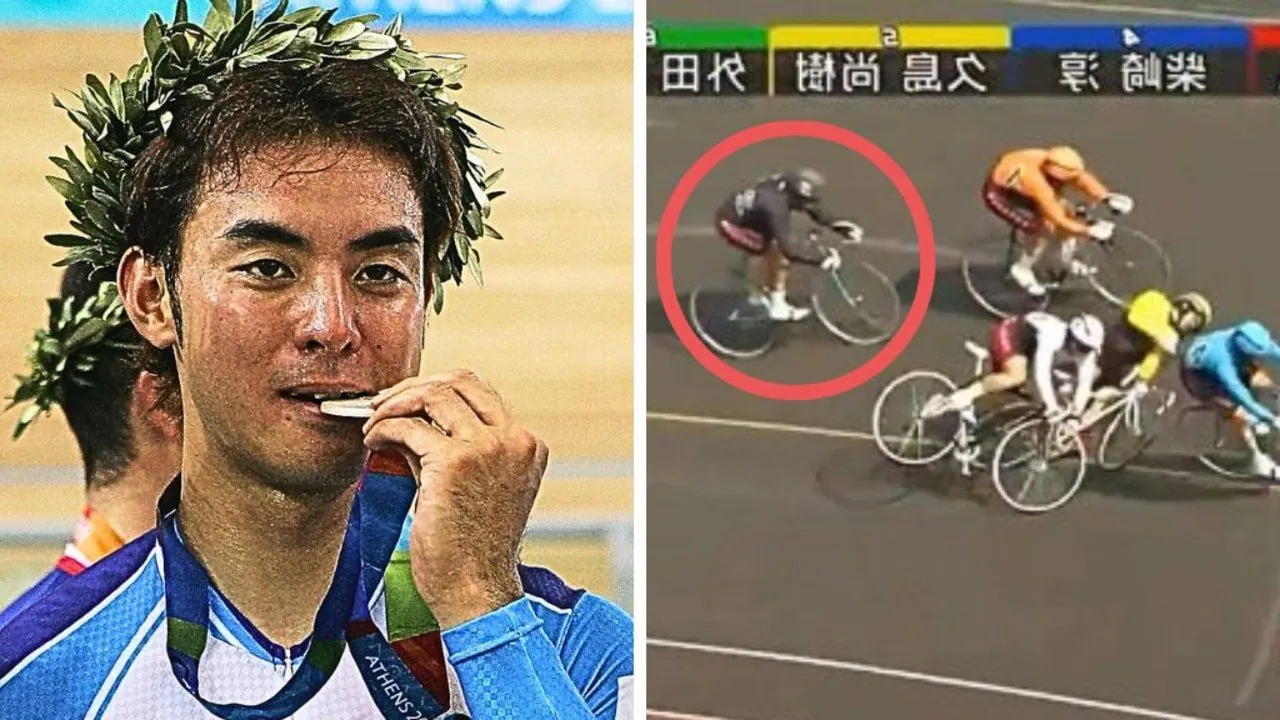
However, he lost control and crashed into the fence, sending shockwaves through the crowd. The Japan Keirin Association confirmed Fushimi’s passing, sparking an outpouring of tributes and condolences from the cycling community.
Fushimi’s illustrious career spanned over two decades, with his most notable achievement being the Olympic silver medal he won alongside Masaki Inoue and Tomohiro Nagatsuka in the men’s team sprint event at the 2004 Athens Games.


He went on to claim multiple Keirin Grand Prix titles, racking up an impressive 619 wins throughout his career. His dedication, skill, and sportsmanship earned him the respect and admiration of his peers, who are now mourning the loss of a true champion.
Retired Malaysian professional cyclist Josiah Ng Onn Lam, who had the privilege of competing against Fushimi, took to Instagram to pay tribute to his former rival.
“Toshiaki Fushimi wasn’t just a competitor. He was one of the best Keirin riders Japan has ever produced.
Grand Prix winner. Olympic Silver Medalist.
A true professional on the track,” he wrote. “We raced against each other for years.
That kind of rivalry builds a respect that doesn’t fade. Devastated to hear he lost his life doing what he loved.
My thoughts are with his family and the entire Keirin community in Japan. Rest in peace, champion.”
Fushimi’s untimely death serves as a poignant reminder of the risks and sacrifices made by athletes in high-speed sports. The incident has sparked a renewed focus on rider safety, with many calling for improved safety measures to prevent such tragedies in the future.
Analysis: What This Means for Australia
While Fushimi’s death may seem like a distant tragedy, it has significant implications for the Australian cycling community.
As a nation that prides itself on its sporting prowess, Australia has a responsibility to ensure that its athletes are competing in a safe and secure environment.
The incident highlights the need for ongoing investment in rider safety initiatives, including improved track design, enhanced safety gear, and more stringent safety protocols.
Security analysts say that the incident also underscores the importance of emergency response planning and preparedness in high-risk sports. “In the event of an accident, every second counts,” notes one expert.
“It’s crucial that event organizers and medical teams have a clear plan in place to respond quickly and effectively in emergency situations.”
Law enforcement insiders warn that the incident may also have implications for the broader sporting community, highlighting the need for increased vigilance and cooperation between event organizers, athletes, and authorities to prevent similar tragedies in the future.
As the cycling community comes to terms with the loss of a true legend, one thing is clear: Toshiaki Fushimi’s legacy will live on, inspiring a new generation of athletes to strive for greatness while never forgetting the risks and sacrifices made by those who have come before them.