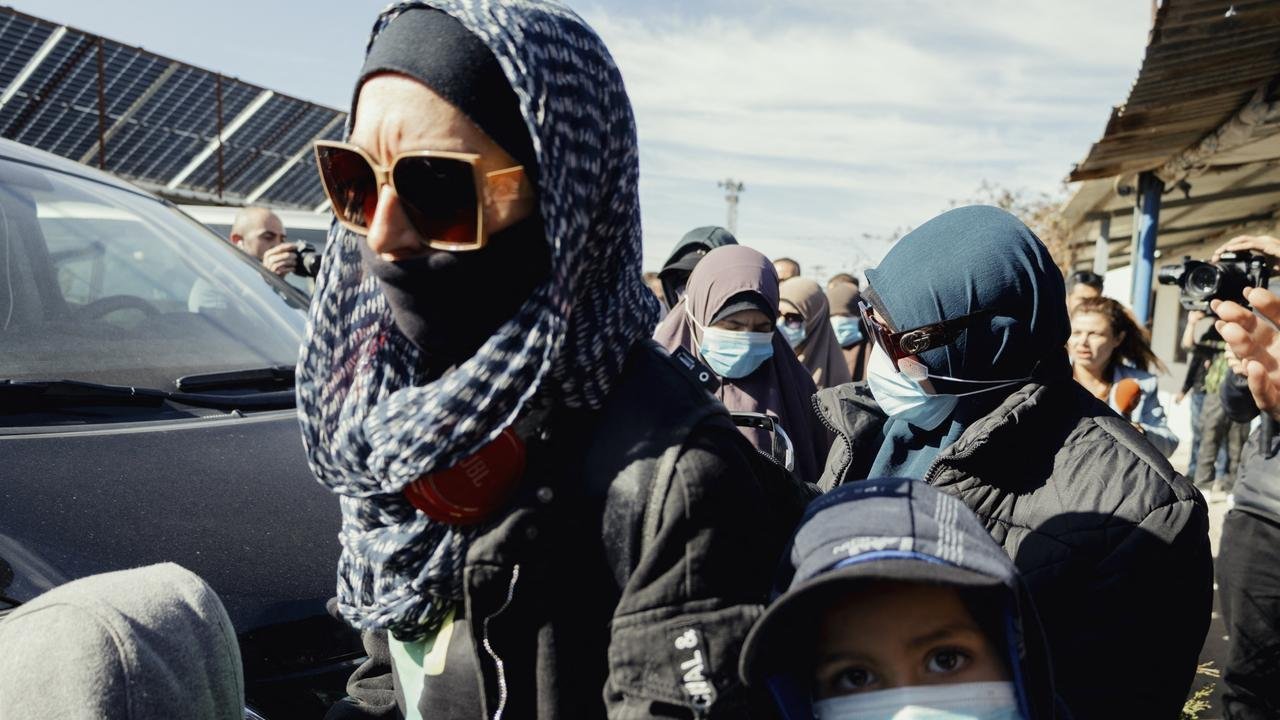
Australian ISIS Brides and Children Set to Return: Can the Government Stop Them?
- A group of 13 Australian citizens, including four women and nine children, are set to return to Australia after seven years in a Syrian camp
- International law expert warns any attempt to block their return is unlikely to succeed due to Australia’s legal obligations to its citizens
- The group may face charges under the Commonwealth criminal code for their activities in Syria, but a law change is unlikely
- Temporary exclusion orders may be used to delay their return on national security grounds, but this does not remove their citizenship or permanently block entry
The Australian government is bracing for the potential return of 13 citizens, including four women and nine children, who have been held in a Syrian camp for seven years.
The group, which includes ISIS brides and their children, are believed to have secured flights out of the camp, sparking concerns about national security and public safety.
Their return is not without controversy, with some calling for the government to block their entry. However, international law expert Donald Rothwell says any attempt to change the law to prevent their return is unlikely to succeed.
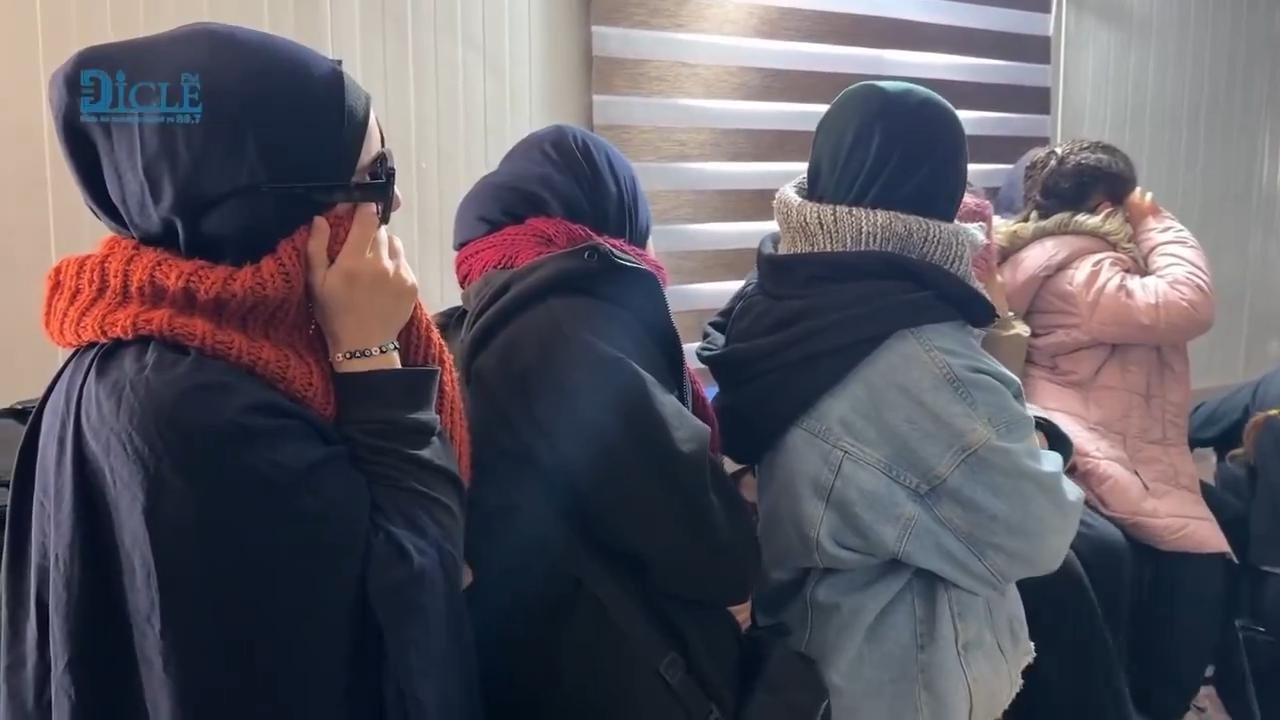
“The likelihood of those laws changing is fairly remote,” he said. Rothwell acknowledges the concerns, but notes that Australia’s legal obligations to its citizens make it difficult to deny them entry.
So, how did we get here? The 13 Australians have been held in the Syrian camp since the fall of the Islamic State caliphate.




The group includes women who traveled to Syria to join ISIS, as well as their children, who were either born in the country or taken there by their parents.
The Australian government has maintained it is not facilitating their return, but has warned that any who do arrive will face the full force of the law.
But what does this mean for Australia? The return of ISIS brides and their children raises serious concerns about national security and public safety.
The government has a responsibility to protect its citizens, but it must also balance this with its obligations to its own citizens, no matter how unsavory their actions may be.
Analysis: What This Means for Australia
The return of ISIS brides and their children is a complex issue that raises serious questions about national security, public safety, and the rule of law.
While some may call for the government to block their entry, the reality is that Australia has a responsibility to its citizens, no matter where they are in the world.
The government must balance this responsibility with the need to protect its citizens from potential security threats.
Security analysts say that the return of ISIS brides and their children is a significant concern, but not a surprise. “We’ve seen this before,” said one analyst.
“The government has faced this scenario before, and it’s likely that they will rely on existing powers to manage the situation.” This may include issuing temporary exclusion orders to delay their return on national security grounds, or charging them with offences under the Commonwealth criminal code.
Law enforcement insiders warn that the return of ISIS brides and their children will put a strain on resources, particularly in terms of monitoring and surveillance.
“It’s not just about the individuals themselves, but also about the potential for them to radicalize others,” said one insider.
Industry observers believe that the government’s approach will be guided by a desire to balance national security concerns with the need to uphold the rule of law.
“The government will want to ensure that any actions it takes are proportionate and in line with international law,” said one observer.
As the 13 Australians prepare to return to Australia, the government is facing a difficult decision.
While some may call for their entry to be blocked, the reality is that Australia has a responsibility to its citizens, no matter where they are in the world.
The government must balance this responsibility with the need to protect its citizens from potential security threats, and ensure that any actions it takes are proportionate and in line with international law.
In the end, the return of ISIS brides and their children is a complex issue that requires a nuanced approach.
While there are no easy answers, one thing is clear: the government must prioritize national security and public safety, while also upholding the rule of law.