Measles Alert Issued as Sydney Traveler Brings Home the Highly Contagious Disease from Japan – Is Your Family at Risk?
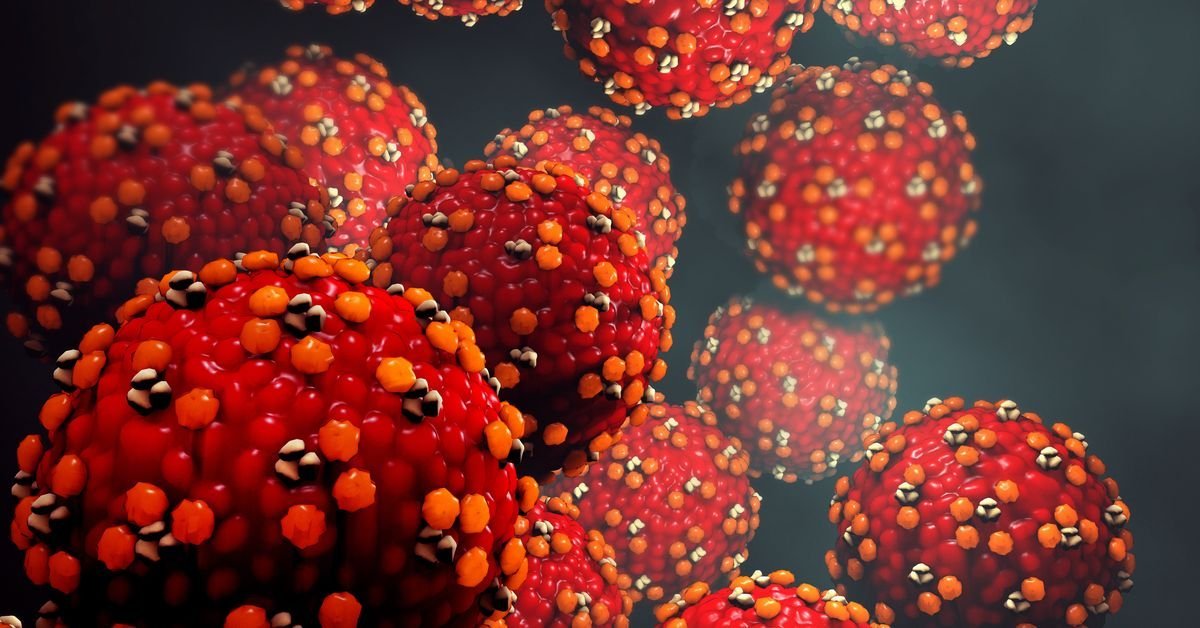
- A Sydney traveler has been diagnosed with measles after returning from Japan, where cases are surging, sparking a health alert for hundreds of people who may have been exposed.
- The infected person visited several locations in Sydney, including a hospital and a hotel, while unknowingly infectious, putting vulnerable groups such as pregnant women and young children at risk.
- Health authorities are urging people who attended these locations to monitor for symptoms, which can take up to 18 days to appear, and to get vaccinated if they haven’t already had two doses of the MMR vaccine.
- The measles outbreak has raised concerns about the risks of vaccine-preventable diseases in Australia, particularly among travelers returning from overseas hotspots.
As the measles outbreak continues to spread globally, Sydney residents are on high alert after a traveler returning from Japan was diagnosed with the highly contagious disease.
The latest case brings the total number of measles infections in NSW to 45 so far this year, with health authorities warning that the risk of transmission is high, particularly among those who are not fully vaccinated.
The infected traveler, who recently returned from Japan, was on China Airlines flight CI51 from Taipei to Sydney on Sunday, arriving at 10.40am.
They were in the arrival’s terminal baggage claim area until about 12.30pm and also visited Concord Repatriation General Hospital and Crowne Plaza in Burwood while unknowingly infectious.
A full list of exposure sites is being updated regularly and is available on the NSW Health website.

Pregnant women, people with weakened immune systems, or infants who attended one of the listed locations and it has been less than six days since that exposure are advised to contact their local Public Health Unit on 1300 066 055.
Dr Isabel Hess, Deputy Director of the Sydney Local Health District Public Health Unit, urged people who attended these locations to monitor for symptoms, which may include fever, runny nose, sore eyes, and a cough, usually followed three or four days later by a red, blotchy rash that spreads from the head to the rest of the body.
Analysis: What This Means for AustraliaThe measles outbreak has significant implications for Australia’s public health system, particularly in terms of vaccine-preventable diseases.
With the rise of anti-vaccination movements and declining vaccination rates in some areas, the risk of outbreaks is increasing.
According to the Australian Bureau of Statistics Australian Bureau of Statistics, vaccination rates for children under the age of five have declined in recent years, leaving them vulnerable to diseases like measles.
Security analysts say that the measles outbreak highlights the need for increased vigilance at airports and other entry points, particularly during peak travel seasons.
“We need to ensure that people who are traveling to and from high-risk areas are properly screened and vaccinated before they enter the country,” said one analyst.
Law enforcement insiders warn that the outbreak also raises concerns about the spread of diseases through human trafficking and other illicit activities.
“We need to work closely with health authorities to identify and track individuals who may be carrying diseases like measles and ensure that they are properly quarantined and treated,” said an insider.
Industry observers believe that the measles outbreak is a wake-up call for the government to invest more in public health infrastructure and education campaigns to promote vaccination.
“We need to educate the public about the risks of vaccine-preventable diseases and the importance of getting vaccinated, particularly for children and vulnerable groups,” said one observer.
As the measles outbreak continues to spread, it is essential for Australians to take precautions and get vaccinated if they haven’t already.
With the risk of transmission high, particularly among those who are not fully vaccinated, it is crucial that we take steps to protect ourselves and our loved ones.
As the measles outbreak continues to spread globally, Sydney residents are on high alert after a traveler returning from Japan was diagnosed with the highly contagious disease. The latest case brings the total number of measles infections in NSW to 45 so far this year, with health authorities warning that the risk of transmission is high, particularly among those who are not fully vaccinated.
The infected traveler, who recently returned from Japan, was on China Airlines flight CI51 from Taipei to Sydney on Sunday, arriving at 10.40am. They were in the arrival’s terminal baggage claim area until about 12.30pm and also visited Concord Repatriation General Hospital and Crowne Plaza in Burwood while unknowingly infectious. A full list of exposure sites is being updated regularly and is available on the NSW Health website.
Pregnant women, people with weakened immune systems, or infants who attended one of the listed locations and it has been less than six days since that exposure are advised to contact their local Public Health Unit on 1300 066 055. Dr Isabel Hess, Deputy Director of the Sydney Local Health District Public Health Unit, urged people who attended these locations to monitor for symptoms, which may include fever, runny nose, sore eyes, and a cough, usually followed three or four days later by a red, blotchy rash that spreads from the head to the rest of the body.
The measles outbreak has significant implications for Australia’s public health system, particularly in terms of vaccine-preventable diseases. With the rise of anti-vaccination movements and declining vaccination rates in some areas, the risk of outbreaks is increasing. According to the Australian Bureau of Statistics , vaccination rates for children under the age of five have declined in recent years, leaving them vulnerable to diseases like measles.
Security analysts say that the measles outbreak highlights the need for increased vigilance at airports and other entry points, particularly during peak travel seasons. “We need to ensure that people who are traveling to and from high-risk areas are properly screened and vaccinated before they enter the country,” said one analyst.
Law enforcement insiders warn that the outbreak also raises concerns about the spread of diseases through human trafficking and other illicit activities. “We need to work closely with health authorities to identify and track individuals who may be carrying diseases like measles and ensure that they are properly quarantined and treated,” said an insider.
Industry observers believe that the measles outbreak is a wake-up call for the government to invest more in public health infrastructure and education campaigns to promote vaccination. “We need to educate the public about the risks of vaccine-preventable diseases and the importance of getting vaccinated, particularly for children and vulnerable groups,” said one observer.
As the measles outbreak continues to spread, it is essential for Australians to take precautions and get vaccinated if they haven’t already. With the risk of transmission high, particularly among those who are not fully vaccinated, it is crucial that we take steps to protect ourselves and our loved ones.