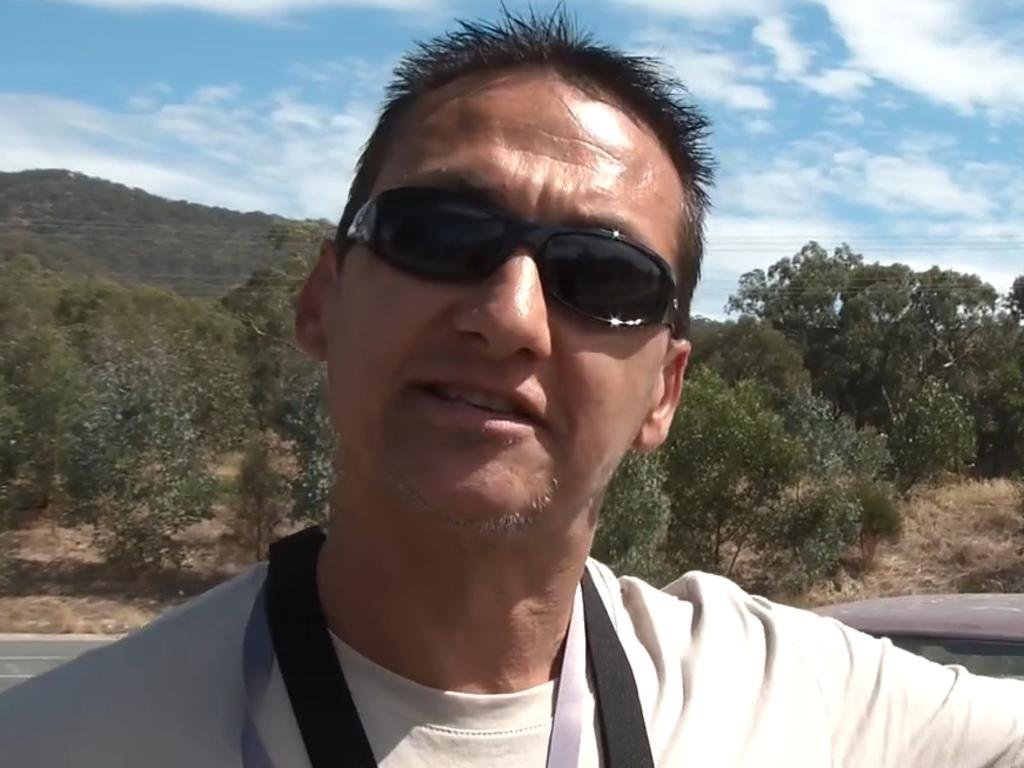
BREAKING: Sovereign Citizen’s Dark Secret Exposed – Hundreds of Child Abuse Files Uncovered After Police Killings
- Dezi Freeman, a 56-year-old sovereign citizen, was shot dead by police after a 216-day manhunt, but not before he killed two officers and injured a third.
- Hundreds of files containing child abuse material were found on Freeman’s devices, which police were searching for when he opened fire on them.
- The investigation into Freeman’s activities has raised questions about the rise of the sovereign citizen movement in Australia and its potential links to serious crime.
- Police are now hunting for those who helped Freeman evade capture and survive on the run for seven months.
The shocking truth about Dezi Freeman, the sovereign citizen who killed two police officers and injured a third, has finally been exposed.
As police closed in on him after a 216-day manhunt, they discovered a dark secret that has left the community reeling: hundreds of files containing child abuse material on his devices.
Freeman, 56, was a self-proclaimed sovereign citizen who lived in a ramshackle bus in the north-east Victorian town of Porepunkah with his wife and children.
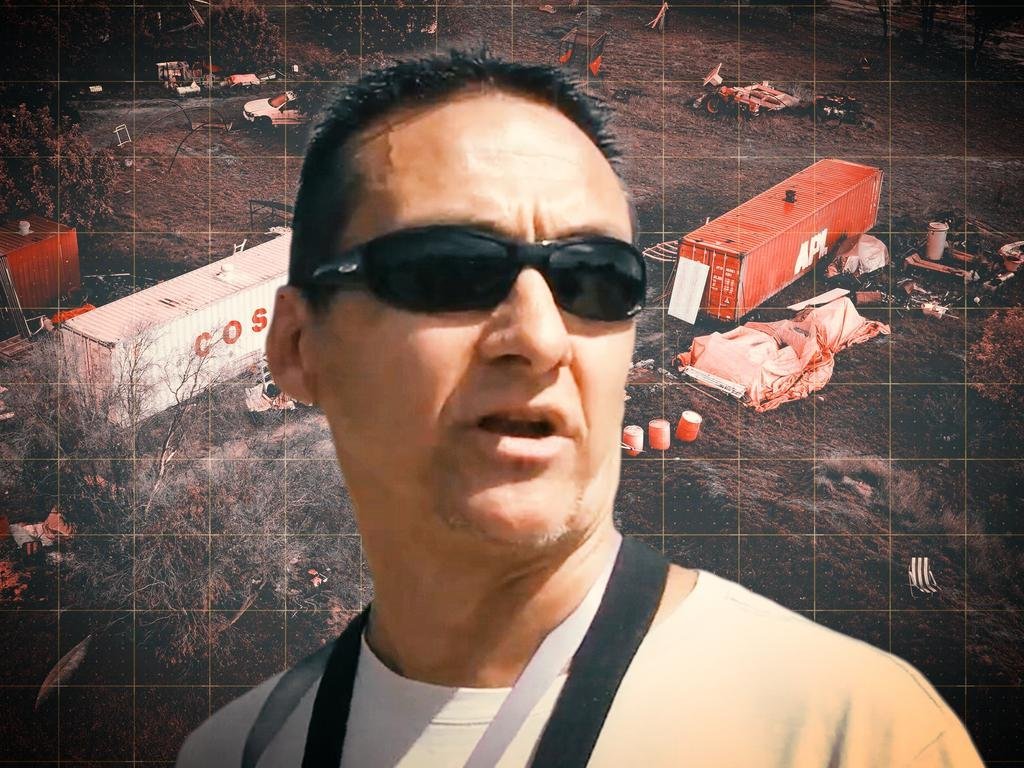
He was known for his hatred of police, who he once described as “f**king Nazis”. But what police didn’t know was that he was hiding a sinister secret.
On the day of the shooting, police were executing a search warrant at Freeman’s home, searching for devices that would later reveal the shocking truth. The raid went horribly wrong when Freeman opened fire on police, killing Neal Thompson and Vadim de Waart-Hottart, and injuring a third officer.

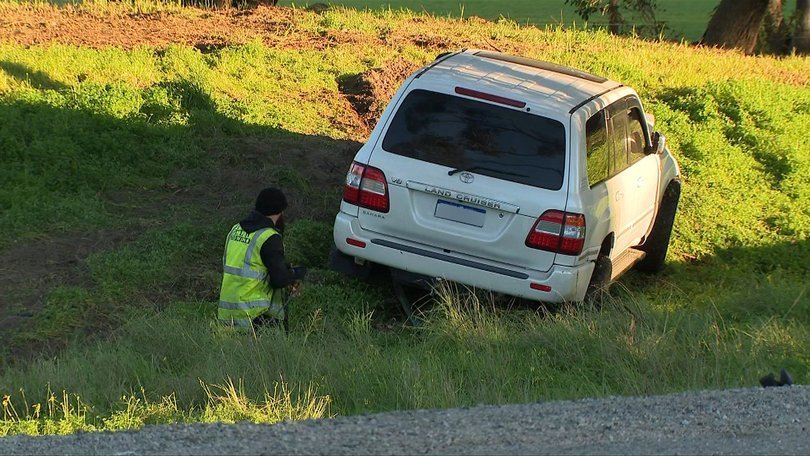


He then disappeared into the bush, sparking a massive manhunt that would last for months.
Detectives from the Wangaratta Sexual Offences and Child Abuse Investigation Team had been investigating Freeman for historical sex offences, including allegations of sexual exposure.
Multiple law enforcement sources have confirmed that the investigation was ongoing at the time of the shooting, and that Freeman will never face charges due to his death.
As police scoured Freeman’s devices, they discovered hundreds of files containing child abuse material. The investigation has raised questions about the rise of the sovereign citizen movement in Australia and its potential links to serious crime.
Freeman was a long-term welfare recipient who received regular disability pension payments, despite his claims that he did not recognize the legitimacy of the government.
Security analysts say that the sovereign citizen movement is a growing concern in Australia, with many of its adherents holding extremist views and a deep-seated hatred of authority.
“The movement is a magnet for individuals who are disaffected and disillusioned with society,” said one expert. “It’s a breeding ground for extremism and violence.”
Law enforcement insiders warn that the movement’s ideology is particularly insidious, as it preaches that individuals are above the law and can disregard the rules of society.
“It’s a recipe for disaster,” said one source. “These individuals are a threat to public safety and national security.”
Analysis: What This Means for Australia
The Freeman case has raised serious questions about the rise of the sovereign citizen movement in Australia and its potential links to serious crime.
The discovery of child abuse material on Freeman’s devices has shocked the community and highlighted the need for greater scrutiny of the movement and its adherents.
The case also raises concerns about the ability of law enforcement to tackle the movement and its ideology.
The fact that Freeman was able to evade capture for seven months and survive on the run for so long is a worrying sign that the movement may be more organized and sophisticated than previously thought.
Industry observers believe that the case will lead to a renewed focus on the sovereign citizen movement and its potential links to serious crime. “This is a wake-up call for law enforcement and the community,” said one expert.
“We need to take a closer look at this movement and its ideology, and take action to prevent further violence and extremism.”