Interest Rate Showdown: Will the Reserve Bank Raise the Bar Again?
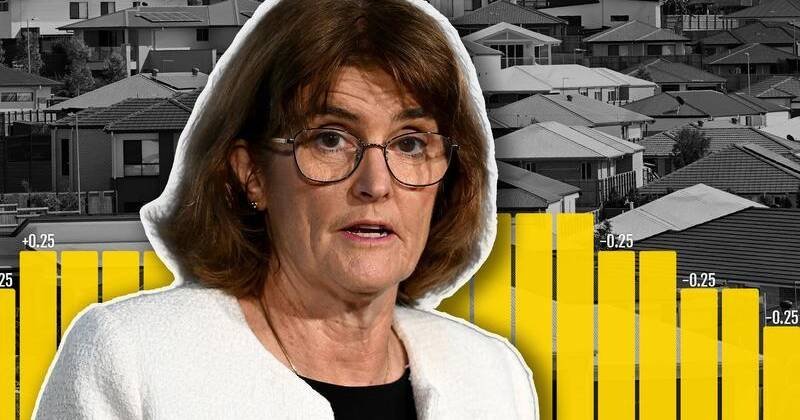
- The Reserve Bank is set to make a crucial decision on interest rates, with financial markets and economists predicting a third straight rate hike.
- But some experts warn that the bank may choose to keep rates on hold, citing uncertainty around the domestic growth outlook and the impact of the US-Israeli war with Iran.
- The decision will have significant implications for Australian households, businesses, and the economy as a whole, with the potential to exacerbate the housing affordability crisis and slow down economic growth.
- As the Reserve Bank grapples with the dual threats of high inflation and a stalling economy, analysts are warning of a potential downturn and urging caution.
The Reserve Bank of Australia is poised to make a critical decision on interest rates, with financial markets and economists predicting a third straight rate hike.
But some experts are warning that the bank may choose to keep rates on hold, citing uncertainty around the domestic growth outlook and the impact of the US-Israeli war with Iran.
The decision will have significant implications for Australian households, businesses, and the economy as a whole, with the potential to exacerbate the housing affordability crisis and slow down economic growth.
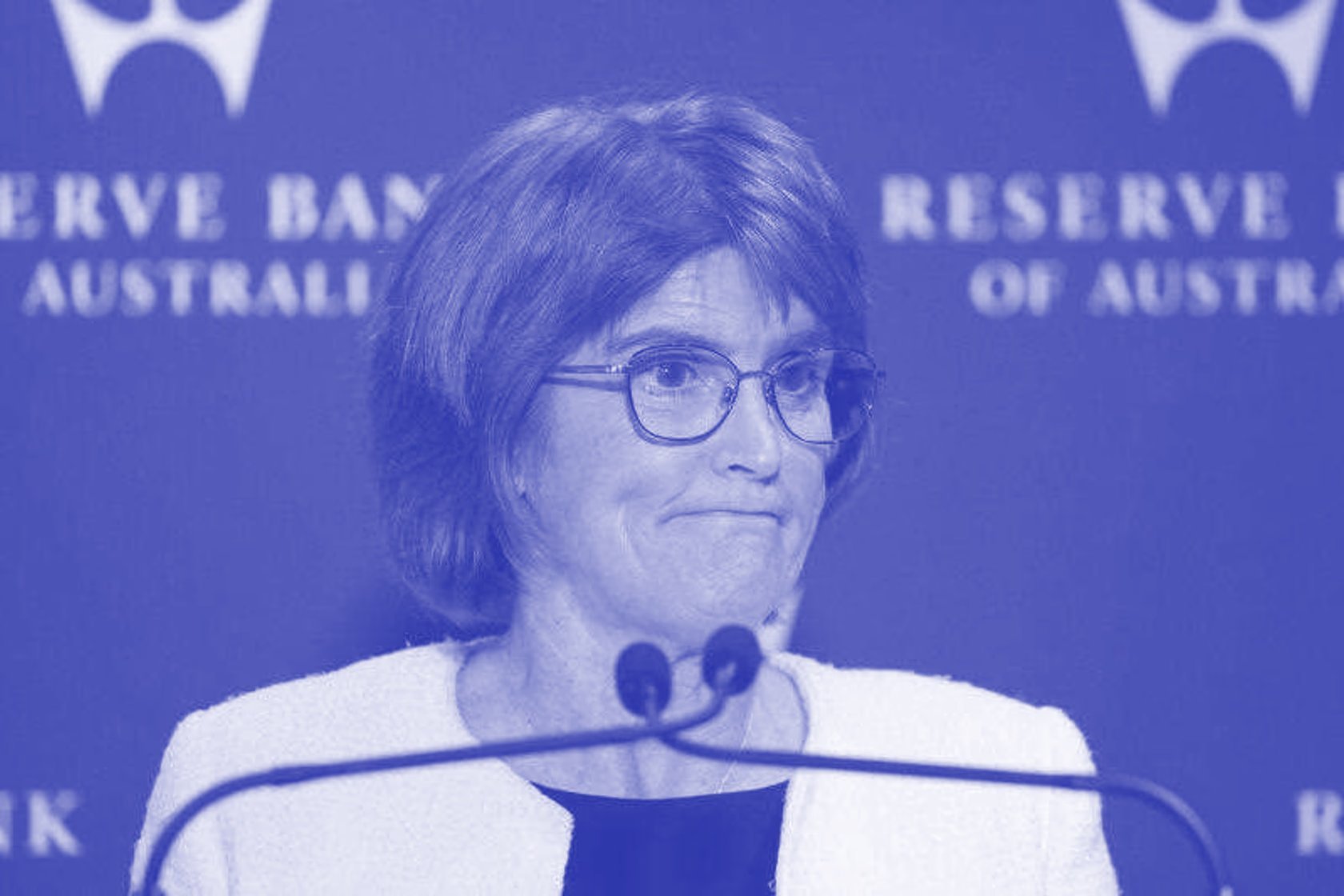
ANZ Bank head of Australian economics Adam Boyton is part of the chorus predicting the Reserve Bank will lift the official cash rate to 4.35 per cent — the same level as its post-COVID-19 pandemic peak.
However, he thinks it won’t be a lay down misere, with several members likely to vote in favour of keeping rates on hold.



“The combination of a tight labour market, above-target underlying inflation and concerns inflation expectations could become unanchored all point in favour of a hike,” he said.
But some board members may be swayed by the uncertainty surrounding the path forward, particularly in light of the US-Israeli war with Iran and its effects on the economy.
In March, four of the board’s nine members voted unsuccessfully to keep rates on hold, arguing there was too much uncertainty around the domestic growth outlook and how the conflict in the Middle East would evolve.
Uncertainty around the path forward would be reflected in the bank’s post-meeting communications, Mr Boyton said, with no forward guidance expected.
Analysis: What This Means for Australia
The Reserve Bank’s decision will have far-reaching implications for Australian households and businesses. A rate hike could exacerbate the housing affordability crisis, making it even harder for first-home buyers to enter the market.
On the other hand, keeping rates on hold could provide some relief for households and businesses struggling to keep up with rising costs. However, it could also perpetuate inflation and undermine the bank’s credibility.
Security analysts say that the Reserve Bank’s decision will be closely watched by financial markets and will have significant implications for the Australian economy. “The Reserve Bank is walking a tightrope between keeping inflation under control and supporting economic growth,” said one analyst.
“A rate hike could be seen as a sign of confidence in the economy, but it could also have unintended consequences, such as reducing consumer spending and slowing down economic growth.”
Law enforcement insiders warn that the decision could also have implications for the housing market, with some predicting a downturn in the sector. “The housing market is already showing signs of slowing down, and a rate hike could be the final nail in the coffin,” said one insider.
“We could see a surge in foreclosures and a decline in property values, which would have serious implications for the economy as a whole.”
Economists at ANZ, NAB, Commonwealth Bank, Deutsche Bank and HSBC think the Reserve Bank will stand pat after Tuesday, citing concerns about the impact of the US-Israeli war with Iran on the economy.
“Whether the RBA delivers further tightening beyond May will depend on how quickly the economy weakens,” said HSBC’s local chief economist Paul Bloxham.
As the Reserve Bank grapples with the dual threats of high inflation and a stalling economy, analysts are warning of a potential downturn and urging caution.
The Australian Bureau of Statistics will release household spending figures for March on Tuesday, which will provide further insight into the state of the economy. Building approvals figures for March will also be published on Monday, which could provide a glimpse into the state of the housing market.
In the meantime, the S&P/ASX200 gained 64 points on Friday, up 0.74 per cent, to 8,729.8, while the broader All Ordinaries improved by 67 points, or 0.75 per cent, to 8,954.6.
The Dow Jones Industrial Average fell 155.67 points, or 0.31 per cent, to 49,496.47.
The S&P 500 gained 20.46 points, or 0.28 per cent, to end at 7,229.47 points, while the Nasdaq Composite gained 217.67 points, or 0.87 per cent, to 25,109.98.
As the Reserve Bank prepares to make its decision, one thing is clear: the stakes are high, and the implications will be far-reaching. Will the Reserve Bank choose to raise rates again, or will it opt for a more cautious approach?
Only time will tell.