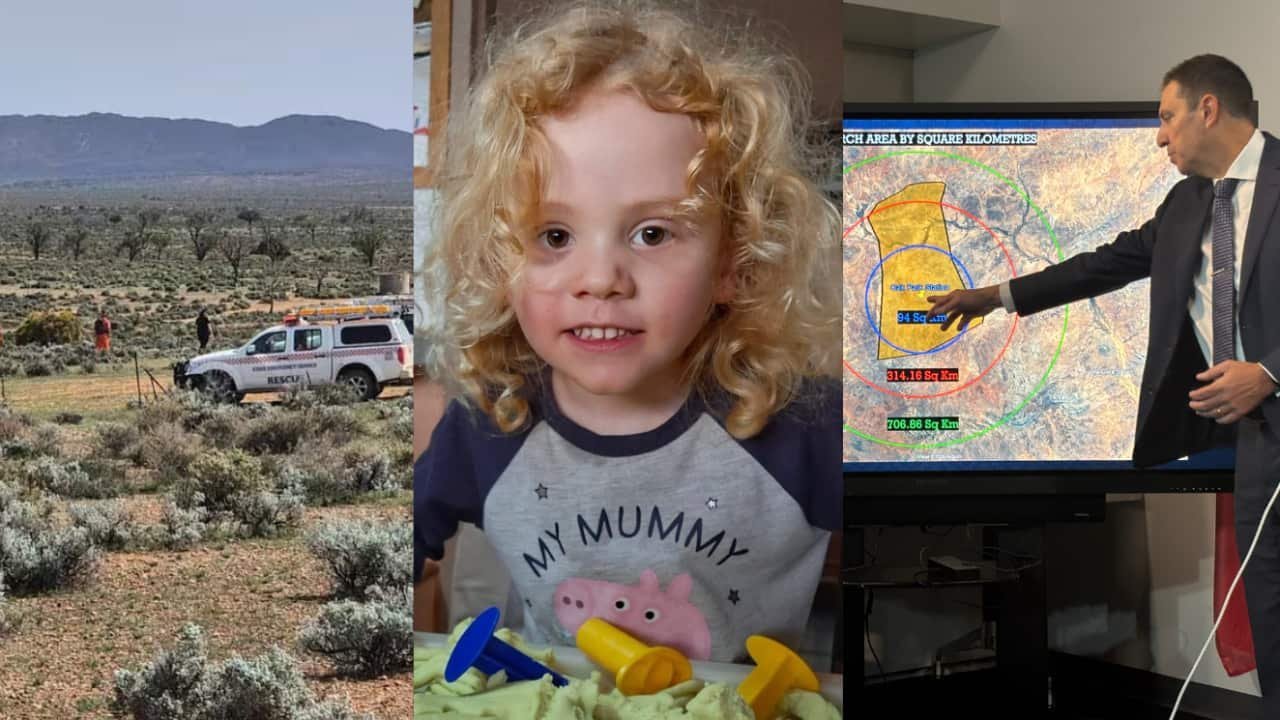
Seven Months On: The Desperate Search for August ‘Gus’ Lamont Continues to Haunt Australia’s Outback Community
- Police still have no major breakthroughs in the disappearance of four-year-old August ‘Gus’ Lamont, seven months after one of South Australia’s largest search operations.
- A single footprint found 500m from the family’s remote homestead remains the only confirmed clue in the case.
- The Lamont family’s ‘shattered’ lives are a stark reminder of the devastating impact of Gus’s disappearance on the tiny outback community of Yunta.
- Task Force Horizon continues to pursue new leads, but the lack of answers has left a family and community desperate for closure.
The disappearance of August ‘Gus’ Lamont has left an indelible mark on the small outback community of Yunta, where the four-year-old was last seen playing outside his family’s remote Oak Park Station on September 27, 2025.
Seven months on, the search for answers remains a painful and frustrating journey for the Lamont family and the investigators tasked with solving the case.
Despite a massive multi-agency search effort involving drones, helicopters, mounted officers, ground crews, and Indigenous trackers, the only confirmed clue remains a single footprint found about 500m from the homestead.
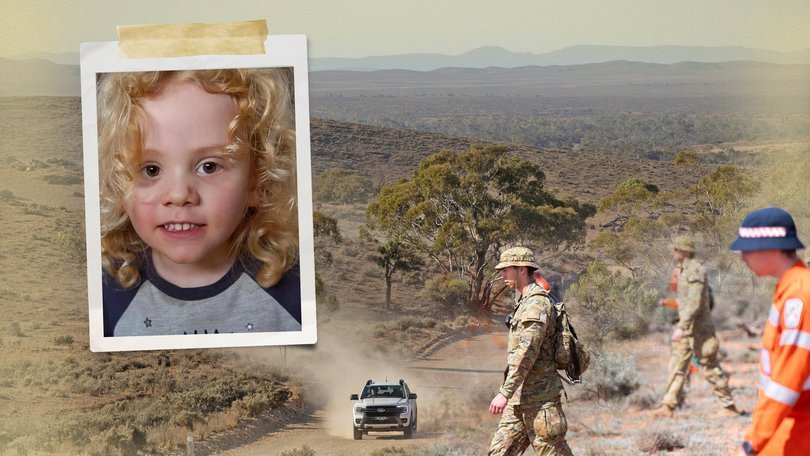
The lack of progress in the case has been deeply felt by the community, with SA Police Commissioner Grant Stevens acknowledging the weight of the case on both the family and the wider community.
The case was declared a major crime in early February after detectives identified a person living at the station as a suspect. However, police have repeatedly stressed that neither of Gus’s parents are suspects.

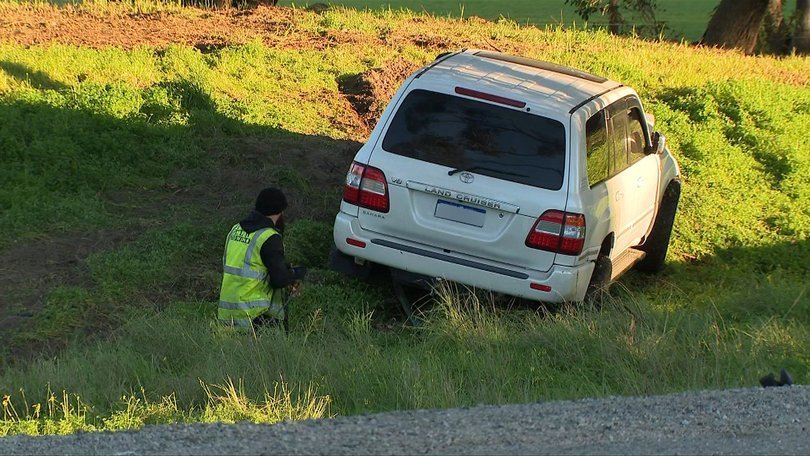
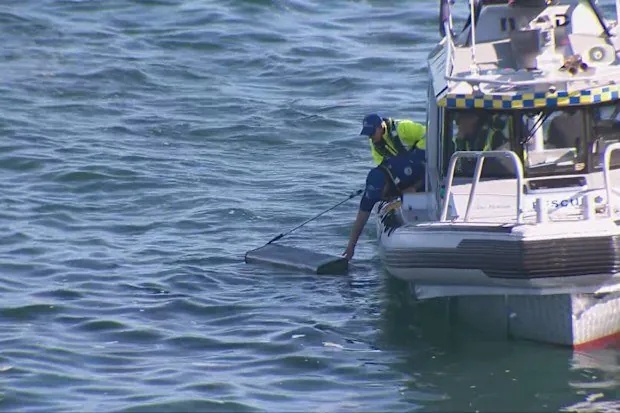

The Lamont family has maintained a public plea for information, with Gus’s parents, Josh and Jess, releasing a raw and emotional appeal in February, describing their lives as “shattered” and begging anyone with information to come forward.
The investigation has been ongoing, with Task Force Horizon continuing to pursue new leads. However, the seven-month milestone has again highlighted the desperation for answers that pervades the community.
Gus’s grandmother, Shannon Murray, has maintained hope, saying through her lawyer that she continues to support the investigation and “hopes that some information comes to light soon.”
Security analysts say that the case highlights the challenges faced by law enforcement in remote areas, where resources and manpower can be limited. “The disappearance of Gus Lamont is a stark reminder of the complexities and difficulties of investigating crimes in remote areas,” said one expert.
“The lack of infrastructure and the vast distances involved can make it extremely challenging to gather evidence and piece together the events surrounding a disappearance.”
Law enforcement insiders warn that the case also raises concerns about the vulnerability of children in remote areas, where access to support services and resources can be limited.
“The disappearance of Gus Lamont is a tragic reminder of the risks faced by children in remote areas,” said one insider. “It highlights the need for increased support and resources for families living in these areas, as well as the importance of community vigilance and awareness.”
Analysis: What This Means for Australia
The disappearance of August ‘Gus’ Lamont has significant implications for Australia’s national security and law enforcement capabilities.
The case highlights the need for increased resources and support for remote communities, as well as the importance of community engagement and cooperation in solving crimes.
The investigation also raises questions about the effectiveness of current protocols and procedures for investigating disappearances in remote areas.
Industry observers believe that the case will lead to a renewed focus on the development of strategies and resources for supporting remote communities and investigating crimes in these areas.
“The disappearance of Gus Lamont is a wake-up call for Australia’s law enforcement agencies,” said one observer. “It highlights the need for increased investment in resources and infrastructure, as well as the importance of community engagement and cooperation in solving crimes.”
As the search for answers continues, the Lamont family and the community of Yunta remain hopeful that justice will be served. However, the lack of progress in the case serves as a stark reminder of the complexities and challenges involved in solving crimes in remote areas.
The case of August ‘Gus’ Lamont will undoubtedly have a lasting impact on the community and the nation, highlighting the need for increased support and resources for remote areas and the importance of community vigilance and awareness.