‘Visionary’ $3.5 Billion Derwent River Tunnel Plan Unveiled: Could This Be the Answer to Hobart’s Traffic Nightmare?
- A renowned mechanical engineer is pushing for a four-kilometre tunnel under the Derwent River, estimated to cost between $1.5 and $3.5 billion.
- The proposed tunnel would provide a faster and more efficient route between the Eastern Shore and the Brooker Highway corridor, avoiding congested suburbs.
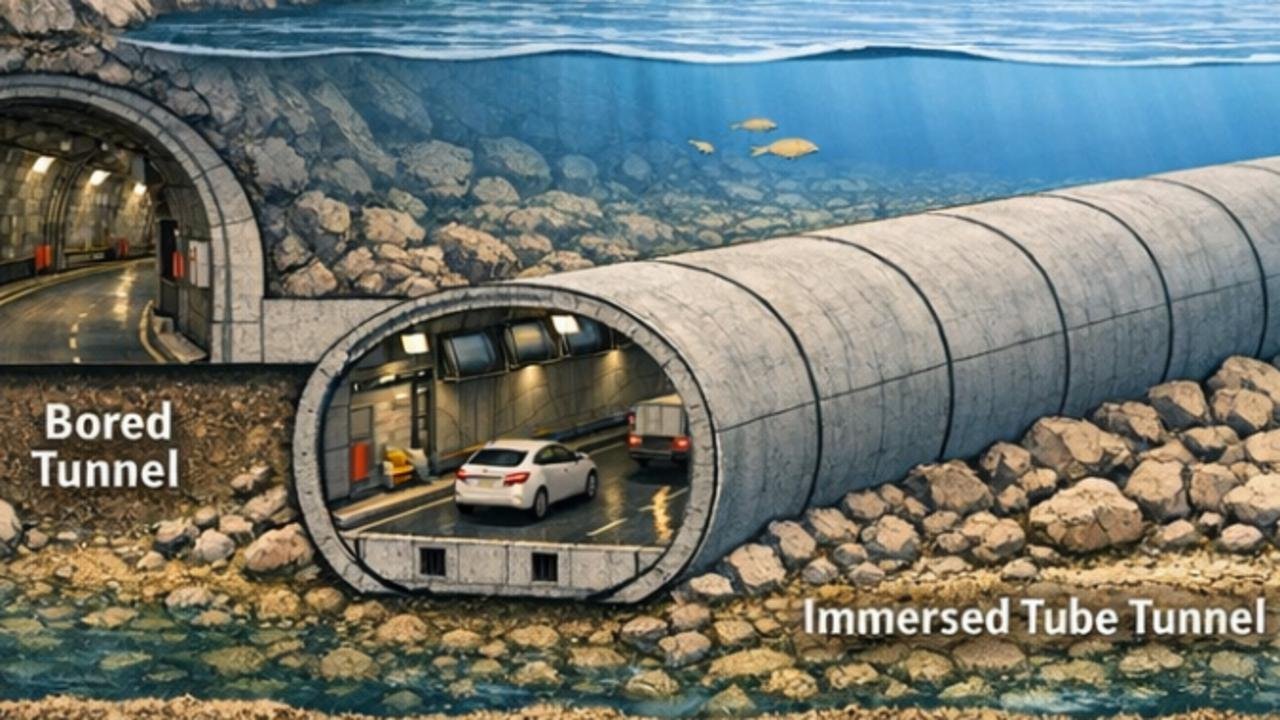
- Proponents argue that a tunnel would eliminate ship impact risk, reduce noise and air pollution, and allow the Tasman Bridge to be repurposed for public transport, cycling, and walking.
- The Tasmanian government is urged to conduct a formal feasibility study to consider the tunnel option alongside a replacement bridge and a hybrid tunnel design.
The city of Hobart is on the cusp of a critical decision that will shape its future for generations to come.
With the Tasman Bridge nearing the end of its efficient service life in the 2060s, the search is on for a solution to the city’s growing traffic woes.
Enter Tony Peach, a highly respected mechanical engineer with a vision for a four-kilometre tunnel under the Derwent River.
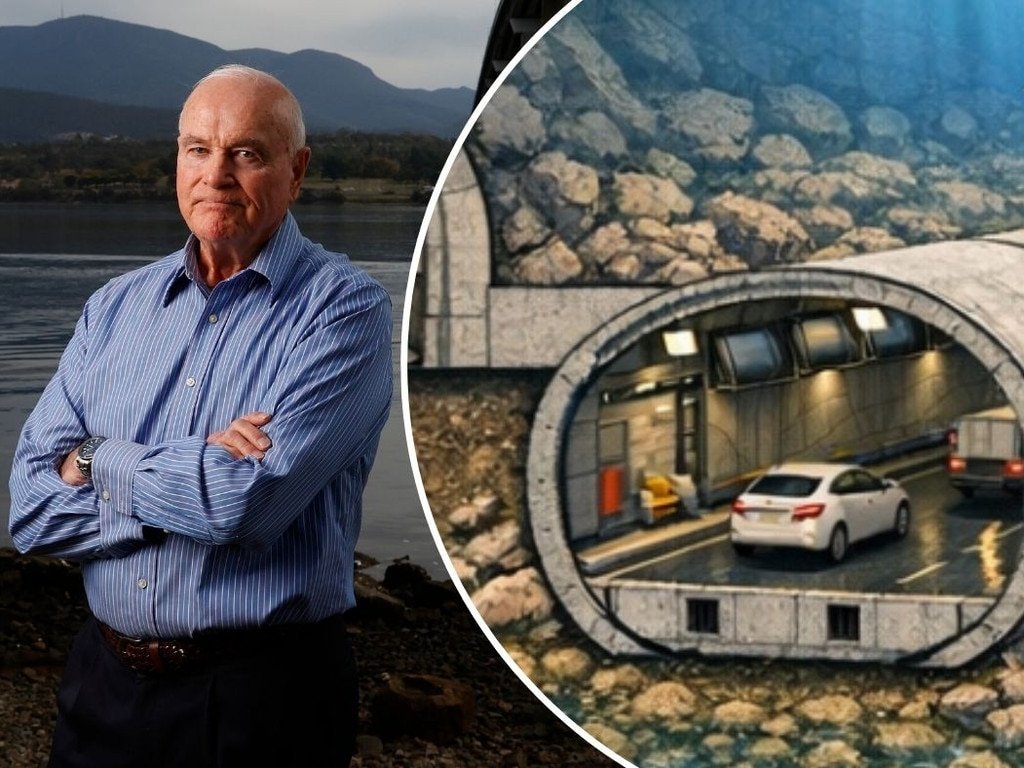
The proposed tunnel, estimated to cost between $1.5 and $3.5 billion, has been hailed as a game-changer for the city’s traffic congestion problems.
According to Peach, the tunnel would provide a faster and more efficient route between the Eastern Shore and the Brooker Highway corridor, avoiding congested suburbs like Lindisfarne, Rose Bay, Montagu Bay, New Town, and Lutana.
The tunnel’s proposed route would begin at the East Derwent Highway near Flagstaff Gully Road, pass underground beneath Geilston Bay and Shag Bay, and cross deep under the Derwent River, emerging near Risdon Road.
This route would not only reduce traffic congestion but also eliminate the risk of ship impact, reduce noise and air pollution, and preserve the city’s iconic skyline.
So, why a tunnel and not a second bridge? Peach argues that a bridge would funnel even more traffic through already congested suburbs, exacerbating the problem.
In contrast, a tunnel would provide a new, efficient connection between the Eastern Shore and the Brooker Highway corridor, creating a more sustainable and livable city.
The tunnel’s design would also allow for the Tasman Bridge to be repurposed for public transport, cycling, and walking, a move that would be a boon for the city’s residents.
Peach’s proposal is not without its challenges. The estimated cost of the tunnel is significantly higher than that of a new bridge, with estimates ranging from $1.5 to $3.5 billion.
However, Peach argues that the tunnel’s benefits would far outweigh the costs over its 100-plus-year lifespan. He points to the reduced maintenance costs, improved safety, and enhanced community wellbeing as key advantages of the tunnel option.
Security analysts say that the tunnel’s design would also have significant national security implications, providing a safe and secure route for emergency services and critical infrastructure.
“A tunnel would eliminate the risk of ship impact, reducing the potential for catastrophic damage to the city’s infrastructure,” said one expert. “It would also provide a secure route for emergency services, ensuring that they can respond quickly and effectively in the event of an emergency.”
Law enforcement insiders warn that the tunnel would also have significant implications for crime prevention and traffic management.
“A tunnel would provide a more secure and controlled environment for traffic management, reducing the risk of accidents and improving response times for emergency services,” said one insider.
Analysis: What This Means for Australia
The proposed Derwent River tunnel has significant implications for Australia’s national security, law enforcement, and community wellbeing. As the city of Hobart continues to grow and develop, it is essential that its infrastructure keeps pace.
The tunnel option provides a unique opportunity for the city to invest in a sustainable and secure future, one that prioritizes the needs of its residents and visitors.
As Peach so eloquently puts it, “This is a once in a century choice. It deserves a full and open conversation so that we can make an informed evidence-based decision about the future of our city.”