Tragedy on the Murrumbidgee: Why a Baby’s Death Exposes Australia’s Homelessness Crisis
- A newborn baby’s tragic death in a Wagga Wagga riverbank camp has sparked outrage and demands for action to address the city’s growing homelessness crisis.
- Despite government efforts, dozens of people have been forced to live in squalid conditions along the Murrumbidgee River, with some residents saying they have nowhere else to go.
- The state government has launched an investigation into the woman’s interactions with services leading up to the birth, as the community rallies around the family and calls for more support.
- Experts warn that the incident highlights the dire need for more affordable housing and better support services, as the number of rough sleepers and homeless individuals continues to rise.
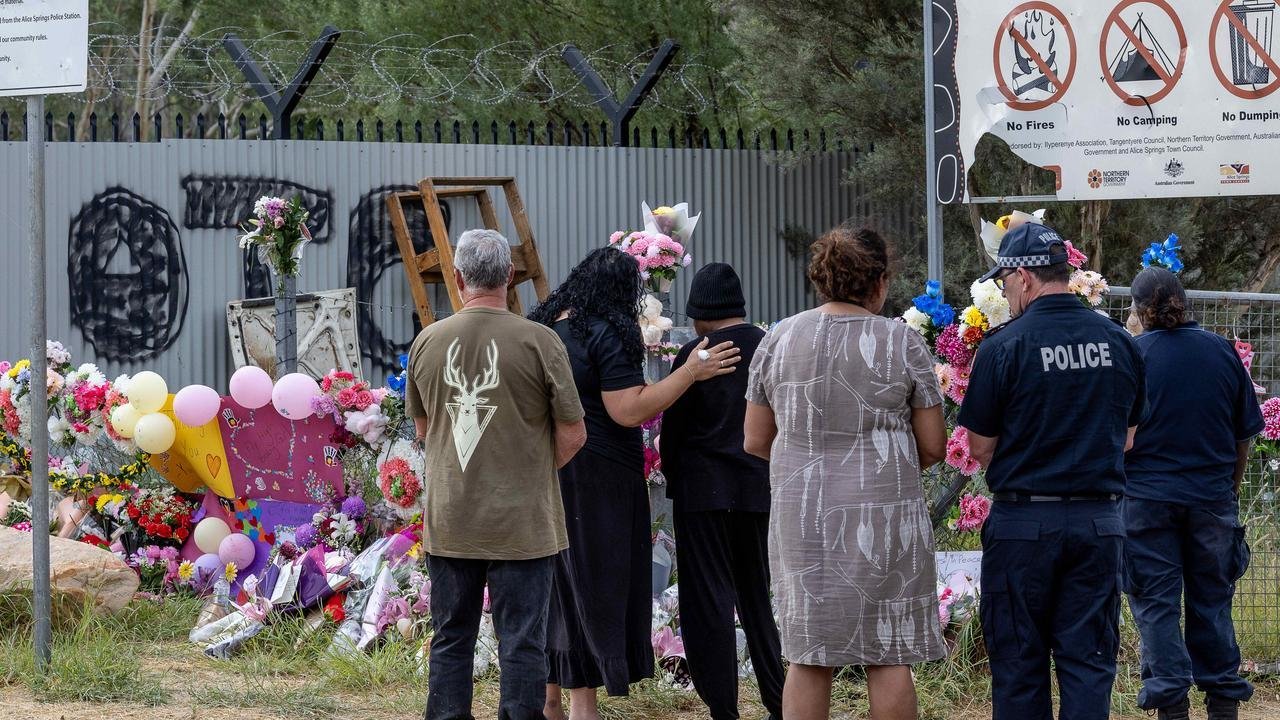
The death of a newborn baby in a makeshift camp along the Murrumbidgee River in Wagga Wagga has sent shockwaves through the community, exposing the harsh realities of Australia’s growing homelessness crisis.
The incident has prompted an outcry for more support for those living rough in the city, with many calling for urgent action to address the root causes of the problem.
The camp, located near the Wagga Beach picnic and playground area, has been home to around a dozen residents for several months. Despite the scenic location, the conditions are far from ideal, with many residents struggling to access basic necessities like sanitation, water, and healthcare.
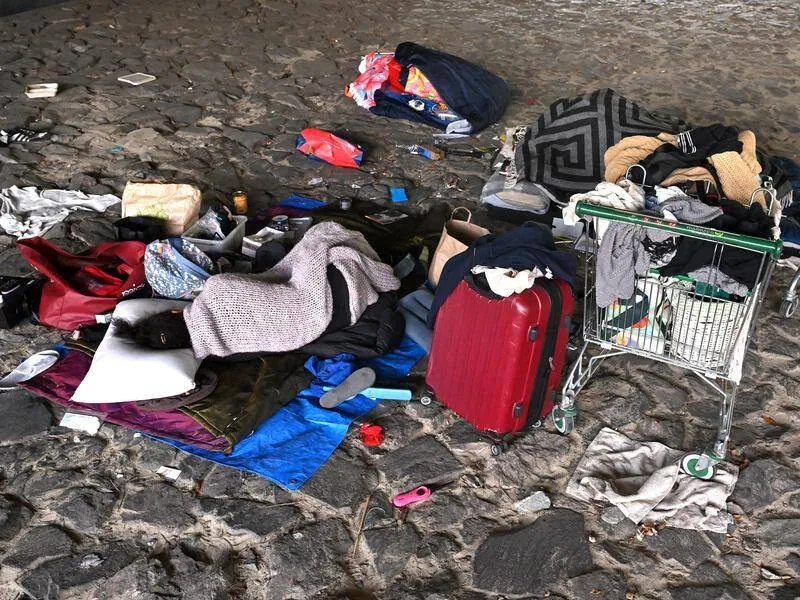
The camp is just one of many that have sprung up in recent months, as the number of people forced to live on the streets continues to rise.
The state government has launched an investigation into the woman’s interactions with services leading up to the birth, amid concerns that she may not have received adequate support.

NSW Minister for Homelessness Rose Jackson said that while temporary accommodation was available, it was often conditional on residents searching for long-term housing. However, some residents claim that this process can be overly onerous, leaving them with limited options.
One resident, who wished to remain anonymous, told the ABC that the camp was not without its challenges, but that residents tried to look out for each other.
“There are times when it is bad,” he said, “but we try to make do with what we have.” Despite the efforts of local services, many residents feel that they are being judged and stigmatized by the community, with some even reporting being stared at and laughed at by passersby.
Analysis: What This Means for Australia
The tragedy in Wagga Wagga is a stark reminder of the need for urgent action to address Australia’s homelessness crisis. With the number of rough sleepers and homeless individuals continuing to rise, it is clear that current strategies are not working.
Experts warn that the lack of affordable housing, combined with inadequate support services, is creating a perfect storm that is leaving many vulnerable individuals and families without a safety net.
“The fact that a baby died in a makeshift camp is a tragedy, but it’s also a symptom of a much broader problem,” said one homelessness expert.
“We need to be addressing the root causes of homelessness, rather than just treating the symptoms.
This means investing in affordable housing, providing better support services, and working to address the social and economic factors that are driving people onto the streets.”
As the community in Wagga Wagga rallies around the family and calls for more support, it is clear that this tragedy will not be in vain.
The NSW Premier, Chris Minns, has agreed to meet with the Wagga Mayor to discuss possible solutions, and local residents are working together to provide support and services to those in need.
However, it will take more than just goodwill and good intentions to address the complex issues driving homelessness in Australia.
It will require a concerted effort from all levels of government, as well as a fundamental shift in the way we approach housing and social services.
The Wagga Women’s Health Centre has hosted a community forum to discuss possible solutions to the crisis, with around 40 people attending.
Centre president Vickie Burkinshaw said that the community was “fired up” to do something, but that there was also a “deep sadness” about the fact that it had taken a tragedy to bring attention to the issue.
As the community works to find solutions, it is clear that this tragedy will be a turning point in the conversation about homelessness in Australia. It is a stark reminder of the human cost of inaction, and a call to arms for those who are committed to creating change.