‘ISIS Brides’ to Face Arrest and Charges as They Land in Australia: A Nation Divided Over the Return of 13 Women and Children Linked to Islamic State Fighters
- Thirteen Australian women and children linked to Islamic State fighters are set to arrive in the country, sparking concerns over national security and community safety.
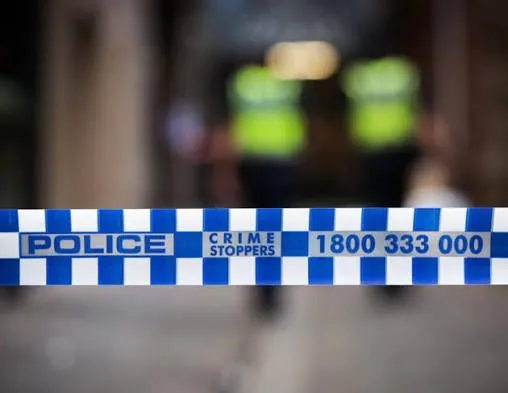
- Australian Federal Police Commissioner Krissy Barrett has warned that some individuals will face arrest and charges, including terrorism offences and crimes against humanity.
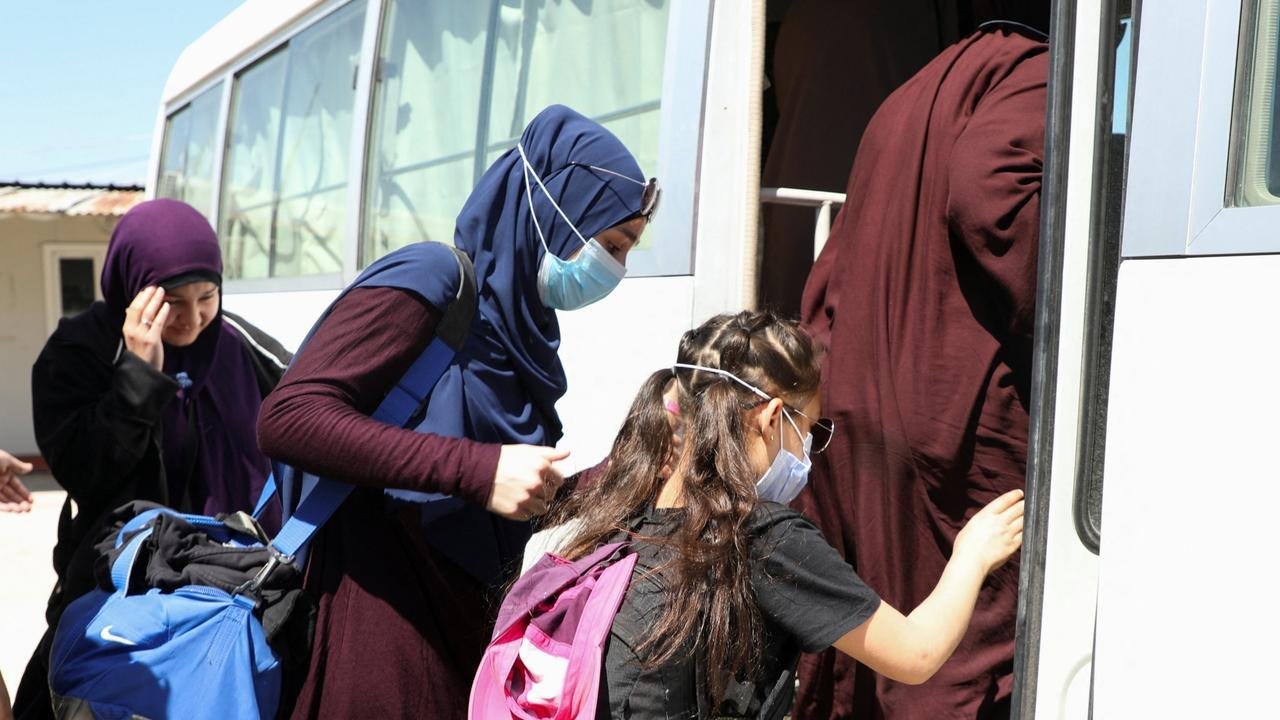
- The group, including four women and nine children, has been stuck in limbo in Damascus for nearly two weeks waiting to return to Australia.
- A Sydney Muslim leader has called on the government to protect innocent children, while others in the community have expressed concerns over the group’s reintegration into society.
The highly anticipated arrival of 13 women and children linked to Islamic State fighters has sparked a mix of emotions across Australia, from relief and concern to anger and fear.
As the group prepares to touch down in Melbourne and Sydney, the nation is grappling with the complexities of their return.
The women, who have been referred to as “ISIS Brides,” followed their ISIS fighter partners to Syria, only to be left stranded in refugee camps after the collapse of the terrorist organisation.
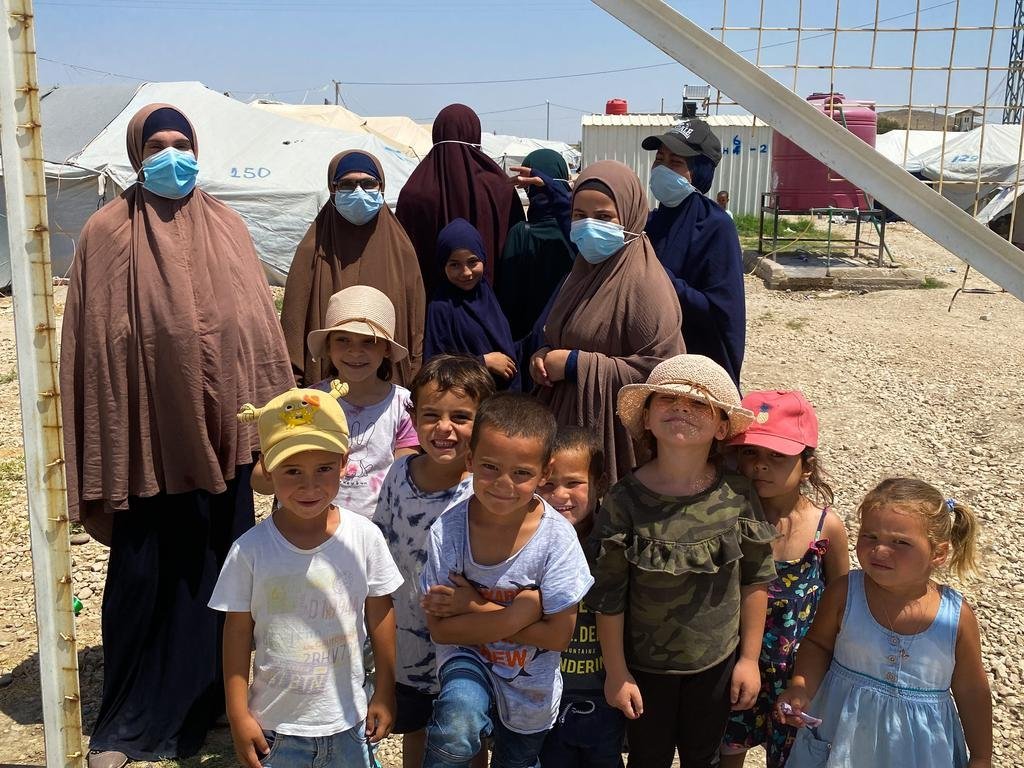
Now, they are set to face the consequences of their actions, with some expected to be arrested and charged with terrorism offences and crimes against humanity.
According to Australian Federal Police Commissioner Krissy Barrett, the women will be thoroughly investigated and face the full force of the law if found guilty. “We will be taking action to ensure that those who have committed crimes are held accountable,” she said.
However, not everyone is convinced that the women should be welcomed back with open arms. A Sydney Yazidi community member, who wished to remain anonymous, expressed concerns over the group’s reintegration into society.
“It will be very difficult for them to adjust,” they said. “We think the government should keep them away from our community.”
Others, however, believe that the government has a responsibility to protect innocent children. Lebanese Muslim Association secretary Gamel Kheir argued that the law should apply “unbiasedly” to all Australian citizens.
“If these people have committed a breach of Australian law, treat them under Australian law, arrest them, and then process them through the courts,” he said.
Human rights lawyer Alison Battisson, who represents an Australian woman who married an Islamic State fighter and remains overseas, believes that the return of the group presents an opportunity for Australia to understand how radicalisation works and to help de-radicalise people in the country.
“I think it is the safest thing for Australia for our Five Eyes allies to bring these families back to assist in their reintegration,” she said.
Analysis: What This Means for Australia
The return of the ISIS-linked families raises significant concerns over national security and community safety. As the group settles back into Australian society, law enforcement agencies will be working closely to monitor their activities and prevent any potential threats.
The incident also highlights the complexities of dealing with Australians who have been involved with terrorist organisations. While some argue that they should be punished for their actions, others believe that they should be given the opportunity to reintegrate into society.
Ultimately, the return of the ISIS-linked families serves as a reminder of the ongoing threat of terrorism and the need for Australia to remain vigilant in its efforts to prevent radicalisation and protect its citizens.
Security analysts say that the incident is a wake-up call for Australia, highlighting the need for increased intelligence gathering and cooperation with international partners to prevent the spread of terrorist ideologies.
As the nation grapples with the complexities of the situation, one thing is clear: the return of the ISIS-linked families will have far-reaching consequences for Australia’s national security, community safety, and social cohesion.