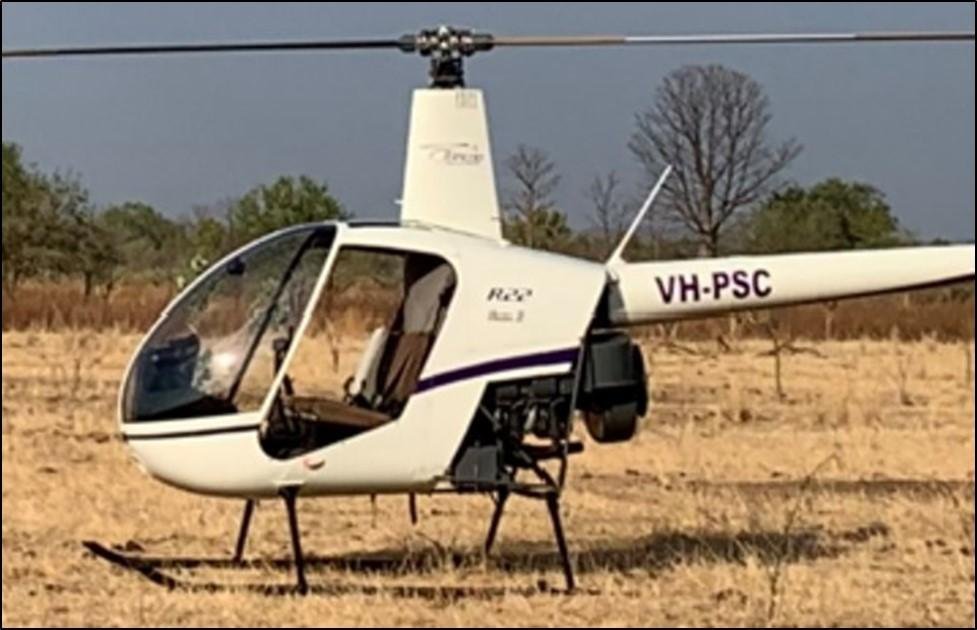
Pilot’s Fatal Mistake: Lax Safety Standards and Inexperienced Flying Exposed in Devastating Helicopter Crash
- A 27-year-old pilot died in a helicopter crash near Kowanyama, Queensland, after flying without proper qualifications or equipment for night flying.
- The Australian Transport Safety Bureau (ATSB) found the pilot was flying beyond his experience and the helicopter’s capabilities.
- The crash has raised serious concerns about safety standards in the aviation industry, with 39 instances of pilots flying beyond legal minimums in the six months prior.
The investigation into the fatal helicopter crash that claimed the life of a 27-year-old pilot in remote Queensland has exposed a disturbing culture of lax safety standards and inexperienced flying.
The Australian Transport Safety Bureau (ATSB) has delivered its final report, revealing that the pilot was flying without the correct qualifications or equipment for night flying, and that the helicopter was not equipped for the task.
The pilot, who worked for MDH Pty Ltd, one of the country’s largest beef producers, was tracking a bushfire near Kowanyama, about 500 kilometres north-west of Cairns, when he crashed on October 9.
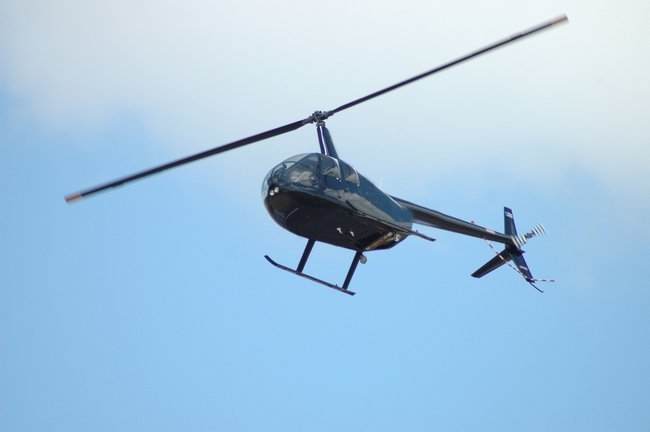
The ATSB found that the pilot held a valid helicopter licence, but there was no record of him training or qualifying to fly under night visual flight rules (NVFR).
The helicopter was also not equipped with the necessary equipment for night flying.

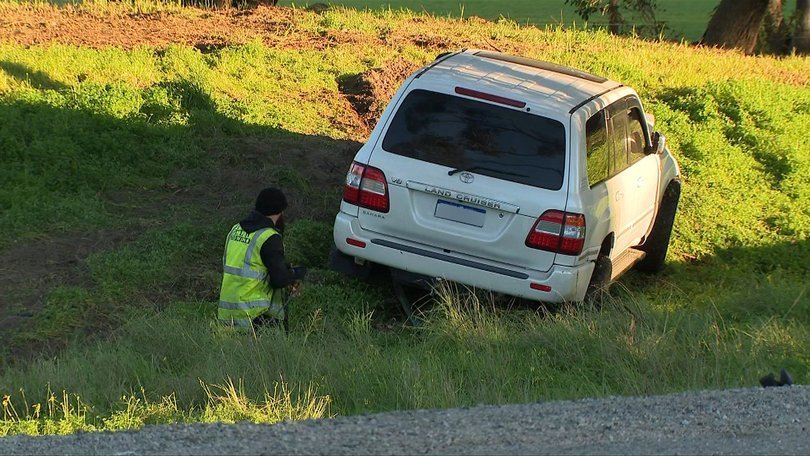
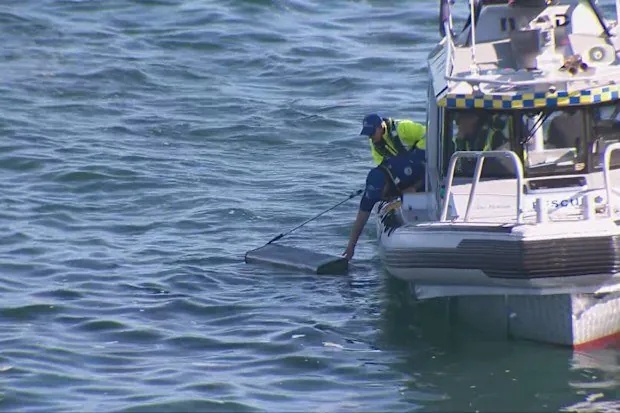
ATSB chief commissioner Angus Mitchell said the crash was a result of the pilot flying beyond his experience and the helicopter’s capabilities.
“Flying at night was beyond the experience, beyond the qualifications of the pilot, but also beyond the limits of the helicopter itself in terms of the equipment for flying,” he said.
The investigation also found that flying after last light was a regular practice for MDH Pty Ltd, with 39 instances of pilots flying beyond legal minimums in the six months prior to the crash.
The company has since amended its safety procedures, requiring pilots and station managers to ensure aircraft are grounded before last light, and introducing fatigue and risk assessments to pre-flight planning.
Analysis: What This Means for Australia
The crash has raised serious concerns about safety standards in the aviation industry, particularly in rural Australia where pilots often face unique challenges and pressures. The ATSB’s findings highlight the need for stricter safety protocols and better training for pilots, particularly when it comes to night flying.
Security analysts say the crash is a stark reminder of the risks associated with aviation in remote areas, where the consequences of mistakes can be devastating.
“The crash is a wake-up call for the industry to review its safety procedures and ensure that pilots are properly trained and equipped for the tasks they are undertaking,” said one analyst.
Law enforcement insiders warn that the crash could have serious implications for the industry, with potential prosecution of MDH Pty Ltd for breaching aviation regulations. “The ATSB’s findings suggest a systemic failure of safety protocols within the company, which could lead to serious consequences,” said an insider.
Industry observers believe the crash will lead to a review of safety standards across the industry, with a focus on improving training and equipment for pilots.
“The crash is a tragic reminder of the importance of safety in aviation, and the need for constant vigilance and improvement,” said an industry observer.
In a statement, MDH Pty Ltd said it fully cooperated with the ATSB inquiry and was “carefully considering the report’s findings and recommendations”.
The company said the safety of its operations and people remained its highest priority, and it was committed to continually reviewing and improving its safety practices.
The ATSB’s report is a sobering reminder of the risks associated with aviation, and the need for constant vigilance and improvement. As the industry continues to grapple with the consequences of the crash, one thing is clear: safety must always be the top priority.
Aviation Safety
Queensland
Australian Transport Safety Bureau
Aviation Safety
Queensland
Australian Transport Safety Bureau