
Coalition’s Shocking Plan to Cap Overseas Migration to Ease Housing Crisis: What This Means for Australia’s Future
- Australia’s housing crisis reaches boiling point as Coalition reveals plan to cap overseas migration to match available housing supply
- Opposition Leader Angus Taylor vows to put “Australia first” with radical new policy, sparking warnings of economic and social consequences
- Experts say plan could slash migrant numbers, but will it be enough to ease the crushing cost of living and housing affordability for Australians?
- As rental vacancy rates plummet and prices soar, the Coalition’s promise to crack down on immigration raises questions about the future of Australia’s multicultural identity
The Australian housing crisis has reached a critical point, with many citizens struggling to find affordable homes and the government under pressure to act.
In a bold move, Opposition Leader Angus Taylor has announced a plan to cap overseas migration to match available housing supply, sparking a heated debate about the future of Australia’s immigration policy.
The plan, which will be outlined in Taylor’s budget reply speech, aims to prioritize Australian citizens in the housing market and ease the pressure on the country’s infrastructure.

According to the Australian Bureau of Statistics, the population grew by 400,000 people in the year to September, with three-quarters of that growth driven by overseas migration.
The Coalition’s modelling suggests a 400,000-person shortfall in housing since the government was elected, based on a comparison of population increase and dwelling numbers.



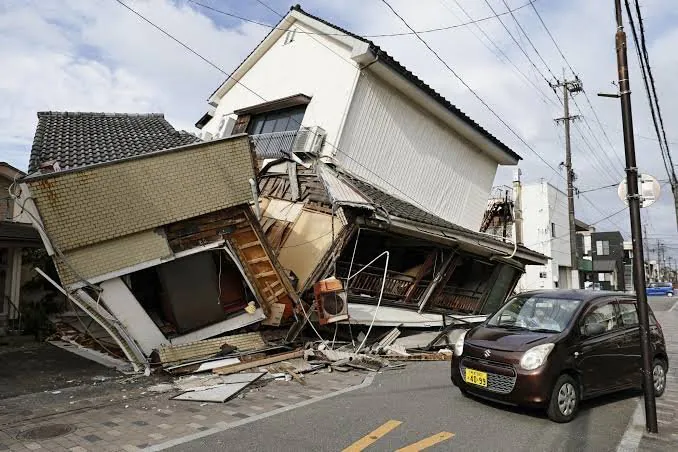
This has led to a severe shortage of affordable housing, with rental vacancy rates across Australian capital cities and regions remaining below 2 per cent.
The Coalition’s plan to cap migration is seen as a drastic measure to address this issue, but experts warn that it could have far-reaching consequences for the economy and society.
Angus Taylor has been vocal about the need to address the housing crisis, which he believes is at the heart of the cost of living pressures faced by many Australians.
“Cost of living is crushing Australians, and housing is right at the heart of that,” he said.
The Opposition Leader has also flagged plans to cut red tape and wind back regulations to accelerate developments, but the immigration policy is a new and significant addition to the mix.
Shadow Housing Minister Andrew Bragg said the policy would take into account what skilled migration was necessary, but warned that if there aren’t enough houses, it would have implications for certain visa classes.
Analysis: What This Means for Australia
The Coalition’s plan to cap overseas migration raises important questions about Australia’s national security, economy, and social fabric. On one hand, the policy aims to address the pressing issue of housing affordability and prioritize Australian citizens in the market.
However, experts warn that slashing migrant numbers could have significant economic consequences, particularly in industries that rely heavily on skilled workers.
Security analysts say that the policy could also have implications for national security, as it may lead to a shortage of skilled workers in critical areas such as defence and healthcare.
Law enforcement insiders also warn that the policy could lead to an increase in illegal immigration, as desperate individuals seek alternative routes into the country. “If the legitimate pathways are closed off, people will find other ways to get in,” said one insider.
Industry observers believe that the policy could also have a negative impact on Australia’s multicultural identity, which has been shaped by decades of immigration. “This policy sends a message that Australia is no longer a welcoming country,” said one observer.
As the debate around the Coalition’s immigration policy continues to unfold, one thing is clear: the future of Australia’s housing market, economy, and society hangs in the balance.
With the federal election looming, the Opposition’s plan to cap overseas migration is set to be a major point of contention. Will the policy be enough to ease the housing crisis, or will it have unintended consequences for the country?
Only time will tell.