Australia’s Housing Time Bomb: How Population Growth and Tax Reforms Will Leave Young Australians Locked Out of the Market
- Sweeping tax reforms aimed at helping first home buyers may have unintended consequences, experts warn, as population growth threatens to outstrip housing supply.
- The changes, which include the abolition of the capital gains tax discount and limitations on negative gearing, are designed to “level the playing field” but may ultimately drive up prices.
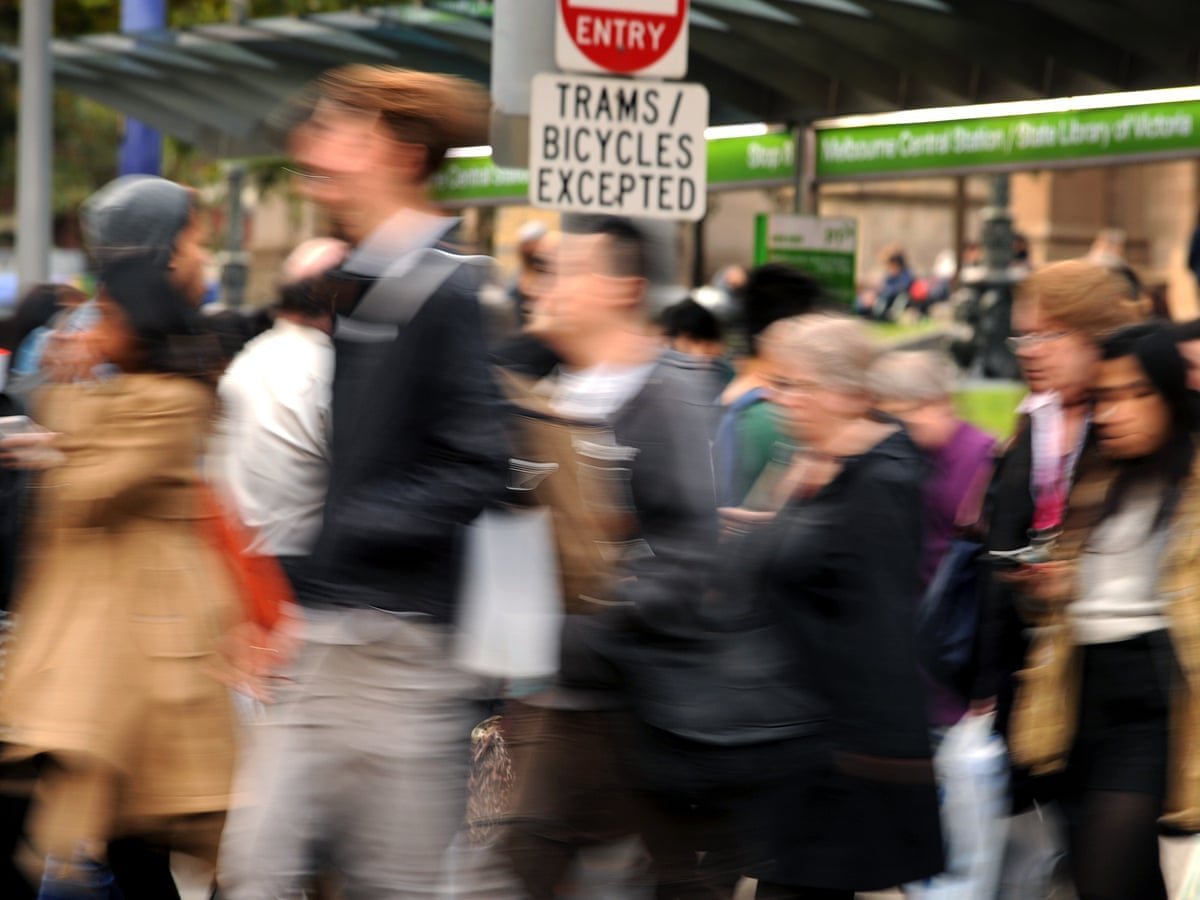
- Australia’s population is set to hit 30 million by the end of the decade, with NSW, Victoria, and Queensland expected to bear the brunt of the growth, putting further pressure on an already strained housing market.
- Critics argue that the government’s failure to address population growth and migration will render the tax reforms ineffective in achieving intergenerational fairness and helping young Australians into the housing market.
The federal budget’s tax reforms, touted as a way to give first home buyers a “fair go”, may have inadvertently created a perfect storm that will leave young Australians locked out of the housing market.
The changes, which include the abolition of the capital gains tax discount and limitations on negative gearing, are designed to “level the playing field” and help bring the dream of home ownership within reach of more young Australians.
However, experts warn that the reforms may have unintended consequences, particularly when combined with Australia’s rapid population growth. The reforms are aimed at disincentivizing the practice of building intergenerational wealth through property investment, which has been a staple of Australian culture for generations.
However, critics argue that this approach fails to address the significant factors that have and will continue to impact young Australians’ ability to buy a home.
Radio host Tom Elliot is among those who have labelled the changes a blunt instrument, pointing out that the population is expected to rise dramatically in the next four years, putting further pressure on the housing market.




According to the budget, net overseas migration is forecast to be 295,000 this year, 35,000 higher than forecast in last year’s budget.
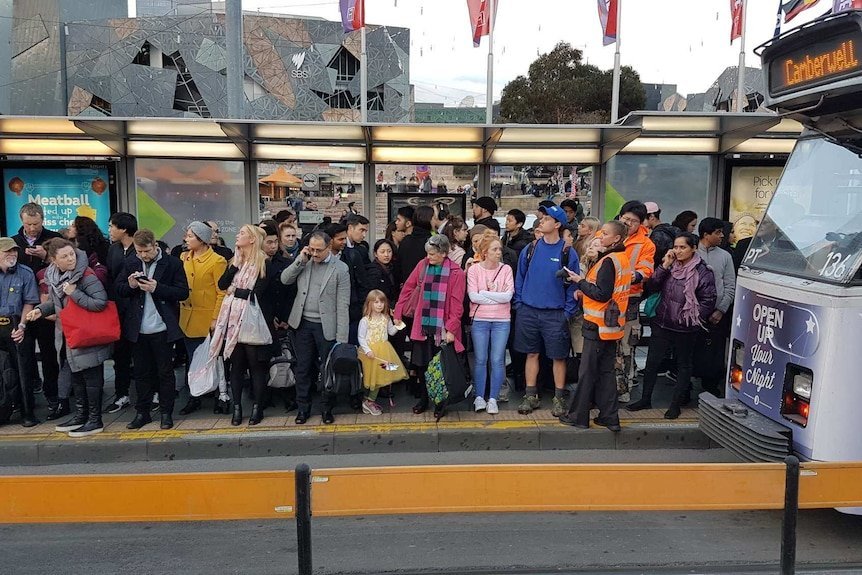
This is expected to contribute to a population of almost 30 million by the end of the decade, with NSW, Victoria, and Queensland expected to bear the brunt of the growth.
The government concedes that it has blown past its migration forecasts, with temporary visa holders staying longer than expected.
This has led to a surge in net permanent and long-term arrivals, which were close to half a million in the 12 months to February 2026.
Finance guru Mark Bouris has called out the changes to capital gains tax and negative gearing, arguing that the Howard-era tax breaks had been used by many Australians, including migrant communities, to build intergenerational wealth.
He believes that the reforms will create intergenerational inequity by stripping away a key mechanism for building wealth. “This intergenerational inequity is a whole heap of crap,” he said.
“In actual fact, the intergenerational inequity has now been created by this government by taking that very same mechanism that people like me and my father and other people have done over years, in terms of building wealth for ourselves.”
Analysis: What This Means for AustraliaThe tax reforms and population growth have significant implications for Australia’s housing market and the broader economy.
The changes may drive up prices, making it even harder for young Australians to enter the market. The government’s failure to address population growth and migration will render the tax reforms ineffective in achieving intergenerational fairness.
Security analysts warn that the housing market is at risk of becoming even more unaffordable, leading to social and economic consequences. The reforms may also have a disproportionate impact on migrant communities, who have traditionally used property investment as a way to build wealth.
Industry observers believe that the changes will create a new wave of inequality, as those who are already established in the market will be able to take advantage of the new rules, while those trying to enter the market will be left behind.
Furthermore, the government’s decision to limit negative gearing to new builds may lead to a surge in demand for new properties, driving up prices and making it even harder for young Australians to enter the market.
This could lead to a situation where young Australians are forced to rent for longer, or seek alternative forms of accommodation, such as shared housing or apartments.
In conclusion, the tax reforms and population growth have created a perfect storm that will leave young Australians locked out of the housing market. The government’s failure to address population growth and migration will render the tax reforms ineffective in achieving intergenerational fairness.
It is essential that policymakers consider the broader implications of these changes and take a more holistic approach to addressing the housing affordability crisis.
The federal budget’s tax reforms, touted as a way to give first home buyers a “fair go”, may have inadvertently created a perfect storm that will leave young Australians locked out of the housing market. The changes, which include the abolition of the capital gains tax discount and limitations on negative gearing, are designed to “level the playing field” and help bring the dream of home ownership within reach of more young Australians. However, experts warn that the reforms may have unintended consequences, particularly when combined with Australia’s rapid population growth.
The reforms are aimed at disincentivizing the practice of building intergenerational wealth through property investment, which has been a staple of Australian culture for generations. However, critics argue that this approach fails to address the significant factors that have and will continue to impact young Australians’ ability to buy a home. Radio host Tom Elliot is among those who have labelled the changes a blunt instrument, pointing out that the population is expected to rise dramatically in the next four years, putting further pressure on the housing market.
According to the budget, net overseas migration is forecast to be 295,000 this year, 35,000 higher than forecast in last year’s budget. This is expected to contribute to a population of almost 30 million by the end of the decade, with NSW, Victoria, and Queensland expected to bear the brunt of the growth. The government concedes that it has blown past its migration forecasts, with temporary visa holders staying longer than expected. This has led to a surge in net permanent and long-term arrivals, which were close to half a million in the 12 months to February 2026.
Finance guru Mark Bouris has called out the changes to capital gains tax and negative gearing, arguing that the Howard-era tax breaks had been used by many Australians, including migrant communities, to build intergenerational wealth. He believes that the reforms will create intergenerational inequity by stripping away a key mechanism for building wealth. “This intergenerational inequity is a whole heap of crap,” he said. “In actual fact, the intergenerational inequity has now been created by this government by taking that very same mechanism that people like me and my father and other people have done over years, in terms of building wealth for ourselves.”
The tax reforms and population growth have significant implications for Australia’s housing market and the broader economy. The changes may drive up prices, making it even harder for young Australians to enter the market. The government’s failure to address population growth and migration will render the tax reforms ineffective in achieving intergenerational fairness. Security analysts warn that the housing market is at risk of becoming even more unaffordable, leading to social and economic consequences.
The reforms may also have a disproportionate impact on migrant communities, who have traditionally used property investment as a way to build wealth. Industry observers believe that the changes will create a new wave of inequality, as those who are already established in the market will be able to take advantage of the new rules, while those trying to enter the market will be left behind.
Furthermore, the government’s decision to limit negative gearing to new builds may lead to a surge in demand for new properties, driving up prices and making it even harder for young Australians to enter the market. This could lead to a situation where young Australians are forced to rent for longer, or seek alternative forms of accommodation, such as shared housing or apartments.
In conclusion, the tax reforms and population growth have created a perfect storm that will leave young Australians locked out of the housing market. The government’s failure to address population growth and migration will render the tax reforms ineffective in achieving intergenerational fairness. It is essential that policymakers consider the broader implications of these changes and take a more holistic approach to addressing the housing affordability crisis.