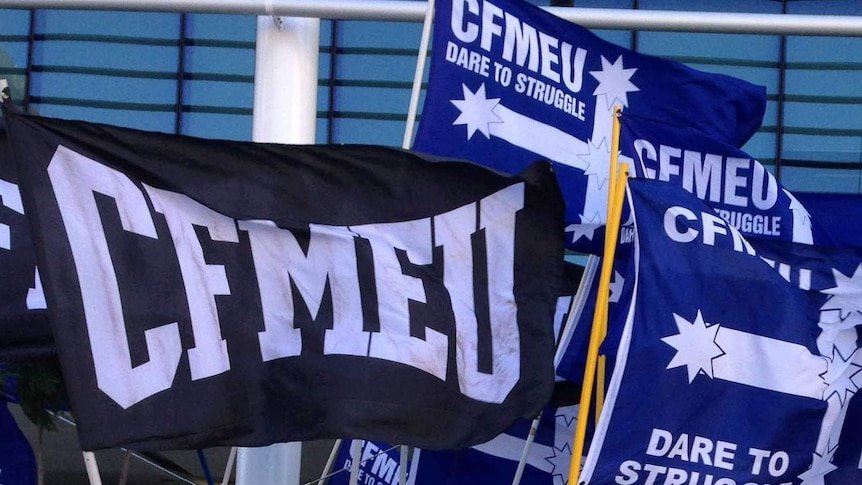
CFMEU Corruption Exposed: Inspectors Claim Union Planted Asbestos at Construction Site to ‘Shut Down’ Works and Gain Leverage in Bargaining Negotiations
- Workers’ union allegedly planted asbestos at Cairns Performing Arts Centre construction site to force shutdown and gain bargaining power
- Workplace Health and Safety Queensland (WHSQ) inspectors claim union officials intimidated and mocked them, with one delegate found guilty of intimidation
- Former WHSQ operations manager reveals union had “complex relationship” with former Labor government, with ministerial influence and regulatory capture alleged
- Commission of Inquiry into CFMEU expected to hand down report in July, with potential extension to 2027 as allegations of institutional corruption mount
The Construction, Forestry and Maritime Employees Union (CFMEU) has been accused of planting asbestos at a construction site in Cairns to gain leverage in bargaining negotiations, in a shocking revelation that has rocked the Commission of Inquiry into the union’s activities.
Workplace Health and Safety Queensland (WHSQ) inspectors claim that union officials deliberately placed the hazardous material at the Cairns Performing Arts Centre construction site in 2018, in an effort to force a shutdown and pressure the council into meeting their demands.
The allegations were made during the ninth round of hearings of the Commission of Inquiry into the CFMEU, which has been investigating claims of institutional corruption and regulatory capture within the union.
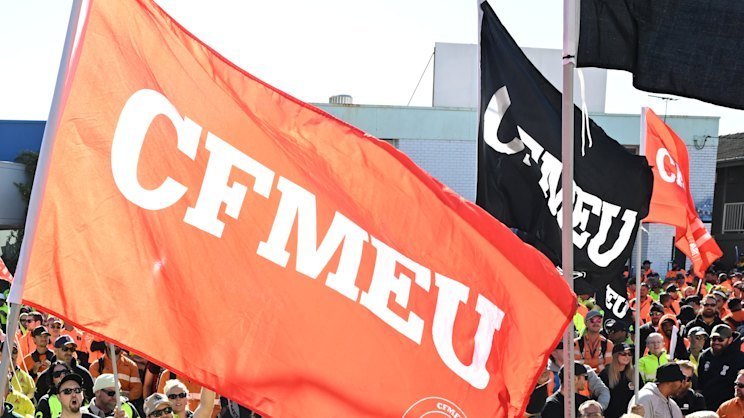
WHSQ operations manager John Dalamaras told the inquiry that he and a colleague responded to a request to inspect the construction site on April 4, 2018, after the CFMEU claimed to have found asbestos-containing material.
However, upon examination, Dalamaras said he suspected that the asbestos had been planted, citing the unusual appearance of the material and the fact that it was not wet despite recent rain.

Dalamaras alleged that the CFMEU’s motive was to create a health and safety risk, allowing them to pressure the council into shutting down the site and gaining an advantage in bargaining negotiations.
The union was in the midst of enterprise bargaining with the council at the time, and Dalamaras claimed that the CFMEU was using the asbestos discovery as a tactic to gain leverage.
The inquiry heard that a contractor had been engaged to remove the material, and the area had been cordoned off, but the CFMEU continued to claim that there was a serious risk to health and safety.
The CFMEU’s alleged tactics went beyond just planting asbestos, with Dalamaras claiming that union officials intimidated and mocked WHSQ inspectors. He alleged that local delegate Roly Cummins called his colleague, Inspector Rob Duckworth, a “f***ing dog” repeatedly, leaving him in shock.
Dalamaras reported the incident to his superiors and suggested that Cummins be charged with intimidation under the Workplace Health and Safety Act. Cummins was later found guilty of intimidation and fined $5,000, but successfully appealed the charges in 2021.
The inquiry also heard that the CFMEU made social media posts attacking the credibility of Dalamaras and Duckworth, with Helen Burgess, the director of construction, compliance and field services at WHSQ, liking some of the comments.
Burgess has been accused of being the primary conduit between the CFMEU and WHSQ, regularly taking calls from union officials and bypassing the standard referral process.
Former operations manager Shannon Farrington gave evidence that she received calls from Burgess to respond to CFMEU complaints, despite being based in a different region.
Farrington alleged that Burgess was getting real-time information from CFMEU delegates and was not being reined in by her superiors, including Minister for Industrial Relations Grace Grace.
Analysis: What This Means for Australia
The allegations of asbestos planting and intimidation by the CFMEU raise serious concerns about the union’s influence over Workplace Health and Safety Queensland and the Labor government.
The Commission of Inquiry’s findings could have significant implications for the construction industry and the broader community, particularly in terms of worker safety and the integrity of the regulatory system.
Security analysts say that the CFMEU’s alleged tactics demonstrate a blatant disregard for the law and a willingness to put workers’ lives at risk for the sake of gaining bargaining power.
The union’s influence over WHSQ and the Labor government raises questions about the effectiveness of the regulatory system and the ability of authorities to prevent corruption.
Law enforcement insiders warn that the CFMEU’s actions could be just the tip of the iceberg, with potential for further corruption and intimidation in the construction industry.
The Commission of Inquiry’s report, expected in July, will be closely watched for its findings on the CFMEU’s activities and the implications for worker safety and the integrity of the regulatory system.
Industry observers believe that the CFMEU’s alleged corruption and intimidation tactics could have far-reaching consequences for the construction industry, including increased costs, delays, and risks to worker safety.
The Commission of Inquiry’s findings could also have implications for the Labor government, which has been accused of turning a blind eye to the union’s activities.