A National Shame: Senator Jacinta Nampijinpa Price’s Heart-Wrenching Plea for Action after Niece’s Alleged Murder Exposes Dark Reality of Australia’s Failed Child Protection System
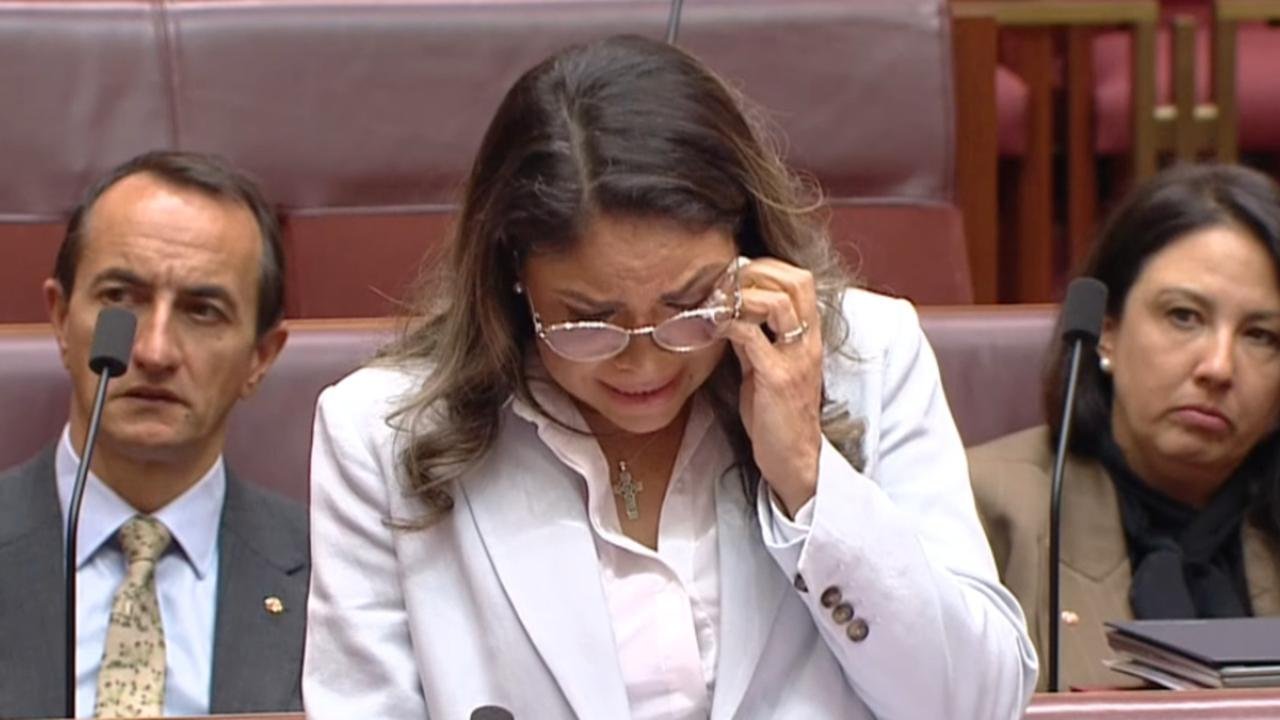
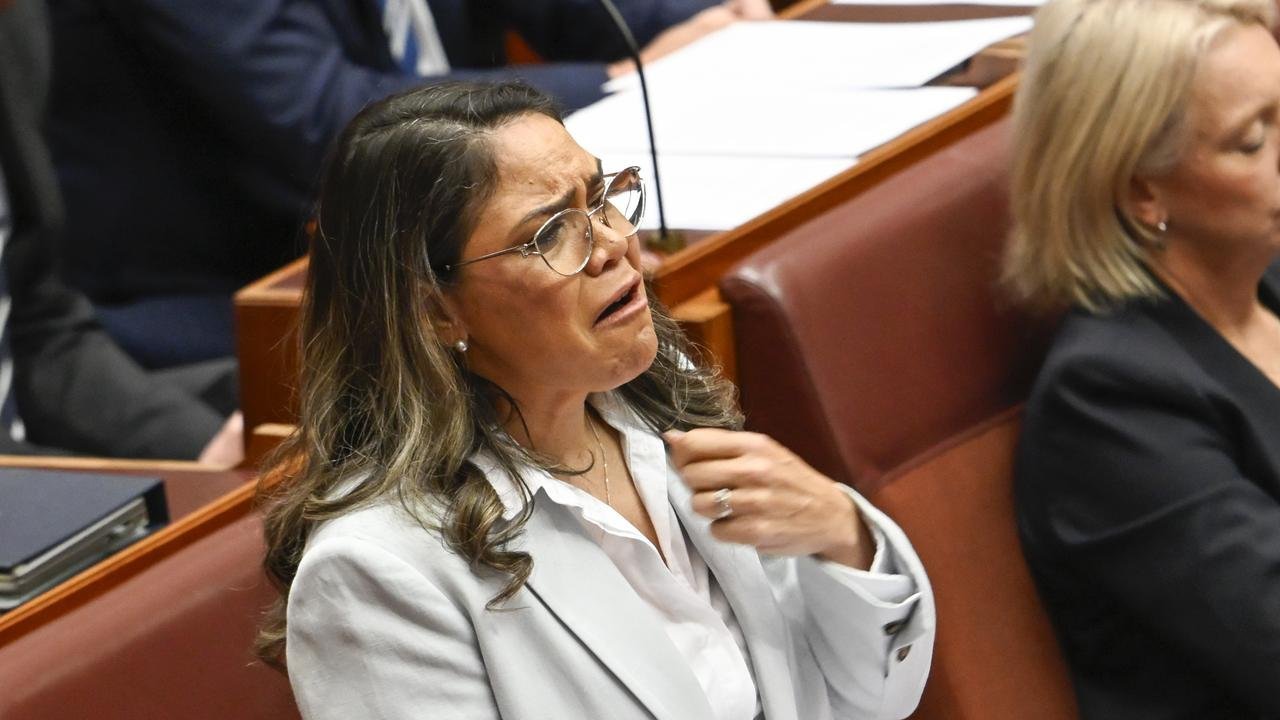
- Sentator Jacinta Nampijinpa Price delivers an emotional speech in Federal Parliament, begging the Government to prioritize child safety and take action against the conditions that led to her five-year-old niece’s alleged murder.
- The little girl’s death has exposed longstanding dysfunction, violence, and neglect in town camps and remote communities, with Senator Price warning that “silence is killing our babies.”
- One Nation leader Pauline Hanson claims the alleged murder “could have been prevented” and describes conditions in some remote communities and town camps as “a national disgrace.”
- Indigenous Australians Minister Malarndirri McCarthy pays tribute to the little girl and her family, while NT Chief Minister Lia Finocchiaro criticizes the Territory’s Children’s Commissioner for not launching an own-initiative investigation.
The tragic death of five-year-old Kumanjayi Little Baby has sent shockwaves across Australia, but for Senator Jacinta Nampijinpa Price, the pain is all too personal.
In an emotional speech in Federal Parliament, Senator Price begged the Government to take action against the conditions that led to her niece’s alleged murder, warning that “silence is killing our babies.” The little girl’s death has exposed the dark reality of Australia’s failed child protection system, and Senator Price is determined to ensure that her voice is heard.
The alleged murder of Kumanjayi Little Baby has raised questions about the safety and well-being of children in remote communities and town camps.
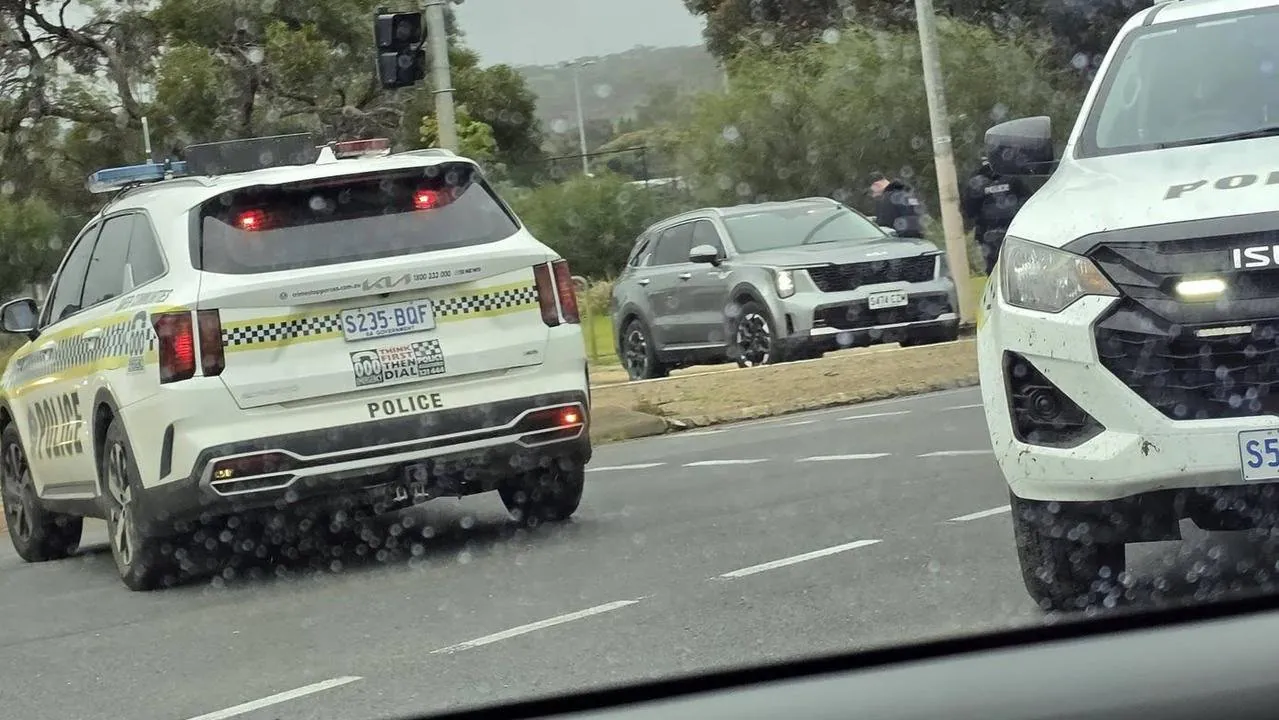
The little girl was taken from a town camp on the outskirts of Alice Springs on April 25, and her body was found five days later in the dry Todd River bed.
Six notifications about her welfare had been made to the Department of Children and Families in the six weeks leading up to her death, but it appears that no action was taken to protect her.
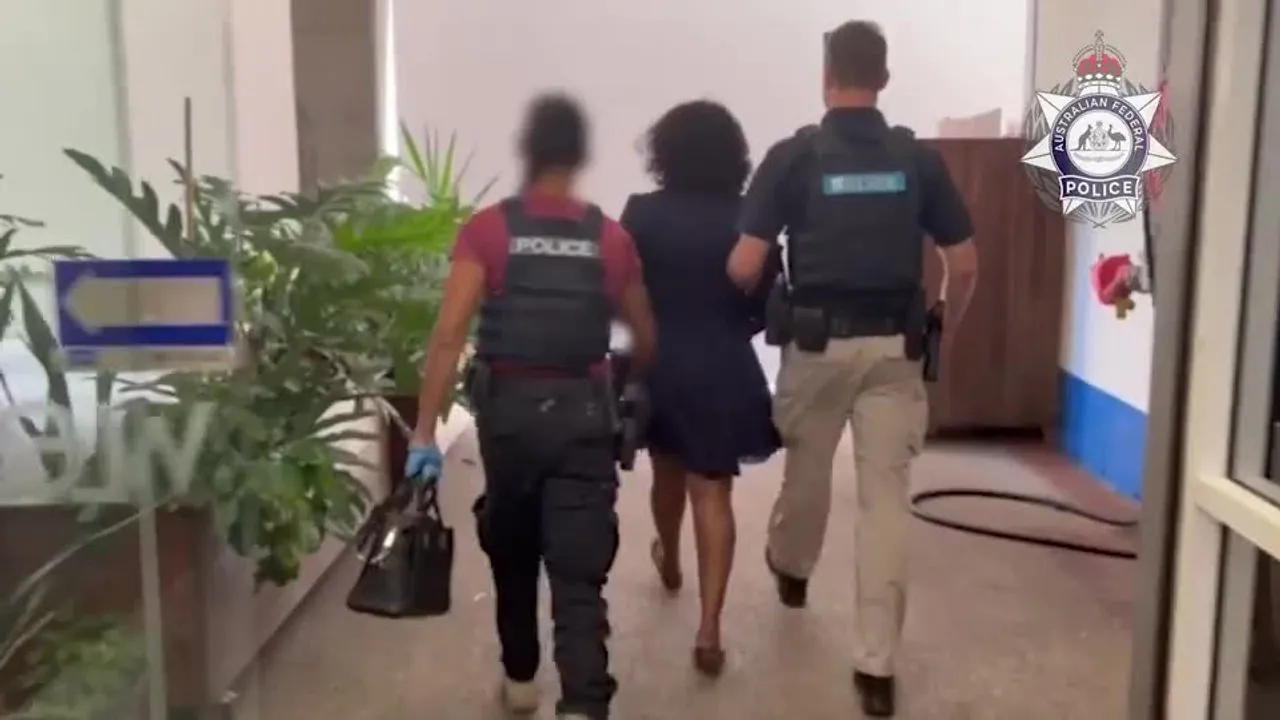
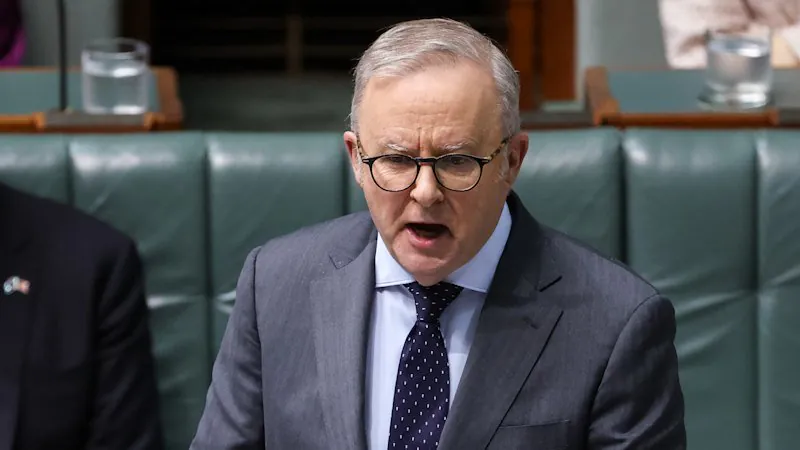
Senator Price’s speech was a powerful indictment of the system that failed her niece.
She accused some parts of the child protection system of treating Aboriginal children differently because of their race, and of prioritizing cultural sensitivities and political correctness over the safety of children.
“It’s the same ideology that teaches people to stay silent in the face of wrongdoing because speaking honestly might offend somebody,” she said. “Well, I am no longer interested in protecting adults who feel uncomfortable about truths while children are being buried.”
The senator’s comments were echoed by One Nation leader Pauline Hanson, who claimed that the alleged murder “could have been prevented” and described conditions in some remote communities and town camps as “a national disgrace.” Senator Hanson accused governments of repeatedly failing to address violence, abuse, and neglect in remote communities, despite years of warnings and funding.
Indigenous Australians Minister Malarndirri McCarthy paid tribute to Kumanjayi Little Baby and her family, saying that the country had been shattered by her death.
She referenced candlelight vigils held across the country and read comments from the girl’s mother, who described her as “my little princess” who “loved cuddling puppies” and “watching Bluey and Masha and the Bear.”
However, NT Chief Minister Lia Finocchiaro criticized the Territory’s Children’s Commissioner, Shahleena Musk, for not launching an own-initiative investigation into the circumstances leading up to the girl’s death.
Ms Finocchiaro said she was “gobsmacked” that the government had needed to call for such an investigation, and questioned the Commissioner’s role in the matter.
NT Child Protection Minister Robyn Cahill had urged Ms Musk to investigate the events leading up to Kumanjayi Little Baby’s death, but the Office of the Children’s Commissioner said it would not investigate the matter itself.
Instead, a spokesperson said Ms Musk had requested a formal coronial inquest be undertaken into the tragedy.
Analysis: What This Means for Australia
The alleged murder of Kumanjayi Little Baby has highlighted the need for urgent reform of Australia’s child protection system.
The case has exposed a culture of silence and neglect in remote communities and town camps, where children are being failed by the very system that is supposed to protect them.
Senator Price’s emotional plea for action is a wake-up call for governments to prioritize child safety and take action against the conditions that led to her niece’s death.
Security analysts say that the case has national security implications, highlighting the need for a more effective and coordinated approach to child protection across the country.
“This is not just a matter of Indigenous affairs, but a national issue that requires a comprehensive response,” said one analyst.
Law enforcement insiders warn that the case has significant implications for policing in remote communities, where resources are often stretched to the limit.
“We need to ensure that our police are equipped with the resources and training they need to respond effectively to these types of cases,” said one insider.
Industry observers believe that the case has major economic and social consequences, highlighting the need for investment in education, health, and infrastructure in remote communities. “We need to address the underlying causes of poverty and disadvantage in these communities, rather than just treating the symptoms,” said one observer.
Ultimately, the alleged murder of Kumanjayi Little Baby is a national tragedy that requires a national response.
Governments, policymakers, and the community must come together to ensure that no child is left behind, and that the safety and well-being of all children are prioritized above all else.