Coalition’s ‘Inflation Back Guarantee’ Tax Plan Could Cost a Staggering $35 Billion in First Four Years, Exposing Deep Holes in Budget
- The Coalition’s tax plan to index brackets to inflation could blow out to $44 billion annually by 2035-36, dwarfing initial estimates..
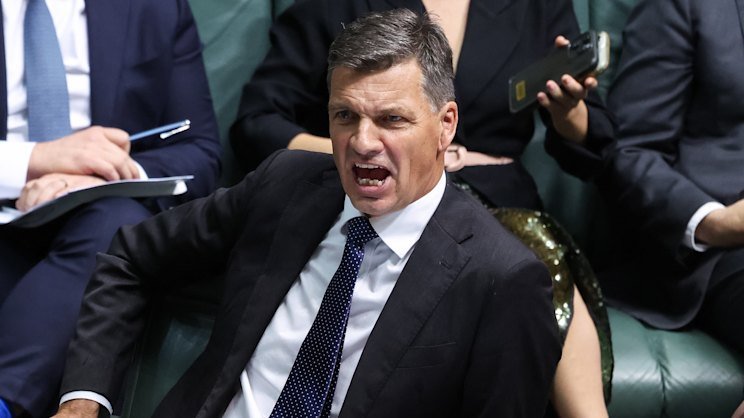
- The policy, touted as a solution to “bracket creep,” would require significant spending cuts to offset the cost, but Angus Taylor refuses to reveal where the axe would fall.
- Experts warn the plan could create a massive hole in the federal budget, forcing the Coalition to find drastic savings or risk presenting a worse budget bottom line than Labor.
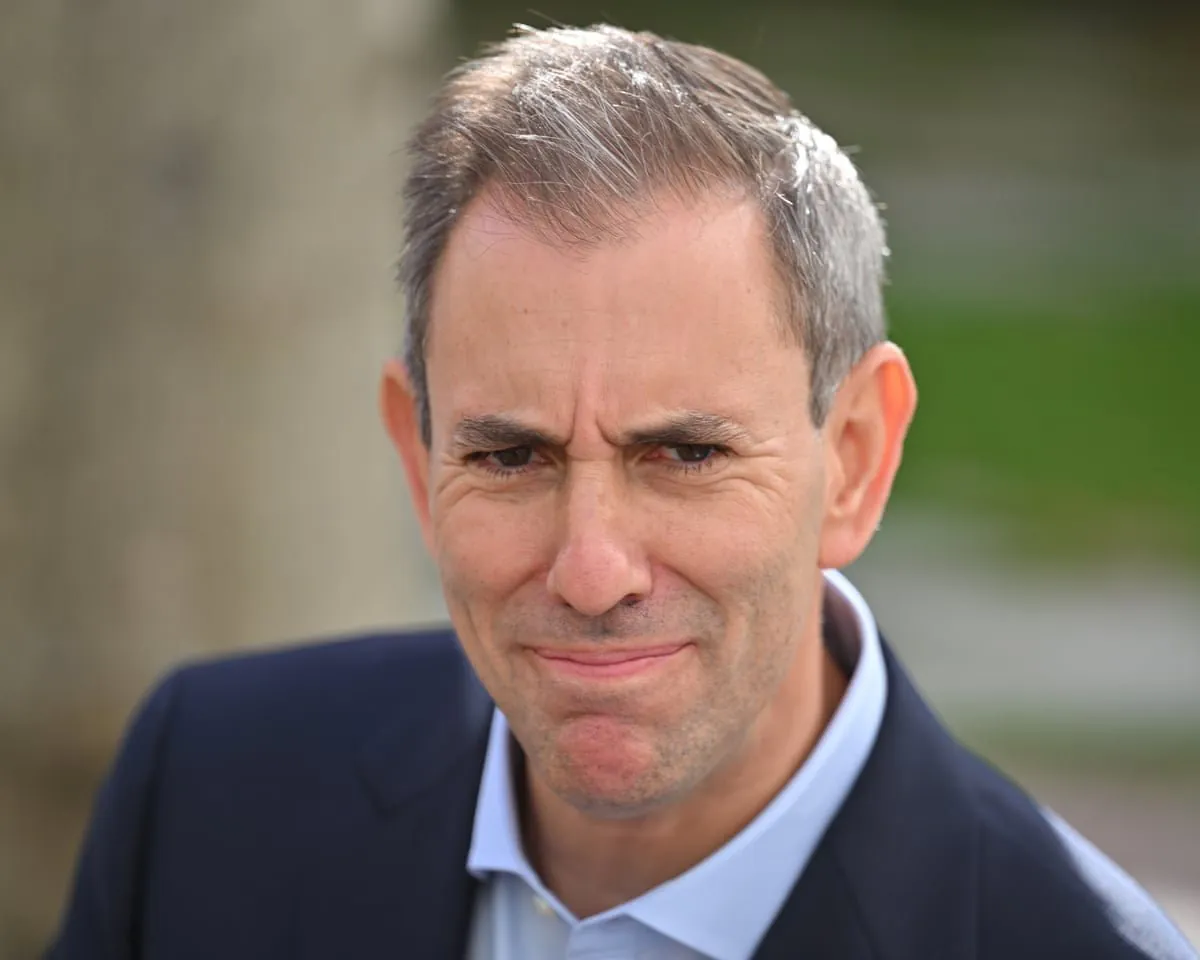
- The proposal has been labeled an “uncosted, unfunded shambles” by Treasurer Jim Chalmers, who claims it would lead to higher deficits, more debt, and increased inflation.
The Coalition’s plan to index tax brackets to inflation, unveiled by Angus Taylor, has been hailed as a bold move to eliminate “bracket creep.” However, a closer examination of the numbers reveals a potentially catastrophic cost blowout that could cripple the federal budget.
According to the Parliamentary Budget Office’s SMART model, the policy could cost a staggering $35.3 billion in the first four years, with the annual cost escalating rapidly to $44.5 billion by 2035-36.
This is significantly higher than the initial estimate of $22.5 billion, which was based on a flawed assumption that taxpayers would only receive the tax cuts after filing their tax returns.
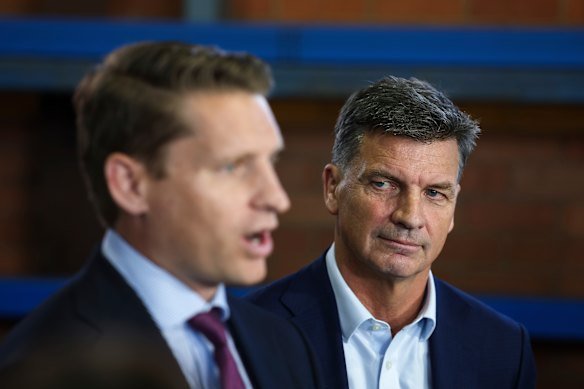
The discrepancy in the costings is largely due to the timing of the tax cuts.
The SMART model, which is more sophisticated than the build-your-own-budget tool, assumes that taxpayers would receive the tax cuts throughout the year, rather than waiting until tax time.



This means that the Coalition would need to find significant spending cuts to offset the cost, which Taylor has refused to reveal. The opposition leader claims to have identified “significant savings” from “waste,” but refuses to say whether these would fully offset the cost of the policy.
The implications of this policy are far-reaching and could have a devastating impact on the federal budget. Successive governments have traditionally “handed back” bracket creep in the form of occasional income tax cuts, usually during election campaigns.
Taylor’s proposal would effectively replace this practice with a permanent annual tax cut equal to the amount of inflation. However, this would require a significant injection of funds, which would need to be offset by drastic spending cuts.
Analysis: What This Means for AustraliaThe Coalition’s tax plan has significant implications for Australia’s national security, law enforcement, and community impact.
The massive cost blowout could force the government to make drastic cuts to essential services, including defense and law enforcement. This could compromise Australia’s national security and put the community at risk.
Furthermore, the plan could exacerbate the existing budget deficit, leading to higher interest rates and reduced economic growth. Security analysts warn that the plan could also have unintended consequences, such as increased tax evasion and avoidance.
“The Coalition’s plan could create a tax system that is more complex and prone to abuse,” said one analyst.
“This could lead to a significant loss of revenue for the government, which would need to be offset by even more drastic spending cuts.”
Law enforcement insiders also expressed concerns about the impact of the plan on community safety.
“The Coalition’s plan could lead to reduced funding for essential services, including law enforcement and emergency services,” said one insider.
“This could compromise community safety and put lives at risk.”
In conclusion, the Coalition’s tax plan to index brackets to inflation is a high-risk strategy that could have significant and far-reaching consequences for Australia.
While the plan may seem appealing on the surface, the numbers simply do not add up. The massive cost blowout and potential for drastic spending cuts make this plan a recipe for disaster.
As Treasurer Jim Chalmers so aptly put it, this plan is an “uncosted, unfunded shambles” that would lead to higher deficits, more debt, and increased inflation.
The Coalition’s plan to index tax brackets to inflation, unveiled by Angus Taylor, has been hailed as a bold move to eliminate “bracket creep.” However, a closer examination of the numbers reveals a potentially catastrophic cost blowout that could cripple the federal budget. According to the Parliamentary Budget Office’s SMART model, the policy could cost a staggering $35.3 billion in the first four years, with the annual cost escalating rapidly to $44.5 billion by 2035-36. This is significantly higher than the initial estimate of $22.5 billion, which was based on a flawed assumption that taxpayers would only receive the tax cuts after filing their tax returns.
The discrepancy in the costings is largely due to the timing of the tax cuts. The SMART model, which is more sophisticated than the build-your-own-budget tool, assumes that taxpayers would receive the tax cuts throughout the year, rather than waiting until tax time. This means that the Coalition would need to find significant spending cuts to offset the cost, which Taylor has refused to reveal. The opposition leader claims to have identified “significant savings” from “waste,” but refuses to say whether these would fully offset the cost of the policy.
The implications of this policy are far-reaching and could have a devastating impact on the federal budget. Successive governments have traditionally “handed back” bracket creep in the form of occasional income tax cuts, usually during election campaigns. Taylor’s proposal would effectively replace this practice with a permanent annual tax cut equal to the amount of inflation. However, this would require a significant injection of funds, which would need to be offset by drastic spending cuts.
The Coalition’s tax plan has significant implications for Australia’s national security, law enforcement, and community impact. The massive cost blowout could force the government to make drastic cuts to essential services, including defense and law enforcement. This could compromise Australia’s national security and put the community at risk. Furthermore, the plan could exacerbate the existing budget deficit, leading to higher interest rates and reduced economic growth.
Security analysts warn that the plan could also have unintended consequences, such as increased tax evasion and avoidance. “The Coalition’s plan could create a tax system that is more complex and prone to abuse,” said one analyst. “This could lead to a significant loss of revenue for the government, which would need to be offset by even more drastic spending cuts.”
Law enforcement insiders also expressed concerns about the impact of the plan on community safety. “The Coalition’s plan could lead to reduced funding for essential services, including law enforcement and emergency services,” said one insider. “This could compromise community safety and put lives at risk.”
In conclusion, the Coalition’s tax plan to index brackets to inflation is a high-risk strategy that could have significant and far-reaching consequences for Australia. While the plan may seem appealing on the surface, the numbers simply do not add up. The massive cost blowout and potential for drastic spending cuts make this plan a recipe for disaster. As Treasurer Jim Chalmers so aptly put it, this plan is an “uncosted, unfunded shambles” that would lead to higher deficits, more debt, and increased inflation.