Hantavirus Horror: Six Australians Land in Perth After Fleeing Deadly Cruise Ship Outbreak That’s Claimed Three Lives
- Six Australians, including four citizens and one permanent resident, have arrived in Perth after fleeing a hantavirus-stricken cruise ship that’s claimed three lives.
- The passengers, who were asymptomatic and tested negative for the virus before the flight, will spend at least three weeks in quarantine at the Bullsbrook Centre for National Resilience.
- The hantavirus outbreak, which has infected 11 people and killed three, has sparked a global health scare, with the World Health Organization (WHO) issuing urgent warnings.
- Australia’s Federal Health Minister Mark Butler has assured the public that the country is taking a “precautionary approach” to containing the outbreak, with the passengers set to undergo rigorous health checks during their quarantine.
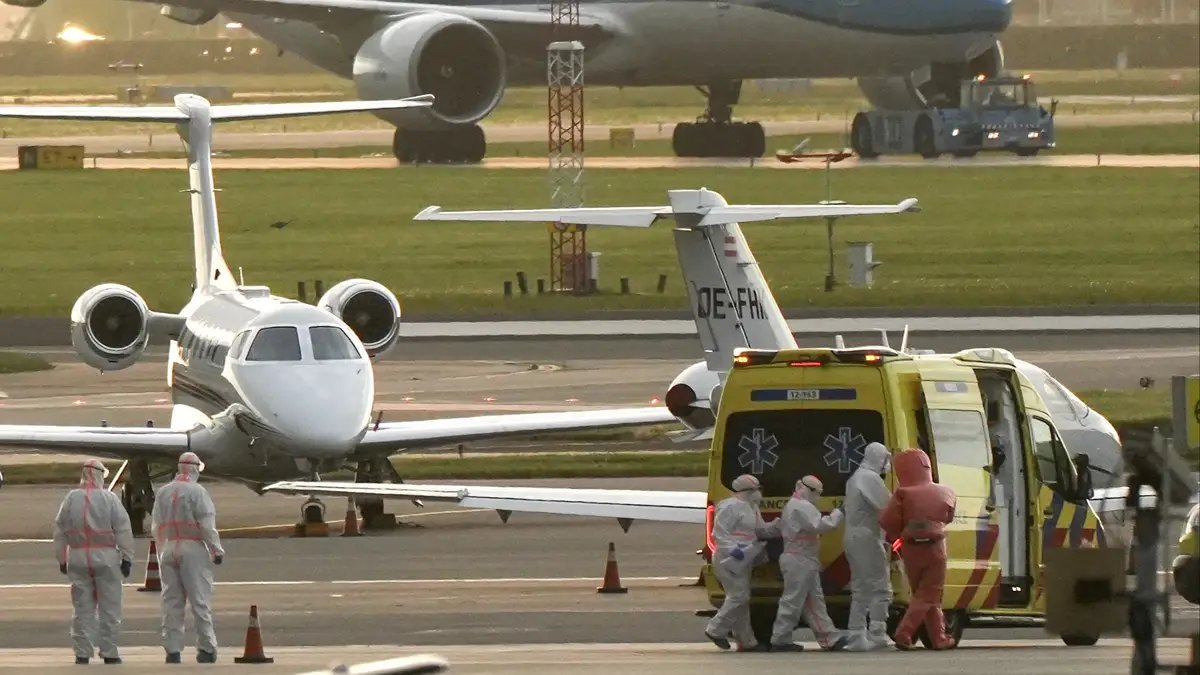
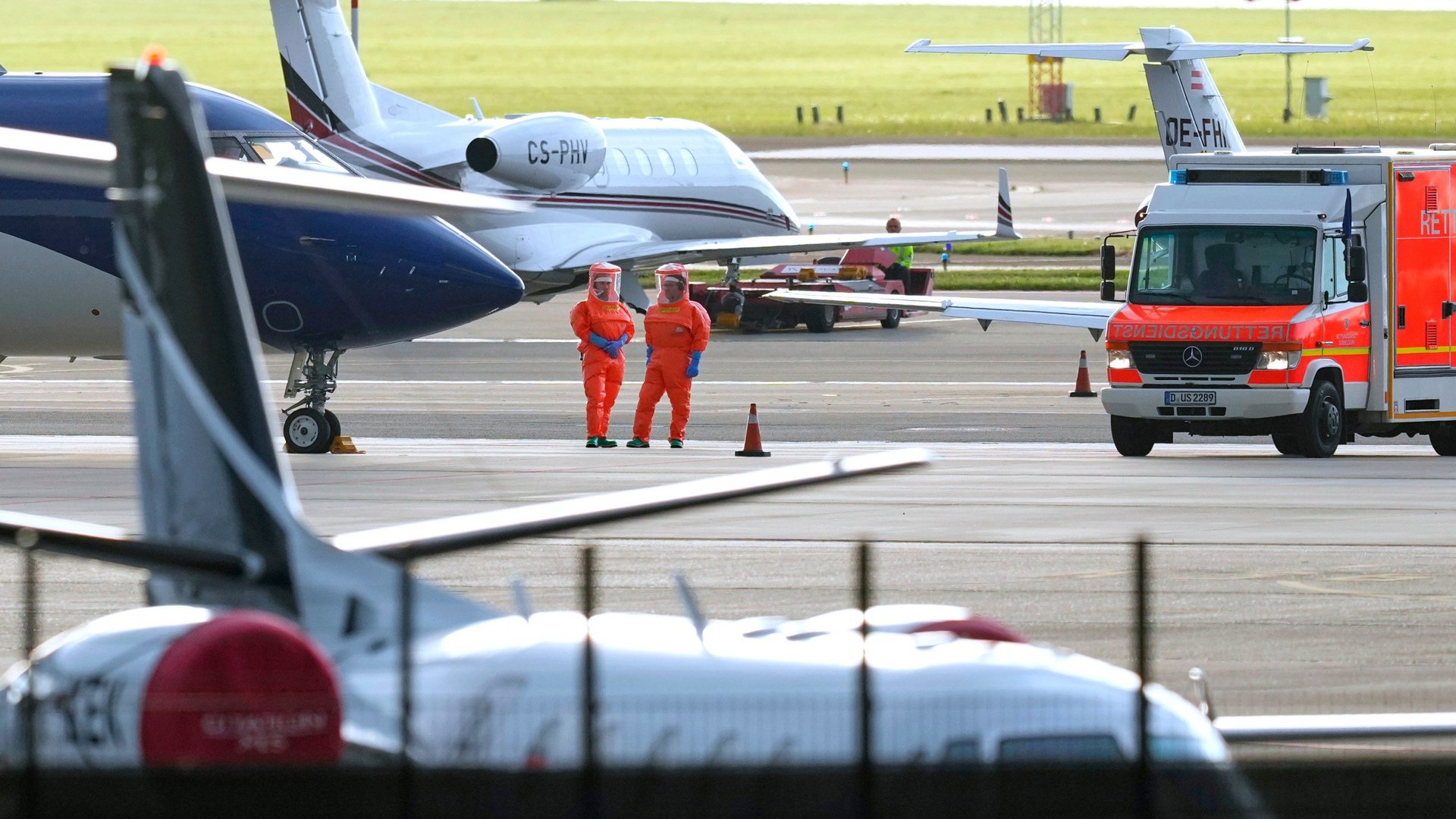
The six Australians, who were on board the MV Hondius cruise ship when the outbreak occurred, touched down at RAAF Base Pearce, about 40 kilometers north-east of Perth, on a repatriation flight from the Netherlands.
The passengers, who were wearing full-body protective gear, were escorted by police to the nearby Bullsbrook Centre for National Resilience, where they will spend at least three weeks in quarantine.
The passengers, who had been waiting in the Netherlands after disembarking the cruise ship, were tested and processed by the Australian Border Force before their transfer to the quarantine centre.
They will undergo a detailed health assessment, including more PCR tests, to ensure they are not infected with the virus. The hantavirus outbreak on the MV Hondius has sparked a global health scare, with the WHO issuing urgent warnings about the risk of transmission.
The virus, which is typically spread through contact with infected rodents or their droppings, can cause severe symptoms, including fever, headache, and respiratory problems. Australia’s Federal Health Minister Mark Butler has assured the public that the country is taking a “precautionary approach” to containing the outbreak.
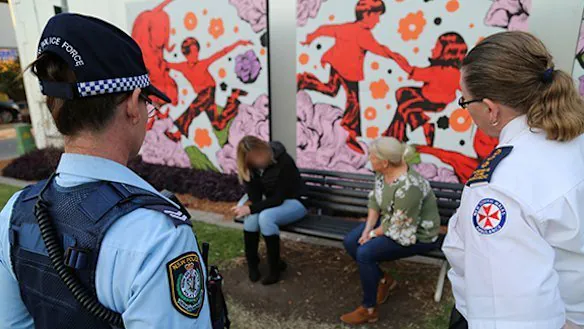


“Our principal responsibility is to keep these passengers safe, and we have taken a precautionary approach to that,” he said. The passengers will be looked after at the quarantine centre by staff flown in from Darwin’s national critical care and trauma response centre.
The rooms housing the passengers have balconies, TVs, and wi-fi, and the minister said he was confident they would be comfortable during their stay. However, the outbreak has raised concerns about Australia’s preparedness for a potential pandemic.
Security analysts say the country’s quarantine facilities, including the Bullsbrook Centre, are not equipped to handle a large-scale outbreak.
“The Bullsbrook facility is a relic of the COVID-19 pandemic, and it’s not clear if it’s been adequately maintained or upgraded since then,” said one security expert.
“We need to be prepared for the worst-case scenario, and that means investing in our quarantine facilities and ensuring they can handle a large-scale outbreak.”
The hantavirus outbreak on the MV Hondius has also raised questions about the safety of cruise ships and the risk of transmission on board.
Industry observers believe the outbreak highlights the need for stricter health and safety protocols on cruise ships.
Analysis: What This Means for AustraliaThe hantavirus outbreak on the MV Hondius has significant implications for Australia’s national security and public health.
The fact that six Australians were able to bring the virus into the country, albeit unwittingly, highlights the risks of global travel and the need for stricter border controls.
Law enforcement insiders warn that the outbreak could be a “wake-up call” for Australia’s quarantine facilities, which have been criticized for being under-resourced and under-prepared.
“The hantavirus outbreak is a reminder that we can’t be complacent when it comes to public health and national security,” said one law enforcement source.
“We need to be prepared for the unexpected, and that means investing in our quarantine facilities and ensuring they can handle a large-scale outbreak.”
The economic consequences of the outbreak are also significant, with the cruise ship industry already feeling the impact.
Industry observers believe the outbreak could lead to a decline in bookings and revenue for cruise ship operators.
The hantavirus outbreak on the MV Hondius is a stark reminder of the risks of global travel and the need for vigilance when it comes to public health and national security.
As Australia navigates this latest health scare, one thing is clear: the country must be prepared for the unexpected.
The six Australians, who were on board the MV Hondius cruise ship when the outbreak occurred, touched down at RAAF Base Pearce, about 40 kilometers north-east of Perth, on a repatriation flight from the Netherlands. The passengers, who were wearing full-body protective gear, were escorted by police to the nearby Bullsbrook Centre for National Resilience, where they will spend at least three weeks in quarantine.
The passengers, who had been waiting in the Netherlands after disembarking the cruise ship, were tested and processed by the Australian Border Force before their transfer to the quarantine centre. They will undergo a detailed health assessment, including more PCR tests, to ensure they are not infected with the virus.
The hantavirus outbreak on the MV Hondius has sparked a global health scare, with the WHO issuing urgent warnings about the risk of transmission. The virus, which is typically spread through contact with infected rodents or their droppings, can cause severe symptoms, including fever, headache, and respiratory problems.
Australia’s Federal Health Minister Mark Butler has assured the public that the country is taking a “precautionary approach” to containing the outbreak. “Our principal responsibility is to keep these passengers safe, and we have taken a precautionary approach to that,” he said.
The passengers will be looked after at the quarantine centre by staff flown in from Darwin’s national critical care and trauma response centre. The rooms housing the passengers have balconies, TVs, and wi-fi, and the minister said he was confident they would be comfortable during their stay.
However, the outbreak has raised concerns about Australia’s preparedness for a potential pandemic. Security analysts say the country’s quarantine facilities, including the Bullsbrook Centre, are not equipped to handle a large-scale outbreak.
“The Bullsbrook facility is a relic of the COVID-19 pandemic, and it’s not clear if it’s been adequately maintained or upgraded since then,” said one security expert. “We need to be prepared for the worst-case scenario, and that means investing in our quarantine facilities and ensuring they can handle a large-scale outbreak.”
The hantavirus outbreak on the MV Hondius has also raised questions about the safety of cruise ships and the risk of transmission on board. Industry observers believe the outbreak highlights the need for stricter health and safety protocols on cruise ships.
The hantavirus outbreak on the MV Hondius has significant implications for Australia’s national security and public health. The fact that six Australians were able to bring the virus into the country, albeit unwittingly, highlights the risks of global travel and the need for stricter border controls.
Law enforcement insiders warn that the outbreak could be a “wake-up call” for Australia’s quarantine facilities, which have been criticized for being under-resourced and under-prepared.
“The hantavirus outbreak is a reminder that we can’t be complacent when it comes to public health and national security,” said one law enforcement source. “We need to be prepared for the unexpected, and that means investing in our quarantine facilities and ensuring they can handle a large-scale outbreak.”
The economic consequences of the outbreak are also significant, with the cruise ship industry already feeling the impact. Industry observers believe the outbreak could lead to a decline in bookings and revenue for cruise ship operators.
The hantavirus outbreak on the MV Hondius is a stark reminder of the risks of global travel and the need for vigilance when it comes to public health and national security. As Australia navigates this latest health scare, one thing is clear: the country must be prepared for the unexpected.